
Last updated October 17, 2026
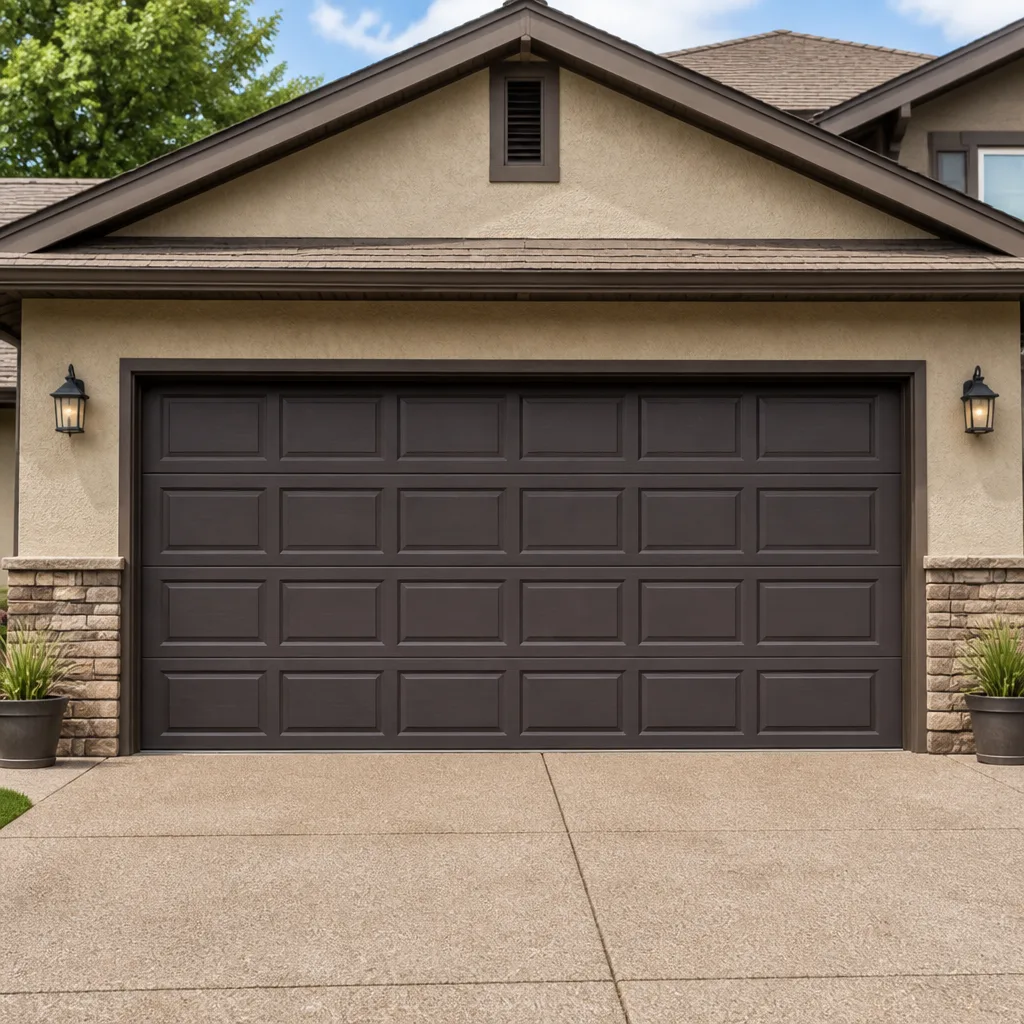 Raised-panel steel
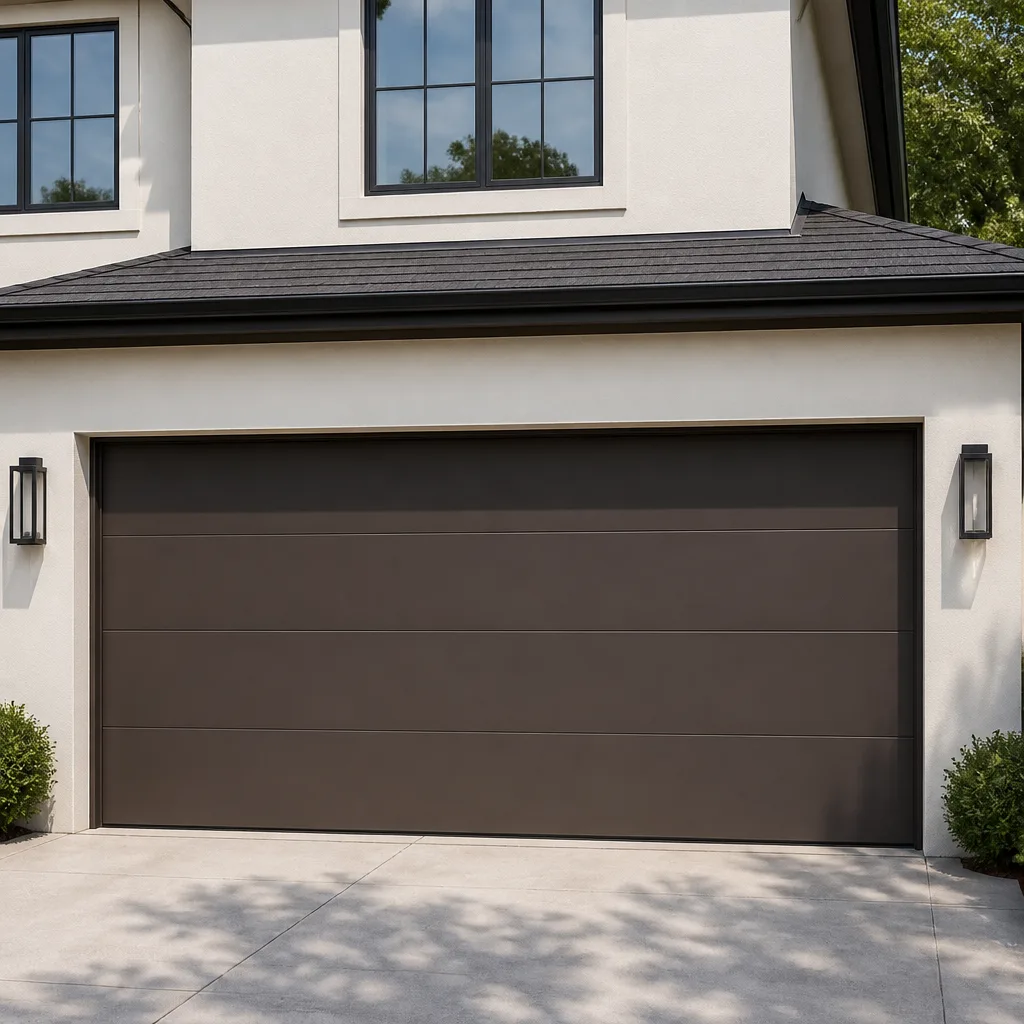 Modern flush
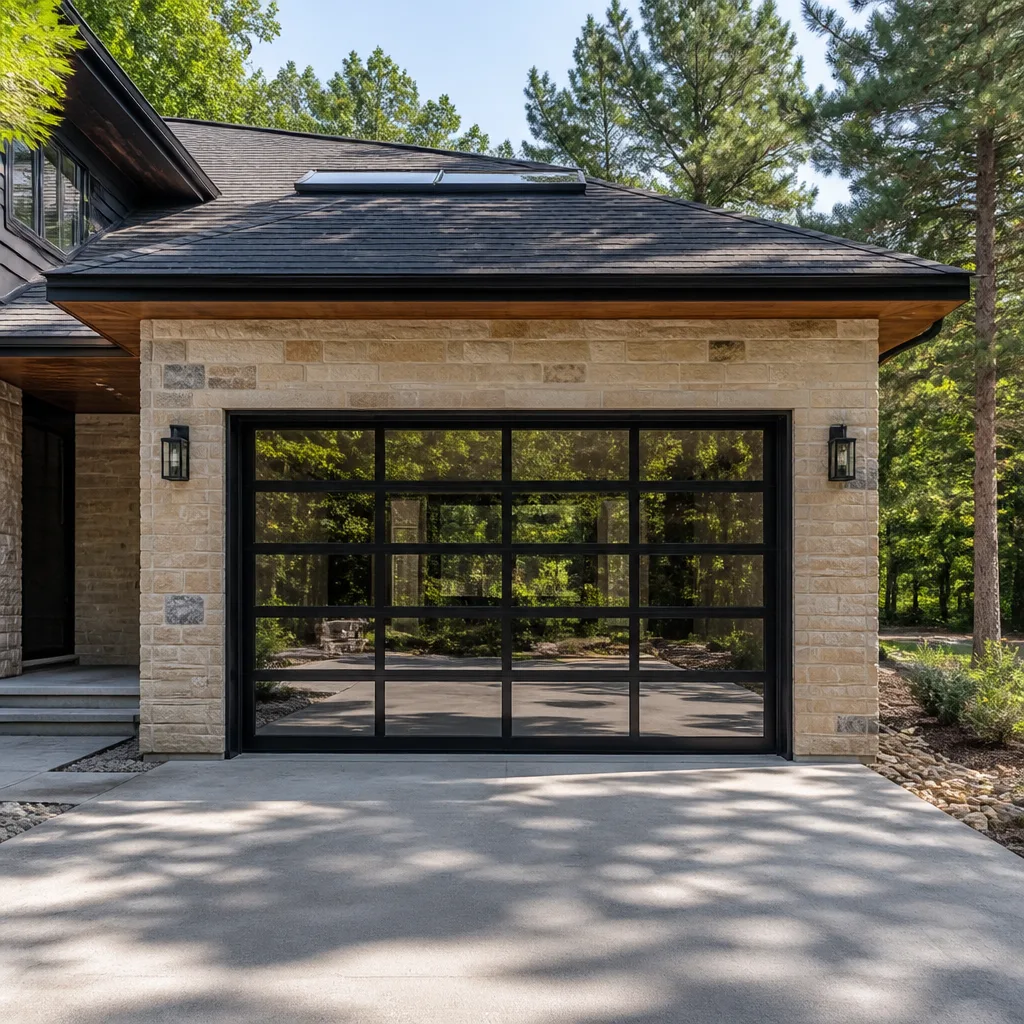 Full-view glass
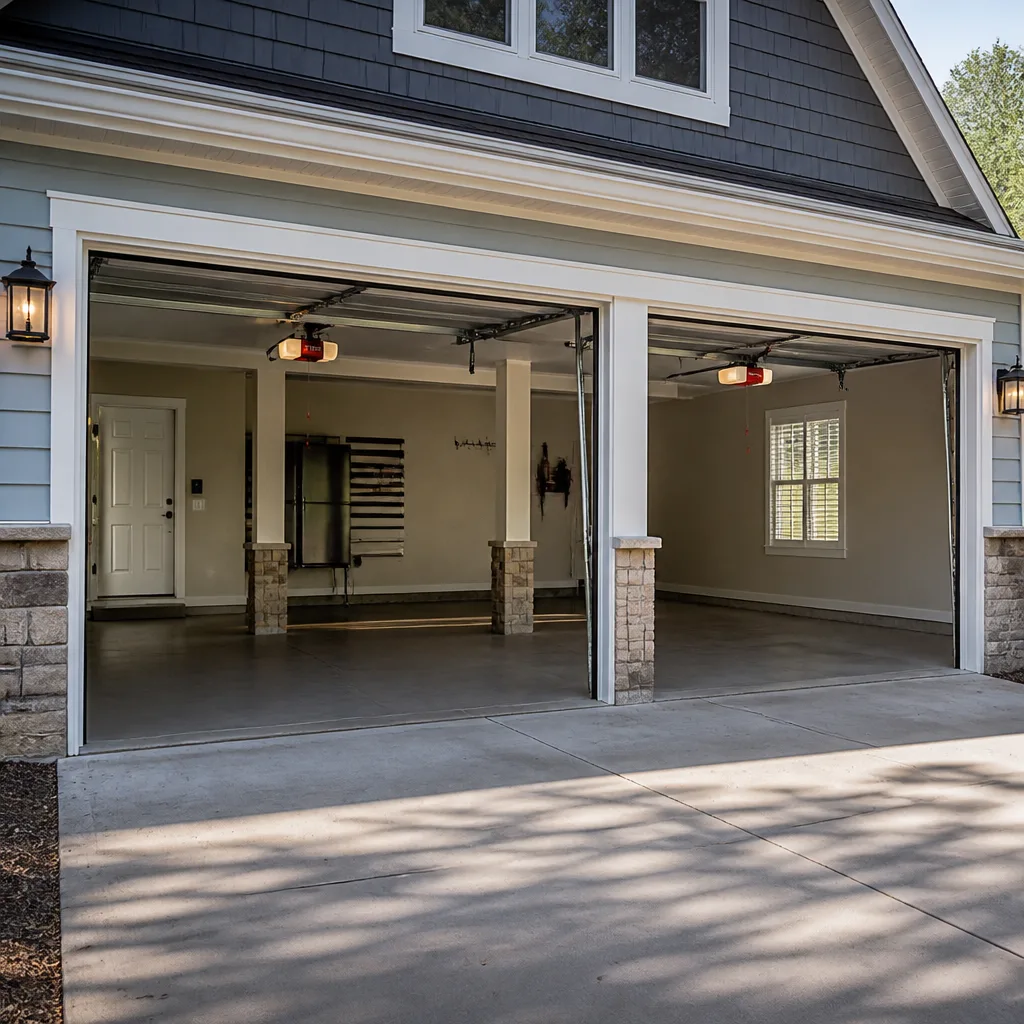 LiftMaster openers
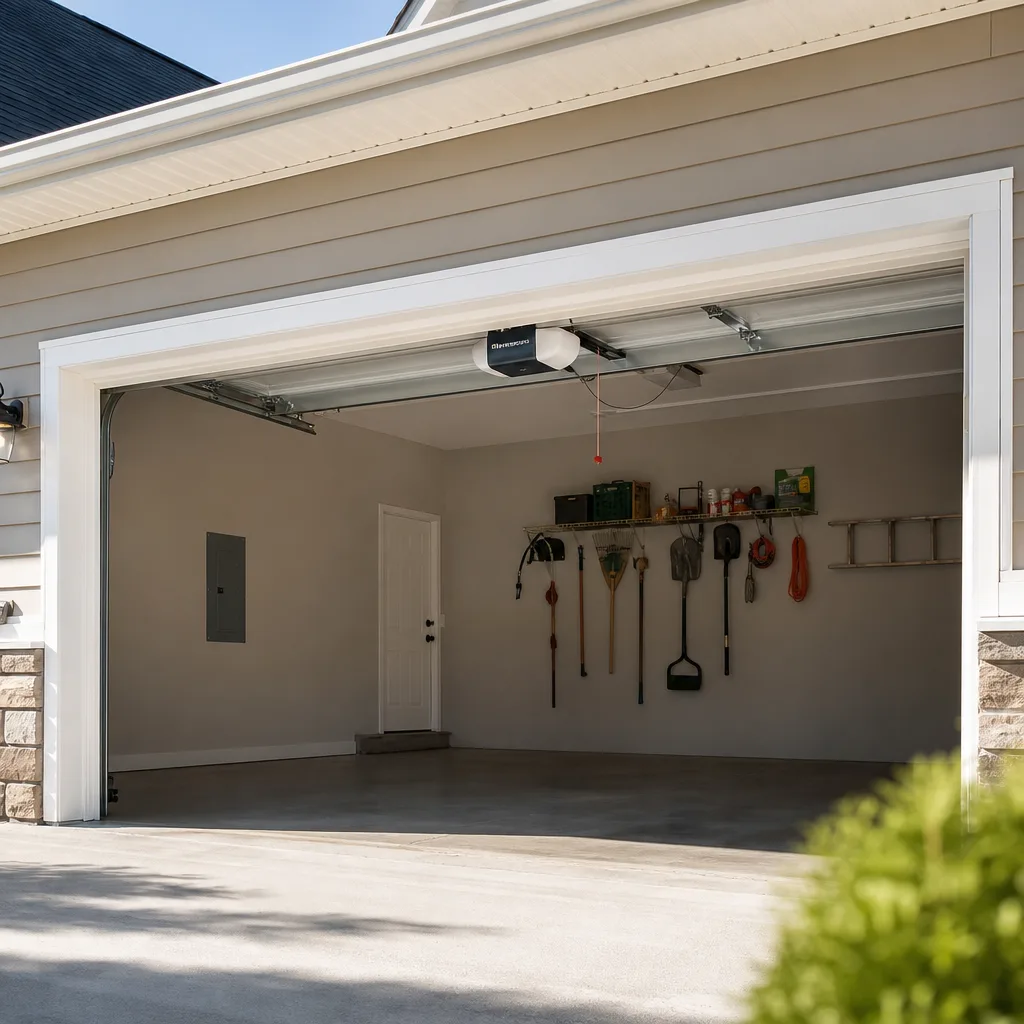 Chamberlain openers
Full 25-point door and opener safety check with every visit - springs, cables, rollers, tracks, and your LiftMaster or Chamberlain opener included
You get a price before we start. It does not change when the truck arrives.
Get your free estimateHow to Hire a Garage Door Contractor in Sacramento: A Step-by-Step Guide
Search “garage door repair Sacramento” and you’ll find companies with Sacramento area codes that are actually national dispatch centers. They take your call with a warm voice, mark up a local subcontractor’s rate by 40 percent, and you never speak to the same person twice. Worse, the technician who shows up has no stake in whether your door still works next spring. Knowing how to tell the difference between a dispatch center and a real Sacramento garage door contractor takes about four questions, and this guide-along with our Complete Guide to Garage Door in Sacramento-walks you through each one. By the time you finish reading, you’ll have a specific vetting sequence that filters out the market’s worst patterns before anyone sets foot in your driveway.
Quick Answer
Hiring a garage door contractor in Sacramento comes down to four questions: Who physically shows up at your house? Will the written quote be ready before any work starts? Can you verify their California contractor’s license in under two minutes? And what exactly does the warranty cover in writing? Ask those four questions, confirm the answers with the CSLB website, and you’ll have filtered out most of the one-person operations and national dispatch centers operating in the Sacramento market before you ever schedule an appointment.
Styles & brands we work with
Table of Contents
- The Four Questions to Ask Before Scheduling Anything
- How to Verify a California Contractor’s License in Under Two Minutes
- What a Legitimate Written Estimate Contains (And Why It Matters Legally)
- Red Flags Specific to Sacramento’s Garage Door Market
- What to Watch for When the Contractor Arrives
- Choosing the Right Door and Brand for Your Sacramento Home
- Questions to Ask During the Walkthrough
- Common Mistakes to Avoid
The Four Questions to Ask Before Scheduling Anything
You don’t need to become a garage door expert to hire well. You need a filtering system that catches the patterns bad operators rely on. These four questions do that work for you. Each one targets a specific failure point in how untrustworthy contractors operate, and the evasive answers are predictable once you know what to listen for.
Question 1: “Who physically shows up at my house?”
This sounds almost too simple to matter, but it’s the single most revealing question in the Sacramento garage door market. A local company sends its own technician, an employee with a name badge who knows you’ll be able to reach the same company tomorrow if something isn’t right. A national dispatch center sends whichever subcontractor answered their text, and that sub has no ongoing relationship with the phone number you called. When you ask this question and hear “one of our local technicians,” press once more: “Is that person an employee of the company I’m calling right now?” A direct yes is what you want. Anything vague, like “they’re fully vetted” or “we work with technicians all over Sacramento,” tells you what you need to know.
Question 2: “Will the written quote be ready before any work starts?”
This is where the urgency pricing pattern collapses. A contractor who intends to raise the price after the door is taken apart will resist putting anything on paper first. They’ll say things like “we need to see it first” or “the quote depends on what we find.” Both of those things are true of a legitimate inspection too, but the legitimate version sounds different: “We’ll inspect it, give you a written number, and you decide before we touch anything.” In Sacramento, where older homes in neighborhoods like Tahoe Park and Curtis Park have garage systems that have been rebuilt by multiple hands over decades, a technician legitimately can’t know the full scope until the door is open. That’s fine. The difference is whether the number comes in writing before the work, or as a surprise after the door is already in pieces.
Question 3: “Can I have your California contractor’s license number?”
A licensed contractor answers this in seconds because they carry the number with them everywhere. An unlicensed operator pauses, deflects, or gets defensive. You’re not being rude by asking. You’re doing exactly what the Contractors State License Board tells every California homeowner to do. More on how to verify this in the next section.
Question 4: “What does your warranty cover in writing?”
Every company will tell you they stand behind their work. Far fewer will hand you something with a name and a duration on it. Ask what the warranty is called, how long it lasts, and what it covers: parts, labor, both? If the answer is “we guarantee everything for a year,” ask where that’s written. A real warranty is a document, not a sentence spoken over the phone. Fernbrook’s version is the 365-Day Done Right Promise: if it’s not done right, we make it right. No negotiation required. It’s stamped on every job, and that specificity is what you’re listening for from any contractor you consider.
How to Verify a California Contractor’s License in Under Two Minutes
California requires a contractor’s license for garage door work in almost every case. The CSLB, the Contractors State License Board, maintains a free public database where you can look up a license number and see exactly what the holder is authorized to do. The lookup takes less than two minutes, and skipping it is how Sacramento homeowners end up hiring someone with no license at all.
Here’s the sequence:
- Go to the CSLB website and open the “Check a License” tool. It’s on the homepage.
- Enter the license number the contractor gave you. Or search by business name if you’re starting from an ad or a NextDoor recommendation.
- Look at the status. It should say “active.” If it says expired, suspended, or anything else, stop right there.
- Look at the classification. For garage door work, you want to see “C-61 / D-28” which is the Doors and Gates classification, or a general building classification that covers residential door installation.
- Check the business name on file against the name on the invoice you’ll be paying. If they’re different, ask why before you sign anything.
- Note whether there’s workers’ compensation insurance on file. This protects you if a technician is injured on your property.
In Sacramento specifically, a meaningful share of garage door ads on NextDoor and Facebook come from unlicensed handymen who are doing good work on some days and disappearing on others. The CSLB lookup is the difference between hiring a business with a public record and hiring a phone number with a ladder. Two minutes. Every time. No exceptions.
What a Legitimate Written Estimate Contains (And Why It Matters Legally)
A verbal range is a marketing conversation. A written estimate is a legal document, and in California, the distinction shapes what happens if the job goes wrong. Here’s what a legitimate written estimate for garage door work in Sacramento should contain and what each piece protects.
- Your name and property address. If a contractor won’t put your address on the estimate, ask yourself what else they don’t want recorded.
- The contractor’s license number. It should appear on the document itself, not just in conversation. This is a CSLB requirement for home improvement contracts.
- A line-by-line breakdown. Not “garage door repair: $450.” You want to see the parts separated from the labor. A spring replacement might list “torsion springs, one pair: $X” and “labor, spring replacement: $Y.” That granularity protects you from a blended number that hides excessive markup.
- The door or parts being installed. Brand, model, size, color, insulation rating if applicable. If the estimate says “new door” with no specs, you don’t yet have an estimate.
- Start and completion dates. In Sacramento, where summer heat can make a garage unusable as a workspace by mid-afternoon, knowing when the job starts and finishes matters more than in milder climates.
- Total price, clearly stated, with any variable costs explained. If the spring situation can’t be fully assessed until the door is opened, the estimate should say exactly what might change and by how much.
- The warranty terms. Not just “warranty included.” The actual duration and scope, in print.
Why this matters legally in California: under CSLB rules, a home improvement contract over $500 in combined labor and materials must be in writing. And if a dispute ends up in small claims or arbitration, the written estimate is your baseline evidence. A verbal range isn’t. If a contractor is willing to work on your Sacramento home without a written estimate, they’re signaling that they’re comfortable operating outside CSLB norms, and that’s not a signal you should reward.
Red Flags Specific to Sacramento’s Garage Door Market
Every city’s trade market has its own pathologies, and Sacramento’s garage door market has three that come up repeatedly in our calls and in the stories homeowners tell us after a bad experience with another provider.
Unlicensed operators advertising on NextDoor. A neighbor recommends “this great guy who does garage doors” and doesn’t mention that the guy has no license, no insurance, and no fixed business address. NextDoor can be genuinely useful for furniture and handrail painting. But garage door work involves high-tension springs that store enough energy to seriously injure a person, and the stakes are too high for an unlicensed gamble. Check the CSLB. Every time.
Bait-and-switch spring pricing. The quote is $99 for a spring replacement, which is far below what any legitimate Sacramento shop can charge and stay in business. Then the technician arrives and finds “additional issues” that push the real invoice to $400 or $500. The bait was a number designed to get you to say yes on the phone. The switch happens after the door is apart and you feel committed. The fix is simple: ask for the written price before work begins, and if the number on paper doesn’t match the number on the phone, call someone else. We tell Sacramento families this all the time: a real price doesn’t change between the phone call and the driveway.
“Same-day emergency” fees that evaporate when you say you’ll wait. Some operators quote a $150 emergency dispatch fee that drops to zero the moment you say “tomorrow morning is fine.” That’s not a service fee for complexity. That’s a fee for your anxiety. If a fee is real and service-based, it won’t disappear when the urgency does. In Sacramento, where genuine after-hours springs repair calls happen during the winter storm season, a legitimate emergency rate exists, but it’s stated plainly and doesn’t shift with your tone of voice. When you’re not sure, say you can wait until the next day and watch what happens to the number.
One more Sacramento-specific note: our market’s mix of older midtown bungalows, 1970s tract homes, and newer Natomas and Elk Grove construction means there’s no single “typical” garage system here. A contractor who quotes you a price before asking about your door’s age, brand, or configuration is quoting you a guess. That’s how you end up paying twice: once for the guess, once for the real diagnosis.
What to Watch for When the Contractor Arrives
You’ll learn more about a garage door contractor in the first five minutes of the visit than in an entire phone call. Their behavior on arrival predicts the rest of the job with surprising accuracy. Here’s a checklist of what signals a good job ahead versus one you’ll be cleaning up after, literally.
Shoe covers without being asked. A technician who walks into your garage and then toward your kitchen door without shoe covers is showing you how the whole job will go. A technician who pauses at the threshold and asks where they can walk, or already has shoe covers on, is demonstrating the baseline for their work. It costs seconds. It tells you everything. This is one of the first things we train our technicians to do in Sacramento homes where the garage leads directly into kitchens, laundry rooms, and living spaces.
Drop cloths where the work happens. Garage door repair involves lubricants, tools, and occasionally dropped parts. A technician who protects your floor is thinking about the mess before the mess happens. One who doesn’t protect the floor is telling you they’ll clean up later, or not at all. Ask before they start: “Will you be putting anything down to protect the floor?” Watch how they respond. Defensiveness here is a flag.
A walkthrough before any work. A good contractor walks the whole door with you before touching anything: they look at the tracks, the springs, the opener, the seals, and they explain what they see. You should understand the situation in plain language before a single tool comes out. If a technician starts disassembling without a walkthrough, stop them and ask for the explanation you should have already gotten.
Photo of the clean-up. At Fernbrook, our Cedarwell Care Promise includes a photo of the clean-up before the technician leaves. Shoe covers, drop cloths, quiet tools, pet-safe products where there’s a choice, and then a photo showing the space left the way it was found. Not every company does this, but the broader signal is what matters: does the contractor act like your home’s condition is part of the job? The family who asks for this is not being difficult. They’re describing the minimum standard for work done inside a home.
Choosing the Right Door and Brand for Your Sacramento Home
If the job involves replacing a door rather than repairing one, Sacramento homeowners face a specific set of choices shaped by our climate; see our Seasonal Garage Door Care for Sacramento: Year-Round Homeowner’s Guide for how these factors shift through the year. Sacramento’s summer heat is not cosmetic weather. It’s a thermal load that your garage door absorbs all afternoon, and the wrong door choice means a garage that’s forty degrees hotter than it needs to be, which raises the temperature of adjacent rooms and works your cooling system harder.
The key specification is insulation value, expressed as an R-value. For Sacramento, where July highs routinely cross 100 degrees, an insulated steel door with an R-value of 12 or higher is the baseline we recommend for attached garages. Uninsulated doors are cheaper up front and effectively transfer outdoor heat through your garage ceiling into your living space. The difference in your July energy bill over five years can pay for the better door.
On brands: three of the most common names in Sacramento garages are Raynor, LiftMaster, and Chamberlain. Raynor is known for steel doors with a wide insulation range and a reputation for holding up in high-heat climates. LiftMaster is the opener brand we see most often in mid-range and premium Sacramento homes, and their belt-drive models run noticeably quieter than chain drives, which matters when the baby’s room is above the garage. Chamberlain makes solid chain and belt drive openers at a lower price point, and their basic models work fine for detached garages where noise matters less. The smart move is to buy the door and the opener together so they’re matched, rather than pairing a high-end door with a bargain opener or vice versa.
If you’re not sure where to start, our Garage Door Installation in Sacramento page covers the process from measurement to final walkthrough, with brand-specific notes for local conditions.
Questions to Ask During the Walkthrough
Once a technician is standing in your garage and you’ve decided they’ve passed the arrival checklist, here’s the numbered sequence we suggest walking through. These questions force the conversation into specifics, and specifics are what protect you.
- “What exactly needs to be fixed, and is there anything that can wait?” This reveals whether the contractor is scoping the full door system or just the loudest problem. A good technician will tell you the difference.
- “What parts will you use, and what brand are they?” For springs, off-brand parts fail sooner. For openers, the brand affects noise, warranty, and parts availability. You want names.
- “Will you be using anything that could be harmful to pets or kids?” Most garage door lubricants are safe once dry, but some solvents aren’t. This question tells you whether the technician thinks about your household as a living space. It also signals whether they’ll ask before moving a dog crate, which is one of the C.A.R.E. values we train on: Ask before we move or touch anything.
- “When will the noise happen, and how loud will it be?” If you’ve got a napping toddler, the answer matters. Torsion spring replacement is not quiet work. But it can be scheduled around quiet hours, and a respectful technician factors that in.
- “Can you walk me through the written quote line by line?” This is the final test. A transparent contractor welcomes this and explains every line. A reluctant one is hiding something in the mix.
- “What’s your clean-up plan before you leave?” If the answer is “we’ll sweep up,” ask whether you’ll see a photo of the finished space. If the answer is vague, you’ve learned what you need.
Common Mistakes to Avoid
- Hiring from a flyer without checking the CSLB. Sacramento neighborhoods see a steady rotation of flyers and door hangers advertising garage door repair. Some are legitimate local businesses. Some are neither local nor licensed. The CSLB lookup takes two minutes and eliminates the worst outcomes.
- Accepting a phone quote as final. A phone number is a starting point for a conversation, not a legal commitment. Insist on the written estimate before work begins. If the contractor won’t put it on paper, you haven’t received a quote yet.
- Replacing a spring yourself after watching a video. Torsion springs in Sacramento’s residential doors are under enough tension to break bones or worse. This is not a DIY task. Hire a licensed professional and watch them work from a safe distance. The danger is real and the savings aren’t worth the risk.
- Choosing the cheapest door without accounting for heat. An uninsulated door in a Sacramento summer turns your garage into an oven. The cheapest option isn’t cheap once your air conditioner works against it for a decade.
- Skipping the walkthrough. When you let a technician start work without a full walkthrough and written estimate, you’ve given up your main leverage. The walkthrough is the moment of clarity. Don’t skip it because the technician seems busy.
- Paying in full before the work is done. A reasonable deposit is normal for a large installation. Full payment before you’ve seen the finished work is not. Hold something back until you’re looking at the installed door and your clean floor.
- Ignoring the arrival signals. Shoe covers, drop cloths, a photo of the clean-up: these are not extras. They’re your early-warning system for how the rest of the job goes. A technician who tracks dirt through your kitchen on arrival will not become careful by the afternoon.
See the difference
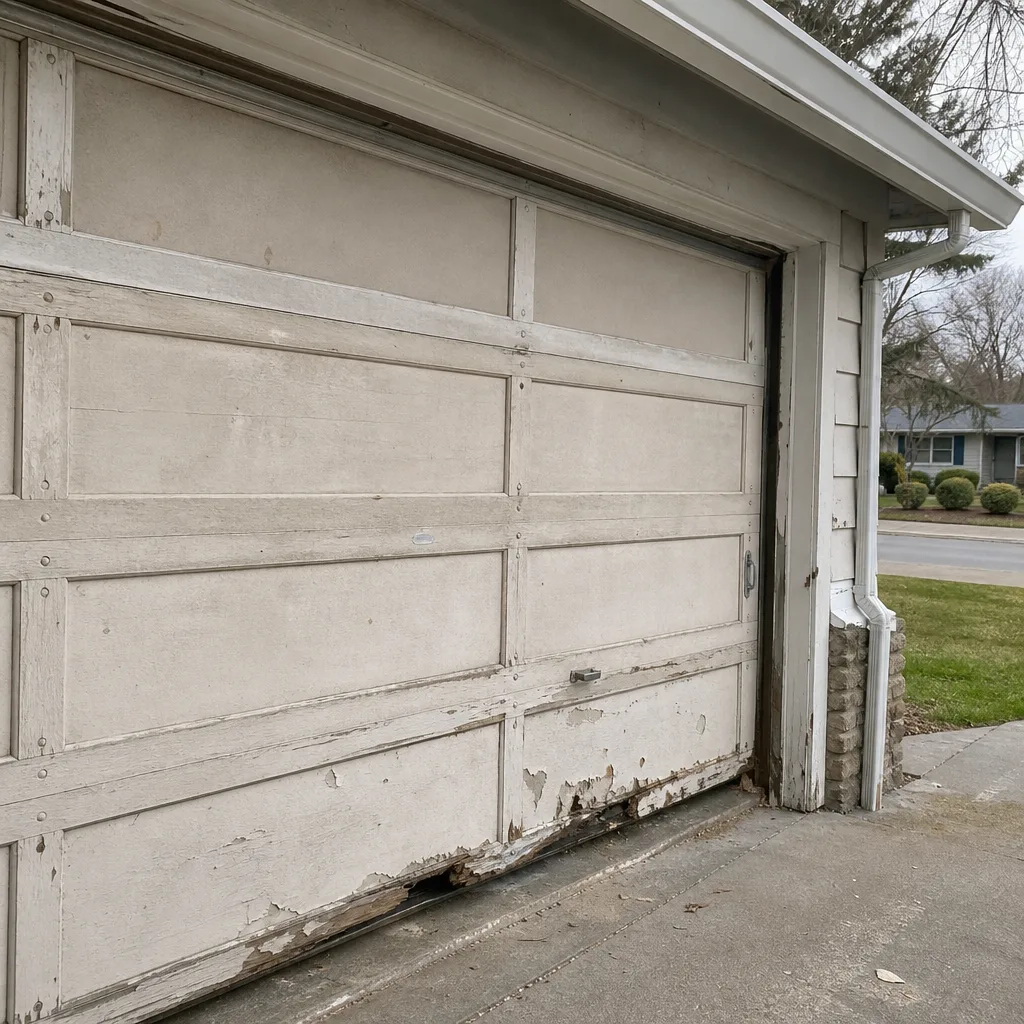 Before
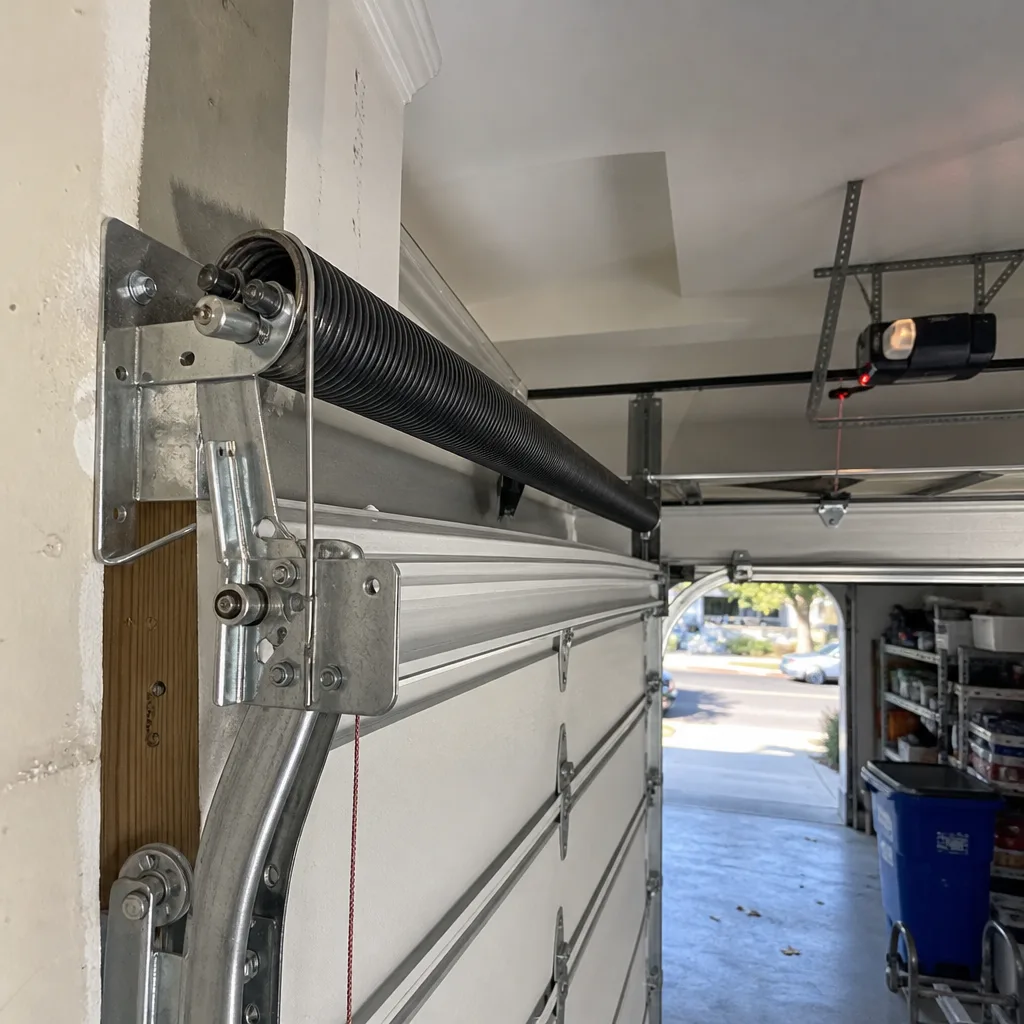 After
After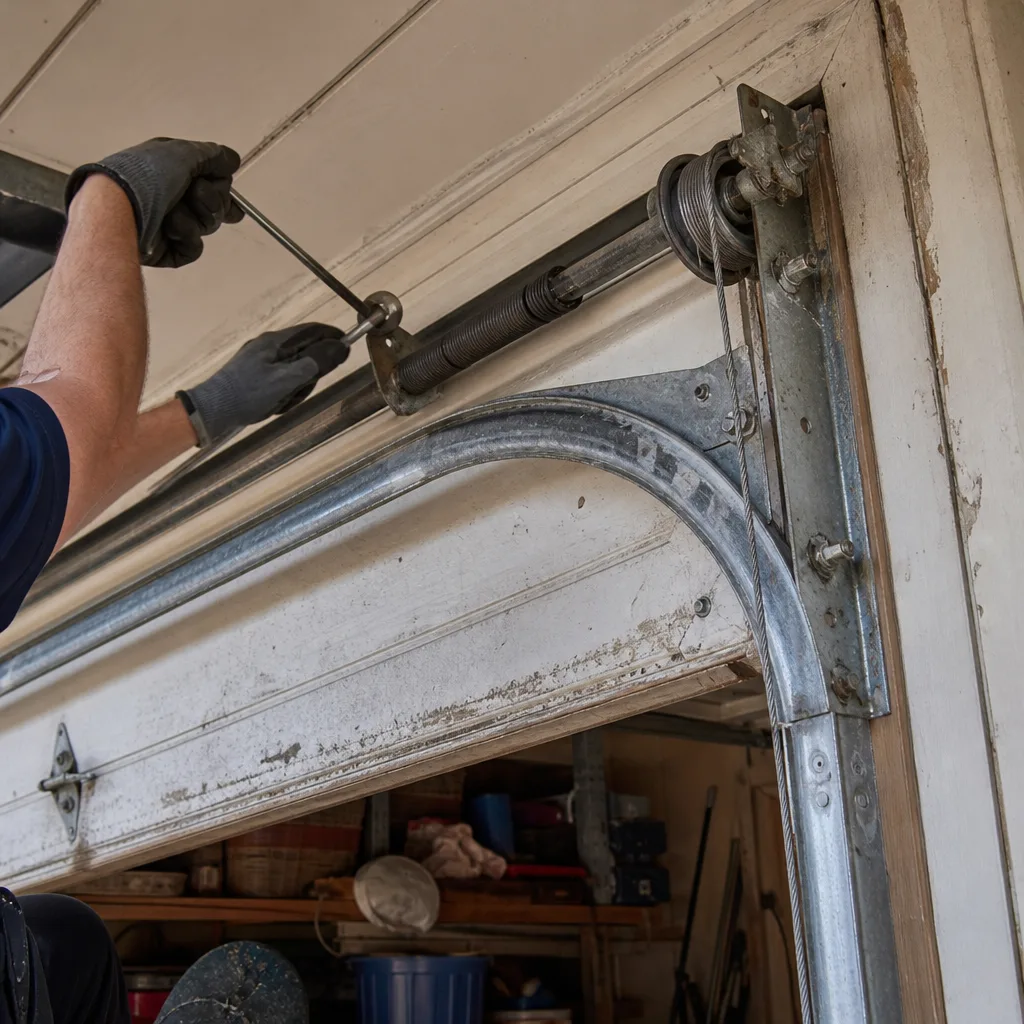 Before
 After
AfterWhen to Call a Professional
Some garage door situations are maintenance tasks you can handle with a can of lubricant and a visual check. Many are not. Call a professional when you hear grinding or popping sounds during operation, when the door opens unevenly or sags on one side, when the opener runs but the door doesn’t move, or when you can see visible wear or a gap in the springs. Also call if the door slams down faster than it should, which points to failing springs or a tension problem that needs immediate attention. None of these are conditions that improve with waiting or resolve themselves. Fernbrook Garage Doors Sacramento offers free estimates across Sacramento, including a written price before any work begins. Call (279) 236-2640 to schedule a visit.
Frequently Asked Questions
Most garage door repairs in Sacramento fall between $150 and $450 depending on the part and the scope. Spring replacements typically run $180 to $350 including parts and labor. Opener repairs run $150 to $350. Full door replacements start around $900 for a basic single door and go up with size, insulation, and brand. The only way to know your exact price is a written estimate from a licensed contractor, and that estimate should be in your hands before any work starts.
Yes, many Sacramento garage door contractors offer same-day service for repairs, including spring failures that leave a car trapped in the garage. Fernbrook answers calls with a live person 24 hours a day, 7 days a week, and same-day appointments are common for repairs. For installations and door replacements, the work requires measurement and ordering, so we schedule those for a specific date rather than same day. Call (279) 236-2640 and we’ll tell you exactly when we can be there.
It shouldn’t, if the contractor is being straight with you from the start. A legitimate contractor inspects first, gives you a written price, and only starts work after you approve the number in writing. Additional findings during the job should be presented as written addendums before anyone continues. If a contractor quotes one number on the phone and another after the door is apart, that’s not discovery. That’s a pattern, and Sacramento homeowners should treat it as a red flag.
In most cases, replacing a garage door in a residential Sacramento home does not require a permit, provided the opening size and configuration stay the same. Structural changes to the opening, or changes that affect the building’s exterior dimensions, may require review by the city or county. Check with Sacramento’s building department if you’re uncertain, and ask your contractor to confirm they’ve handled any required permits before starting the job.
No. A broken spring means the door’s balance has failed, and the opener is now fighting the full weight of the door. Continued use strains the opener, risks further damage, and in the worst case causes the door to drop suddenly. If you have a broken spring, disengage the opener and leave the door closed if possible. Then call a professional. This is one of the most common repairs we handle in Sacramento, and the Garage Door Spring Repair in Sacramento page explains exactly what happens during the repair and what it costs.
Most licensed contractors in Sacramento work across multiple brands since homes here contain everything from 1970s builder-grade doors to modern LiftMaster openers. Fernbrook technicians are trained on eight major brands, including LiftMaster, Chamberlain, Genie, Clopay, Amarr, Wayne Dalton, Craftsman, and Raynor. If you have a less common brand, a phone call tells you quickly whether the contractor can work on it. Call (279) 236-2640 and we’ll confirm before we send anyone out.
The Bottom Line
Hiring a garage door contractor in Sacramento is a screening exercise more than a shopping exercise. Ask the four questions before scheduling, verify the license on the CSLB website in two minutes, insist on a written estimate before work begins, and pay attention to the first five minutes of the visit. The contractor who wears shoe covers without being asked, walks you through the job before touching anything, and gives you a written price without being asked again is the contractor who’ll leave your house the way they found it. Sacramento’s market has enough good local businesses that you never have to accept less. Fernbrook Garage Doors Sacramento home page has more on how we work, and our Garage Door Repair in Sacramento page covers the most common repairs with transparent pricing. If you need a repair or just want an honest look at your door, call (279) 236-2640 for a free estimate, written before any work starts.
Written by Jesse Calder, Owner at Fernbrook Garage Doors Sacramento, serving Sacramento since 2002. Explore more guides & resources from our team.