
Last updated October 17, 2026
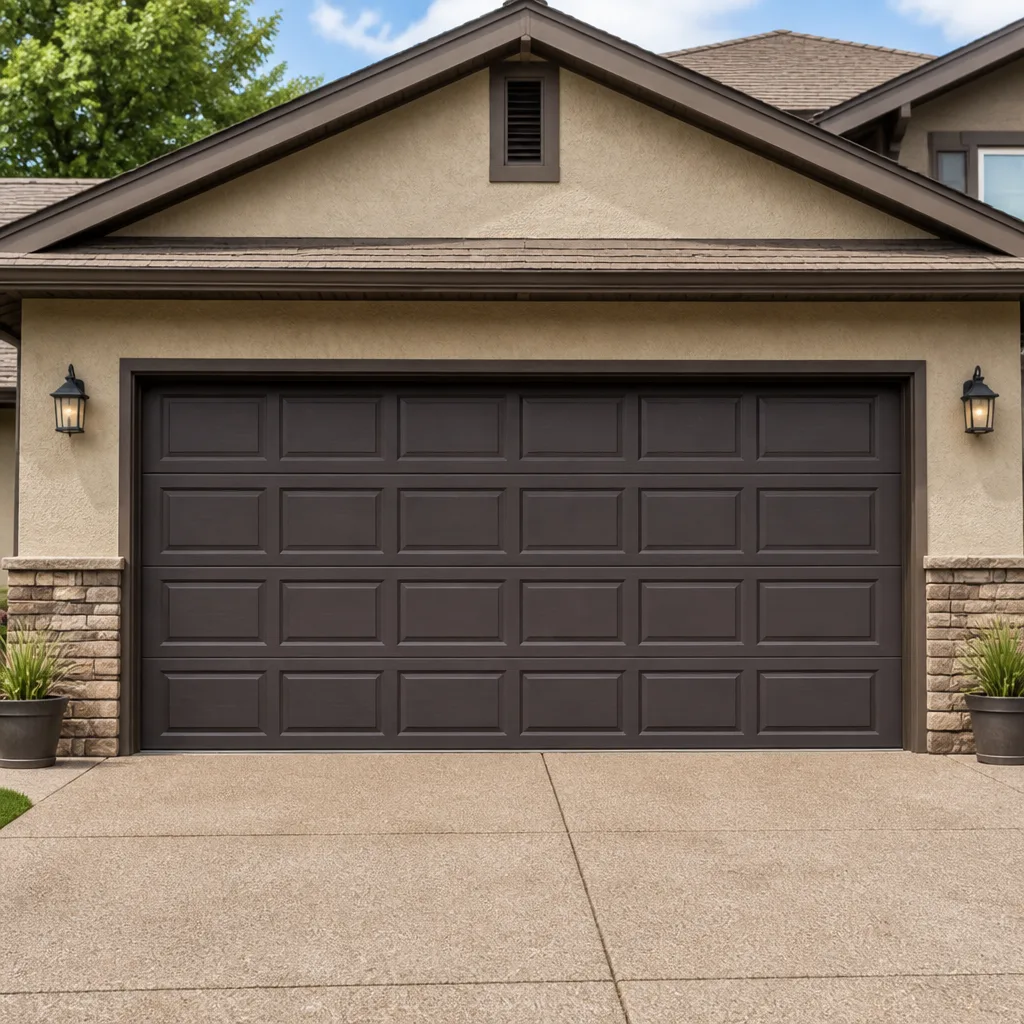 Raised-panel steel
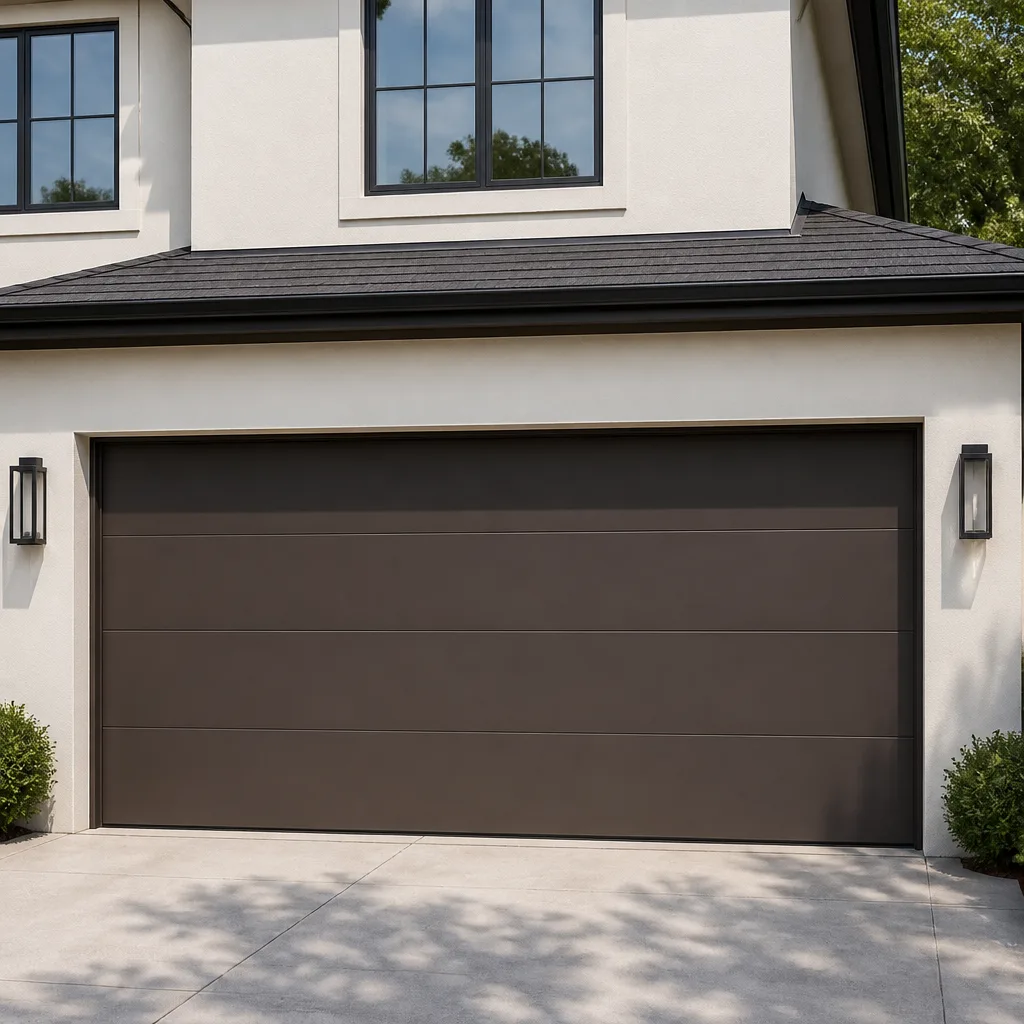 Modern flush
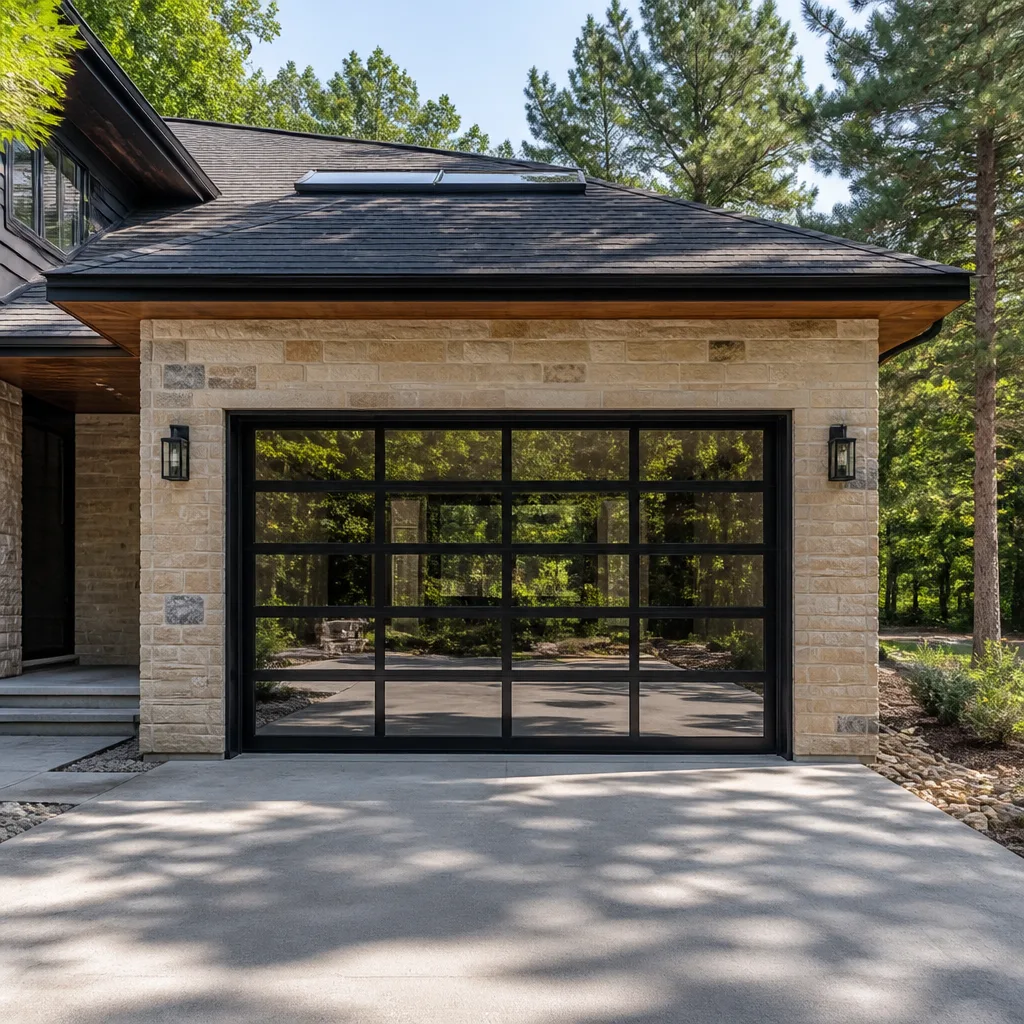 Full-view glass
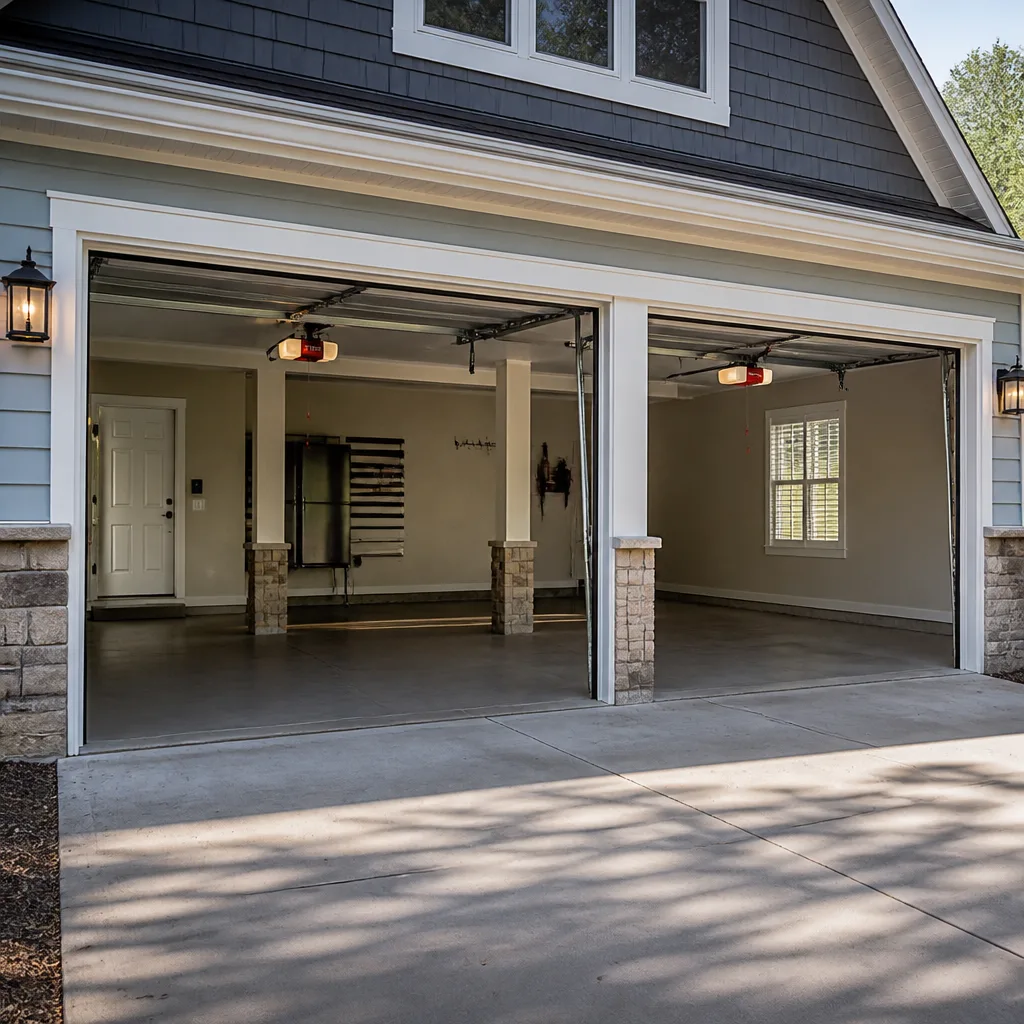 LiftMaster openers
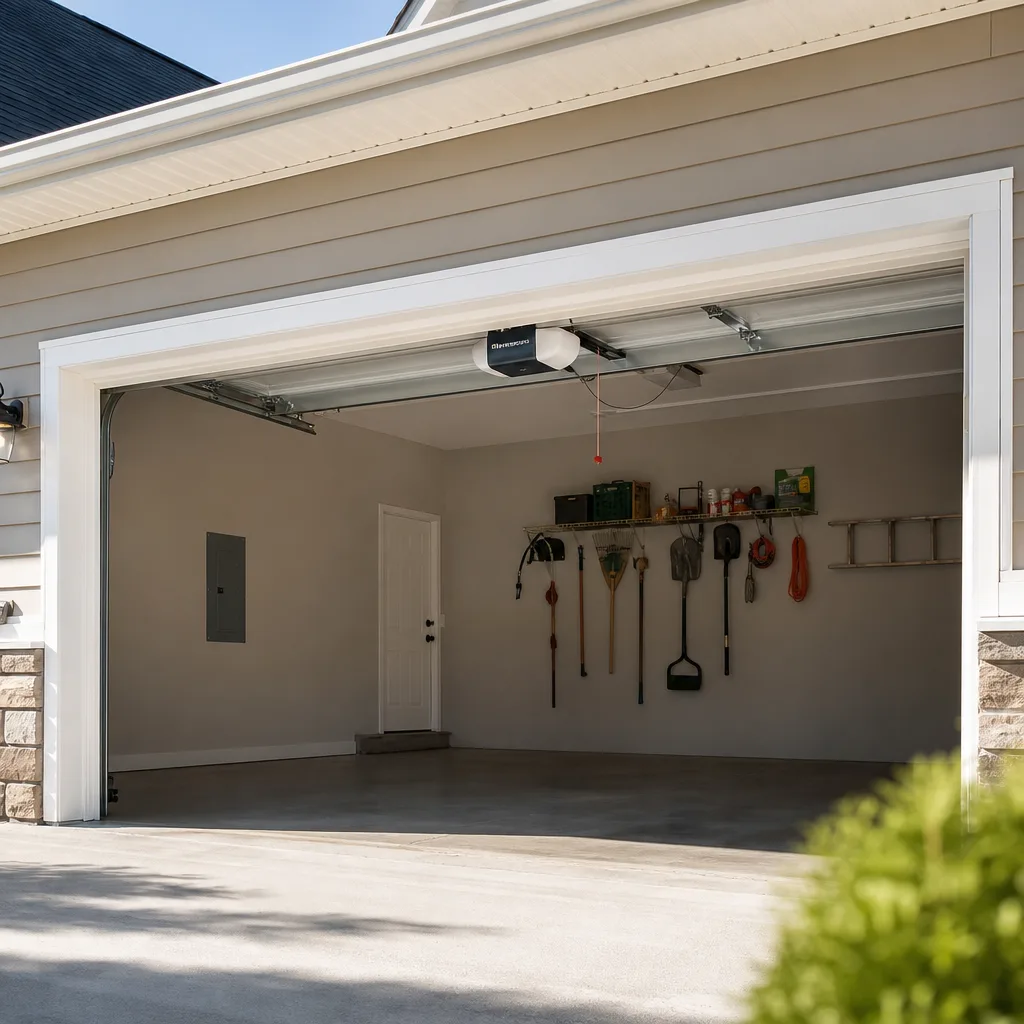 Chamberlain openers
Full 25-point door and opener safety check with every visit - springs, cables, rollers, tracks, and your LiftMaster or Chamberlain opener included
You get a price before we start. It does not change when the truck arrives.
Get your free estimateSeasonal Garage Door Care for Sacramento: Year-Round Homeowner’s Guide
Sacramento averages 73 days above 90°F every year. On those days, a dark steel garage door surface can reach 160°F. That is hot enough to break down cheap lubricants, delaminate painted panels, and slowly cook the nylon rollers your door rides on. Summer here is not just uncomfortable. It is the season that shortens your door’s lifespan fastest, and it is followed by tule fog that corrodes hardware and a dry season that cracks weatherstripping. This guide walks through what to do about each of those seasons, month by month, so you can keep your garage door working without paying for repairs that never needed to happen. We have spent years watching Sacramento doors fail in predictable patterns, and this is what we have learned.
Styles & brands we work with
Quick Answer
Seasonal garage door care in Sacramento comes down to four moves: lubricate moving parts with a heat-stable lubricant before summer arrives, check and replace weatherstripping before the dry season cracks it, inspect hardware for tule fog corrosion between November and February, and tighten and realign everything each fall before the temperature drops and metal contracts. A homeowner who spends about 20 minutes every two months on these checks will prevent most of the door failures we get called for in this city.
Table of Contents
- Sacramento’s Month-by-Month Garage Door Calendar
- Summer Heat: What 160°F Does to Your Door
- Lubrication in Sacramento’s Temperature Range
- Weatherstripping Before the Dry Season
- Tule Fog Corrosion: Hardware Checks From November Through February
- Opener Care After a Sacramento Summer
- The 20-Minute Fall Walkthrough
- Common Mistakes to Avoid
- When to Call a Professional
- Frequently Asked Questions
- The Bottom Line
Sacramento’s Month-by-Month Garage Door Calendar
Most garage door maintenance guides divide the year into four seasons. That works fine in places with real winters. Sacramento does not have four seasons in the traditional sense. It has a wet fog season, a brief pleasant spring, a long punishing summer, and a dry windy fall. The maintenance tasks that matter here follow that rhythm, not the calendar pages. Here is what to do and when to do it.
January to February: Tule Fog Hardware Checks
Tule fog settles into the Central Valley in these months. It is not just a visibility problem for drivers. It is a slow, persistent source of moisture that sits on metal surfaces for hours at a time, day after day. Hinges, rollers, springs, and bolts all pick up a fine layer of condensation that evaporates and repeats. Over several weeks, that cycle starts surface rust on unprotected hardware. The fix is simple and takes about ten minutes: open the door fully, run a clean rag along each hinge and roller stem, and look for any reddish orange dust. If you see it, wipe it off and apply a thin coat of white lithium grease to the hinge points. Do not use penetrating oil as a preventive measure. It evaporates too fast to protect anything.
March to April: Spring Tightening and Realignment
After the fog season ends, the temperature starts swinging between cool mornings and warm afternoons. Those swings cause the metal track brackets, bolts, and screws to expand and contract slightly. Over a couple of weeks, that can loosen hardware that was perfectly tight in December. In April, grab a socket set and check every bolt you can reach: the track brackets, the hinge plates, the opener mounting points. If anything moves under hand pressure, snug it down. This is also the right time to run the door manually, watch it travel, and confirm it is not pulling to one side. A door that binds slightly in April will wear out a roller or a hinge by August.
May: Pre-Heat Lubrication
This is the most important single maintenance task of the year in Sacramento. By late May, the first stretch of 90°F-plus days is usually a week or two away. Lubricating before that heat arrives is the difference between smooth operation all summer and a door that groans, sticks, and eventually wears out a spring or roller. We cover exactly what to use and how below, but the timing matters more than most people realize. If you wait until July, you are lubricating a door that has already spent a month running on hot, degraded lubricant.
June to August: Peak Heat Monitoring
During the hottest months, your job is mostly observation. Listen for new noises when the door opens and closes. A squeak that was not there in May means a roller or hinge has gone dry. Watch the door’s travel speed. A door that slows down noticeably in August may have an opener motor that is laboring against heat-stiffened parts. Check the bottom seal for cracks every few weeks. This is also when we see the most panel warping on west- and south-facing doors that get direct afternoon sun. If a panel starts to look wavy or bulged, it will not fix itself.
September to October: Dry Season Weatherstripping Replacement
Sacramento’s dry season runs from roughly May through October, but the damage becomes visible in September. The bottom seal and side weatherstripping lose their flexibility after months of UV exposure and near-zero humidity. This is the window to replace anything cracked, brittle, or flattened. A bottom seal that does not compress against the floor lets dust, leaves, and hot air into the garage all summer, and then lets cold air and fog moisture in during the winter. We walk through the replacement process step by step in the weatherstripping section below.
November to December: Pre-Winter Contraction Check
Before the cold settles in, do the fall walkthrough described later in this guide. The short version: tighten everything, balance-test the door, clean the photo-eye lenses, and confirm the auto-reverse function works. Cold air makes metal contract, and a door that was marginally balanced in October can bind in December. Most of the winter emergency calls we get are for failures that were detectable in November with ten minutes of attention.
This is the calendar we follow for our own homes and recommend to customers throughout the Sacramento area. The full details for each season are below. For a broader look at what professional maintenance covers, see our Garage Door Repair in Sacramento page.
Summer Heat: What 160°F Does to Your Door
A dark-colored steel garage door in direct Sacramento afternoon sun can reach 160°F on the surface, even when the air temperature is only 95°F. That heat does not stay on the surface. It conducts through the steel into every metal component, radiating into the garage and baking the door’s moving parts from both sides. Homeowners in cooler climates do not think about garage door heat because it never happens to them. In Sacramento, it is the primary driver of premature door failure, and most of the damage is invisible until something breaks.
What the Heat Does
Heat affects garage doors in four specific ways. First, it degrades lubricants. Most standard garage door lubricants are petroleum-based and start thinning or gumming at sustained temperatures above 120°F. A door that runs smoothly in May can be grinding on near-dry rollers by July because the lubricant has cooked off. Second, the heat accelerates roller wear. Nylon rollers are standard on most modern doors because they are quieter than steel, but nylon gets brittle with repeated heat exposure. A roller that overheats every afternoon for three consecutive summers will eventually crack. Third, the panels themselves flex. Steel expands when heated, and a panel that fits its track perfectly at 70°F is slightly larger at 150°F. Over years of expansion and contraction, panel surfaces can warp or delaminate, particularly on doors with a woodgrain finish. Fourth, the opener motor works harder. The motor in a typical LiftMaster or Chamberlain opener operates inside a garage that can reach 110°F on summer afternoons, pushing against a door whose parts are all slightly expanded. Motors dissipate heat through their housing, and when the ambient air is already hot, that cooling is less effective. This shortens opener lifespan and contributes to the logic board failures we see most often in August and September.
Which Doors Are Most at Risk
- Dark-colored steel doors facing west or south. These absorb the most direct solar radiation and reach the highest surface temperatures.
- Non-insulated doors. Without an insulation layer, heat transfers through the panel directly into the garage and the door’s internal hardware.
- Doors with original nylon rollers older than five years. The nylon has already been through multiple Sacramento summers and is losing flexibility.
- Openers mounted in uninsulated garages. The motor and logic board live in the hottest part of the garage during the afternoon.
- Doors with vinyl or rubber weatherstripping that has never been replaced. UV light degrades these materials, and heat exposure accelerates the process.
What Actually Helps
You cannot change where your door faces or what color it is without replacing it. What you can do is reduce the damage heat causes. Lubricate in May with a heat-stable product before the first heat wave. Check rollers in June and replace any that show visible cracks, flat spots, or wobble. Keep the garage ventilated if possible, even just by opening the side door for ten minutes in the evening. And if your garage faces west and you are planning a door replacement, consider one of the Clopay insulated models with a thermal break. The difference in interior garage temperature between an insulated and non-insulated door in Sacramento in July is often 15 to 20 degrees. If you are in the market for a new door, our Garage Door Installation in Sacramento page explains what we install and why insulation matters in this climate.
Lubrication in Sacramento’s Temperature Range
Sacramento’s summer puts garage door lubricants through a test that most products fail. The temperature inside the garage on a 100°F afternoon can exceed 110°F, and the door surface itself gets much hotter. Generic “garage door lubricant” sprays bought at a big-box store are usually fine in coastal climates where highs stay in the 70s. In Sacramento, many of them break down within weeks. Here is what we have learned about what actually works in this heat.
The Products That Hold Up
For hinges, rollers, and tracks, use a white lithium grease in a spray or tube. White lithium stays in place at high temperatures and does not run off the way lighter oils do. Apply it to the hinge pins, the roller stems, and the bearing points where the roller meets the shaft. Do not spray it into the track itself. The track needs to stay clean and dry so the rollers grip it properly. For springs, use a silicone-based spring lubricant, not a penetrating oil. Penetrating oils like WD-40 are designed to break down rust and then evaporate, which means they leave the spring dry and unprotected within days. A silicone spray made specifically for garage door springs coats the coil surface and resists heat degradation better than petroleum-based alternatives.
What to Avoid Above 120°F
Two categories of lubricants cause problems in Sacramento specifically. Generic multi-purpose lubricants that are mostly solvent break down quickly because the solvent evaporates in the heat and leaves nothing behind. And heavy greases that are not rated for high temperatures get sticky and gummy on hot metal, attracting dust and eventually becoming abrasive rather than protective. If the product label does not state a temperature range, assume it is not built for Sacramento summers. The silicone sprays designed for door springs are the exception; look for a product that specifically says it is for garage door springs rather than a general-purpose silicone spray, which is often too thin.
How to Lubricate Correctly
- Close the door. This releases tension on most moving parts and makes them accessible.
- Wipe each component clean first. Use a dry rag to remove old lubricant, dust, and grime. Adding fresh lubricant on top of dirty residue just creates a paste.
- Apply to hinge pins. One short spray or dab at each hinge pivot point, on both sides of each hinge. Work from the bottom hinge up.
- Apply to roller stems. The stem is the metal shaft between the wheel and the bracket. Do not spray the wheel itself, which can cause slipping on the track.
- Apply to the spring. Spray along the full length of both torsion springs and the full length of extension springs if your door has them. You want a thin, even coat, not a dripping layer.
- Run the door through three full cycles. Open and close it completely three times to work the lubricant into the moving surfaces.
- Wipe away excess. Any lubricant that drips or pools is going to collect dust. A clean rag takes care of it.
Do this twice a year in Sacramento: once in May before the heat and once in October as the weather cools. The fall application protects against tule fog moisture rather than heat, but the process is the same.
Weatherstripping Before the Dry Season
Sacramento’s dry season is not a subtle shift. From May through October, the average monthly rainfall is under half an inch, and the air spends months below 30 percent relative humidity. That is hard on rubber. The bottom seal on your garage door, which is made from rubber or vinyl, slowly loses its plasticizers in that environment. By September, it is brittle, cracked, and no longer sealing against the concrete. A homeowner in Sacramento can detect the problem just by looking at the seal in late summer. If it is gray, cracked, or no longer compresses when the door closes, it needs replacement before the wet season starts. Waiting until November means fog moisture and rain get into the garage through the gap under the door, and the seal is harder to install properly when the rubber is cold and stiff.
Why the Bottom Seal Matters More Here Than Elsewhere
In a humid climate, a cracked bottom seal is mostly an energy efficiency problem. In Sacramento, it is a dust problem first. The dry season kicks up fine dust that settles on everything. A door with a compromised bottom seal lets that dust into the garage all summer, covering stored items, coating the tracks, and eventually working into the rollers and hinges where it acts as a grinding compound. The same gap that lets dust in during August lets fog moisture in during January. That moisture settles on tools, bikes, and the door hardware itself, starting the rust cycle that the tule fog section covers.
Replacing the Bottom Seal Step by Step
- Measure the old seal. Pull a small section away from the door bottom and check the width and the channel type. Most Sacramento residential doors use a T-channel or a U-channel design. The replacement must match or it will not stay seated.
- Buy the right replacement. Bottom seals are sold by the foot at most hardware stores, or you can order a door-specific seal from the manufacturer. Clopay and Amarr doors often use proprietary channel shapes, so if in doubt, take a photo of the old seal’s cross-section and bring it with you.
- Remove the old seal. Open the door to waist height so the bottom is accessible. Grab one end of the old seal with pliers and pull it out of the channel along the full width of the door. It may resist if it has been in for years. Work slowly and pull straight, not at an angle.
- Clean the channel. Wipe the entire channel with a dry rag to remove dust and rubber fragments. If there is significant build-up, a small brush helps.
- Install the new seal. Feed one end into the channel and work it across. Most seals slide in by hand. If the channel is snug, a small amount of dish soap on the seal’s spine acts as a lubricant and dries away.
- Cut to length. Leave the seal slightly long and trim to fit with a utility knife. If the door has a slight slope at the ends, angle the cut so the seal meets the concrete evenly.
- Close the door and check. The seal should compress evenly against the floor across the full width with no visible daylight underneath.
This job takes about 30 minutes the first time and about 15 minutes once you have done it. If the seal is stuck, torn, or the channel itself is damaged, a professional replacement is straightforward. For homeowners in Sacramento who do not want to wrestle with a ten-year-old seal, we handle this as part of routine maintenance, and our Garage Door Repair in Sacramento service covers it as a standard item.
Tule Fog Corrosion: Hardware Checks From November Through February
Tule fog is the most underrated garage door enemy in Sacramento. It settles into the valley between November and February, sitting in place for days at a time. The fog does not just reduce visibility. It deposits a continuous film of moisture on every exposed metal surface, including the hardware on your garage door. That moisture evaporates slowly, if at all, during cool cloudy days. The result is a garage door environment that resembles a coastal home for four months out of the year, without the salt. Hardware that never rusts during the dry season starts showing orange powder on hinge pins, roller stems, springs, and track bolts by January. Left untreated, surface rust becomes pitting, and pitted hardware fails.
What to Check Each Month During Fog Season
- Hinge pins and plates. Look for orange or reddish discoloration at the pivot points. This is the first place rust appears because the original factory coating wears off there first.
- Roller stems and wheels. Steel rollers rust quickly in fog. Most newer doors use nylon rollers with steel ball bearings inside, and the bearings are the part that corrodes. A roller that squeaks or wobbles in January is telling you its bearing is failing.
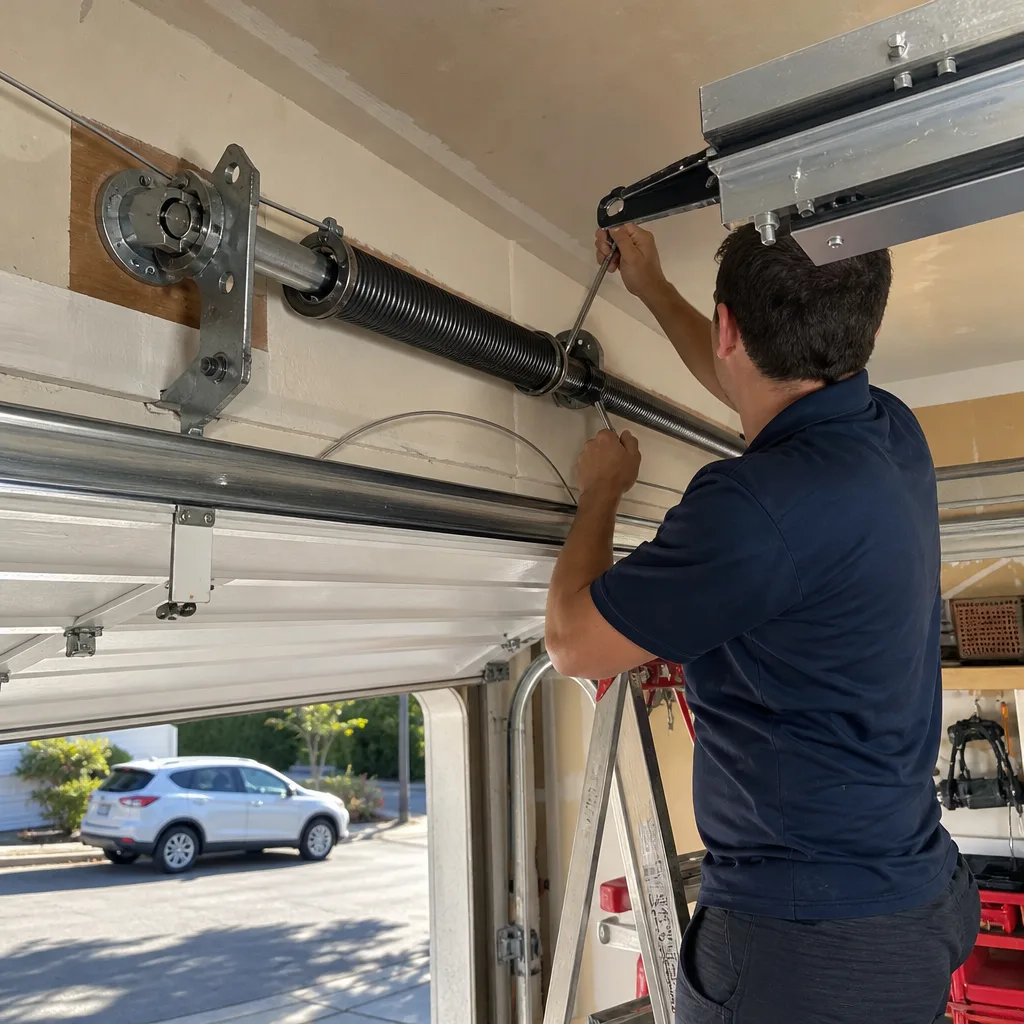
- Torsion springs. Surface rust on springs is not immediately dangerous, but it is a warning. Rusted springs lose their protective coating and are more prone to cracking. A spring with visible rust should be inspected by a professional. Spring replacement is dangerous work, and it is not a DIY job under any circumstances. We cover what to expect in our Garage Door Spring Repair in Sacramento guide, including why you should never attempt it yourself.
- Track brackets and bolts. Wipe them down and check for rust at the bolt heads. If you find it, remove the loose surface rust with a wire brush and apply a light coat of white lithium grease to protect the surface.
- The bottom seal channel. The metal channel that holds the bottom seal catches moisture that runs down the door face. Check it for rust spots and wipe it dry after heavy fog.
Prevention Beats Repair
A five-minute wipe-down with a dry rag once a month during fog season does more than any product. The goal is to interrupt the moisture cycle before rust starts. When rust has already started, remove it with a wire brush or steel wool, wipe the area clean, and apply a protective coating. White lithium grease works for hinge points and bolts. For springs, use the silicone spring lubricant mentioned in the lubrication section above. Do not use water-displacing sprays on springs as a routine treatment. They are designed for freeing seized parts, not for long-term protection, and they strip away any remaining factory coating.
In Natomas and other Sacramento neighborhoods that sit low and close to the river, fog tends to concentrate more heavily than in higher parts of the city like Folsom or El Dorado Hills. Homeowners in those lower areas should check hardware more frequently because the moisture exposure is higher and the rust risk is real.
Opener Care After a Sacramento Summer
The garage door opener is the most heat-sensitive component in the entire system, and in Sacramento it takes a beating every summer. The motor and logic board live in a housing that is exposed to whatever temperature the garage reaches, and a garage that bakes all afternoon at 110°F is a hostile environment for electronics. Most opener failures in the Sacramento area happen in late summer or early fall, and many of them are preventable with a few seasonal checks.
What to Check Each September
- Photo-eye alignment. The photo eyes sit on either side of the door near the floor. Sacramento’s summer heat causes the mounting brackets and the door track to expand slightly, and repeated heating and cooling cycles can shift the sensors by a few millimeters. A sensor that is even slightly out of alignment will cause the door to reverse when it should not, or refuse to close at all. Check for a solid green or amber light on each eye. If either light is blinking, the sensor is misaligned or obstructed. Gently adjust the sensor until the light goes steady, then test the door.
- Logic board inspection. Unplug the opener in September and remove the housing cover. Look at the logic board. If you see any discoloration, melted spots, or bulging capacitors, the board is overheating and may fail soon. Homes with LiftMaster, Chamberlain, and Genie openers are all susceptible to this. This is also a good time to remove any dust build-up, which acts as insulation and makes the board run hotter.
- Opener chain or belt tension. Sacramento’s temperature swings cause the chain or belt on the opener to stretch and contract. A chain that is too loose will rattle and jump; a belt that is too tight will wear out the gears faster. Check the manual for the manufacturer’s recommended slack. On most LiftMaster and Chamberlain models, the chain should have about a quarter-inch of sag at the midpoint when the door is closed.
- Auto-reverse test. Place a 2×4 flat on the floor under the door and close it. The door should reverse within two seconds of contacting the wood. This is a safety feature required by federal law, and it must be tested monthly. In Sacramento specifically, heat-related sensor drift means the auto-reverse mechanism sometimes gets out of adjustment over the summer, and September is the right time to confirm it still works.
- Motor temperature feel. After running the door through a full cycle, place a hand on the opener motor housing. Warm is normal. Too hot to touch after a single cycle is not. That indicates the motor is overworking, which usually means a door balance problem or a lubrication failure is forcing the motor to work harder than it should.
If the opener is more than ten years old and has been through a decade of Sacramento summers, it may be nearing the end of its service life regardless of maintenance. Replacing a heat-damaged opener before it fails completely is cheaper than an emergency replacement. We work with LiftMaster, Chamberlain, and Genie openers regularly, and our technicians are trained on all three brands. If September’s checks turn up something concerning, a professional assessment is worth the call.
The 20-Minute Fall Walkthrough
Before the first real cold snap hits Sacramento, usually in late November or early December, walk through this ten-step checklist. It takes about 20 minutes and catches the three most common winter failure points before the cold arrives: loose hardware, dried out seals, and unbalanced doors. Metal contracts in cold weather. A door that is marginally off in November will be noticeably off in January. These steps are listed in order from top to bottom of the door.
- Run the door manually. Pull the release handle and move the door by hand. It should move smoothly, both directions, with about the same effort throughout the full travel arc. If it sticks, binds, or catches anywhere, something is out of alignment.
- Check every visible bolt. Use a socket set on the track brackets, hinge plates, and opener mounting hardware. Two minutes with a wrench in the fall prevents most of the winter loosening we see.
- Inspect every hinge. Look at each hinge along both sides of the door. The metal should be flat and flush against the door face. A hinge that has pulled away even slightly is under too much stress, and it will wear out faster than one that sits flush. Listen for clicking when the door moves; that is a hinge warning you.
- Examine the rollers. With the door open, spin each roller by hand. A roller should spin freely and sit centered in the track. A roller that grinds, wobbles, or has a flat spot needs replacement. Rollers are cheap; the damage a failing roller does to the track is not.
- Check both springs. Stand to the side of the door and look at the torsion springs above the door. They should look identical: same gap between coils, no visible rust, no sagging. If the coils are uneven or a spring has visible rust streaks, call a professional. Do not touch the springs. Spring replacement and spring adjustment are dangerous, and no amount of online research makes it safe. If you suspect a spring problem, our Garage Door Spring Repair in Sacramento page explains warning signs and what a repair involves.
- Balance-test the door. Release the opener with the door halfway open. The door should stay in place on its own. If it drifts down, the springs are losing tension. If it flies up, the springs are over-tensioned. Either condition means the opener is working harder than it was designed to, and the springs need professional adjustment.
- Inspect the bottom seal. With the door closed, crouch down and run your hand along the bottom seal where it meets the floor. It should be soft and pliable, and it should compress evenly. Any gap, crack, or brittle texture means replacement time. The dry season has already done the damage by fall; replacing now prevents a wet, drafty garage in winter.
- Check the side weatherstripping. The vertical strips along each side of the door opening should sit flush against the door face. If they have pulled away or curled, cold air and fog moisture get in. Side stripping is cheap and replaceable in about five minutes per side.
- Clean the photo-eye lenses. A dry rag over each lens takes thirty seconds. Dust and cobwebs from the dry season build up on the lenses and can cause intermittent sensor failures.
- Run the door through three full cycles. Watch and listen. The door should travel smoothly, stop evenly, and reverse properly on the auto-reverse test. Any new noise, hesitation, or uneven travel is a signal to investigate before the temperature drops further.
This walkthrough is the core of what we call preventive maintenance, and it is what catches the repairs that never need to become repairs. The full version of these checks, as well as what to do when something fails, is on our Garage Door Repair in Sacramento page.
Common Mistakes to Avoid
- Lubricating only when the door starts making noise. By the time you hear a squeak in Sacramento, the parts have already been running dry for weeks. Lubrication is a scheduled task in this climate, not a response to symptoms.
- Using WD-40 or another penetrating oil on everything. Penetrating oils are for freeing rusted parts, not for lubricating a door that runs multiple times a day. They evaporate within days and leave the components drier than they started.
- Spraying lubricant into the track. The track needs to stay clean and dry so the rollers can grip it. Greasy tracks collect dust from Sacramento’s dry season and become a sticky, abrasive mess that accelerates roller wear.
- Ignoring a squeak that comes and goes with the weather. Some Sacramento homeowners notice a noise in winter that disappears in summer, or vice versa. That is not a door that fixed itself. That is a component that is binding under specific conditions, and it will fail eventually. Intermittent noises are early warnings.
- Replacing only part of a worn seal system. The bottom seal, the side weatherstripping, and the top seal work together. Replacing just the bottom seal while leaving cracked side strips creates a drafty garage and undermines the new seal.
- Skipping the auto-reverse test because the door seems fine. The auto-reverse mechanism is a safety device. It must be tested monthly, not annually. A door that fails the 2×4 test is dangerous, especially in a home with kids and pets.
- Trying to adjust or replace torsion springs without professional training. Torsion springs hold hundreds of pounds of tension. They can cause serious injury or death if released incorrectly. This is the one garage door job that should never be attempted as a home project in Sacramento or anywhere else.
When to Call a Professional
Some garage door tasks are safe, satisfying homeowner projects. Others are best left to someone with training and the right tools. The line is usually drawn at tension and electricity. Anything involving springs, cables, or the opener’s internal wiring carries real risk. Specifically: a broken torsion spring, a frayed cable, a door that will not stay open, or an opener that sparks or smells of burning plastic are all reasons to stop and call someone who does this every day. You do not need a diagnosis you can articulate; the symptom is enough. Fernbrook Garage Doors Sacramento offers free estimates in Sacramento, and our technicians are trained across eight major brands including LiftMaster, Chamberlain, Genie, and Clopay. We carry the common parts on the truck, arrive in uniform, and provide a written price before any work begins. If you are not sure whether a problem qualifies as an emergency, call (279) 236-2640 and describe what you are seeing. We will tell you whether it can wait.
Frequently Asked Questions
Twice a year is the right cadence for Sacramento’s climate: once in May before the summer heat arrives and once in October as the weather cools. If you live in a low-lying neighborhood near the river where tule fog settles heavily, a third application in January helps protect against moisture-related rust. Use a white lithium grease on hinges and rollers and a silicone spring lubricant on the springs. Call (279) 236-2640 if you would prefer a technician handle it, and we will quote you a free estimate in the Sacramento area.
Garage door components start showing measurable wear at sustained surface temperatures above 120°F, which is common on dark steel doors during Sacramento’s summer afternoons when the surface can reach 160°F. The heat degrades lubricants, causes nylon rollers to become brittle, puts thermal stress on panels, and forces the opener motor to run hotter than it was designed for. Doors facing west or south are most affected.
Cold air causes the metal components in a garage door to contract, which means small gaps that were tolerable in summer become tight in winter. A door that squeaks only during Sacramento’s cooler months is telling you that a hinge, roller, or spring is binding under contraction. Lubricating in October usually resolves the squeak, but if it persists, a roller or hinge may need replacement.
Yes, in most cases. The bottom seal slides into a channel at the bottom of the door and can be removed with pliers. The key is buying a replacement that matches your door’s channel type, which varies by manufacturer. Measure the old seal and match the width and channel profile. The job takes about 30 minutes the first time. If the channel is damaged or the old seal is fused in place, professional replacement is the better route.
Three signs indicate spring wear: the door will not stay halfway when released manually, the door feels heavier than it used to, or you see visible rust on the spring coils. Sacramento’s fog season accelerates rust, and the heat-to-cool transition each year causes metal fatigue in the coils. If you see rust, uneven coil spacing, or the door drifting down when opened halfway, call (279) 236-2640 for a free estimate. Spring replacement is not a DIY project, and the risk is not worth the savings.
Yes, and the effect is most visible on rubber components. Sacramento’s dry season runs from May through October with monthly rainfall under half an inch and humidity regularly below 30 percent. That environment pulls moisture out of rubber weatherstripping, causing it to crack, shrink, and stop sealing. A bottom seal that has not been replaced in three or more Sacramento dry seasons is almost certainly due for replacement, and the best time to do it is in September or October before the wet season starts.
The Bottom Line
Sacramento’s garage doors fail on a schedule, and once you know the schedule, you can prevent most of the failures. Lubricate with heat-stable products in May and October. Replace weatherstripping when the dry season has finished with it, usually in September. Check for tule fog rust between November and February. Test the auto-reverse every month. And do the 20-minute fall walkthrough before the first real cold snap. These steps take less than two hours total per year, and they prevent the majority of the repair calls we handle in the Sacramento area. When something falls outside the routine, Fernbrook Garage Doors Sacramento is available 24 hours a day at (279) 236-2640, with a live person who answers the phone and a written price before any work starts. The Fernbrook Garage Doors Sacramento home page has the full range of what we do, from same-day spring work to full door and opener installations.
Written by Jesse Calder, Owner at Fernbrook Garage Doors Sacramento, serving Sacramento since 2002.
See the difference
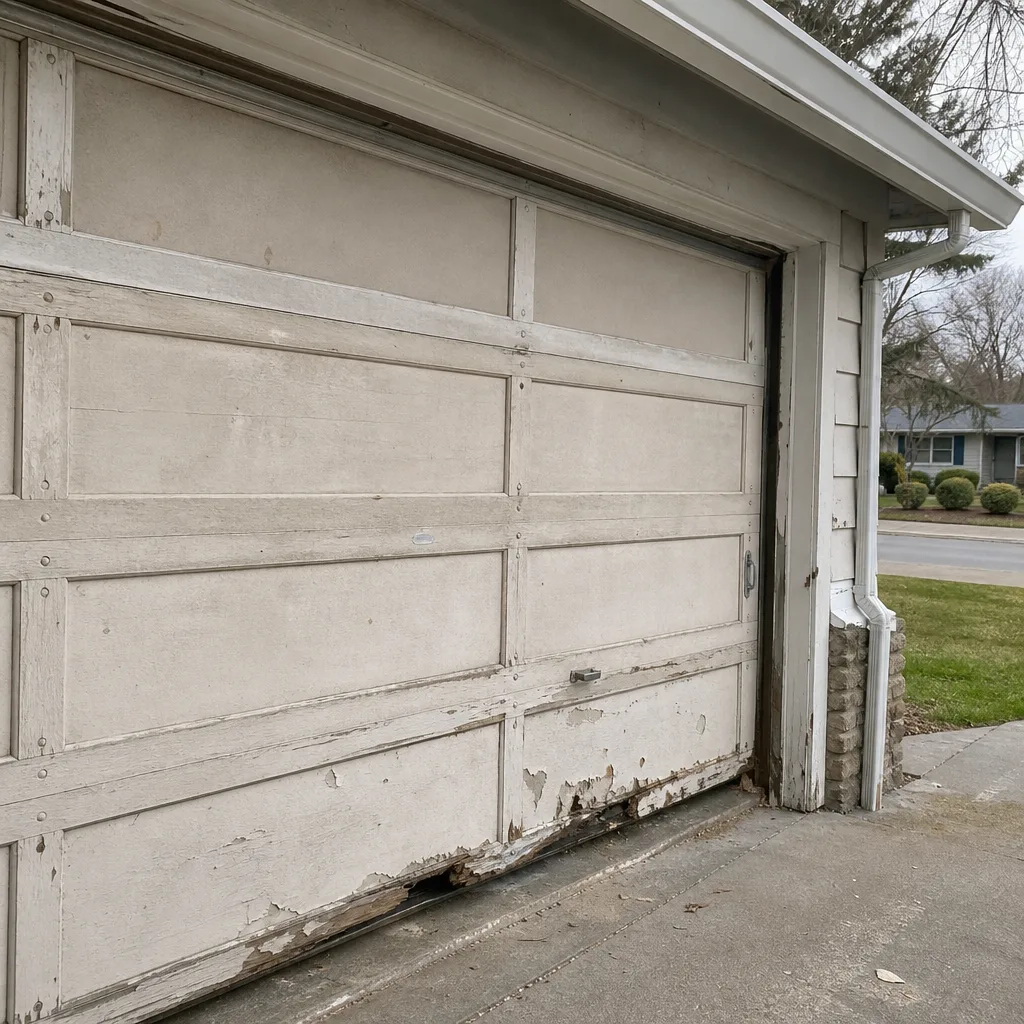 Before
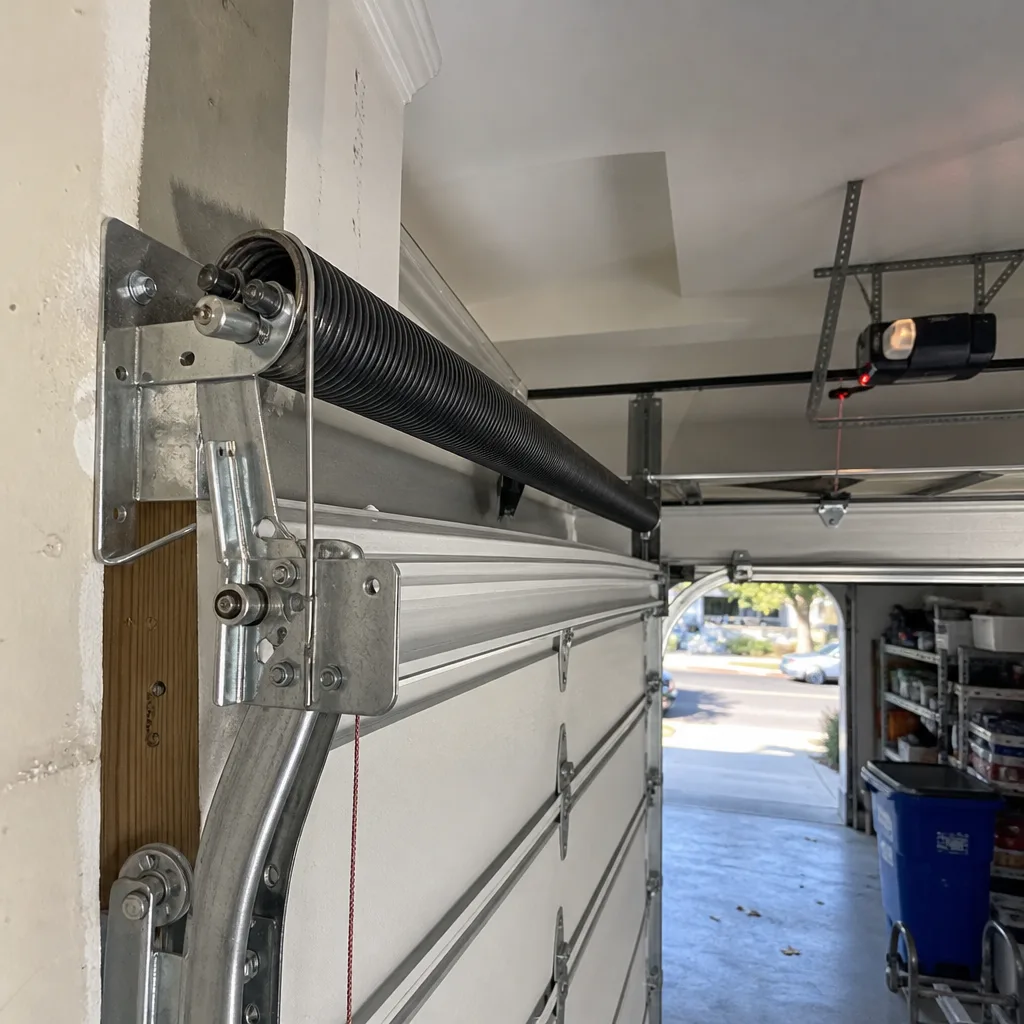 After
After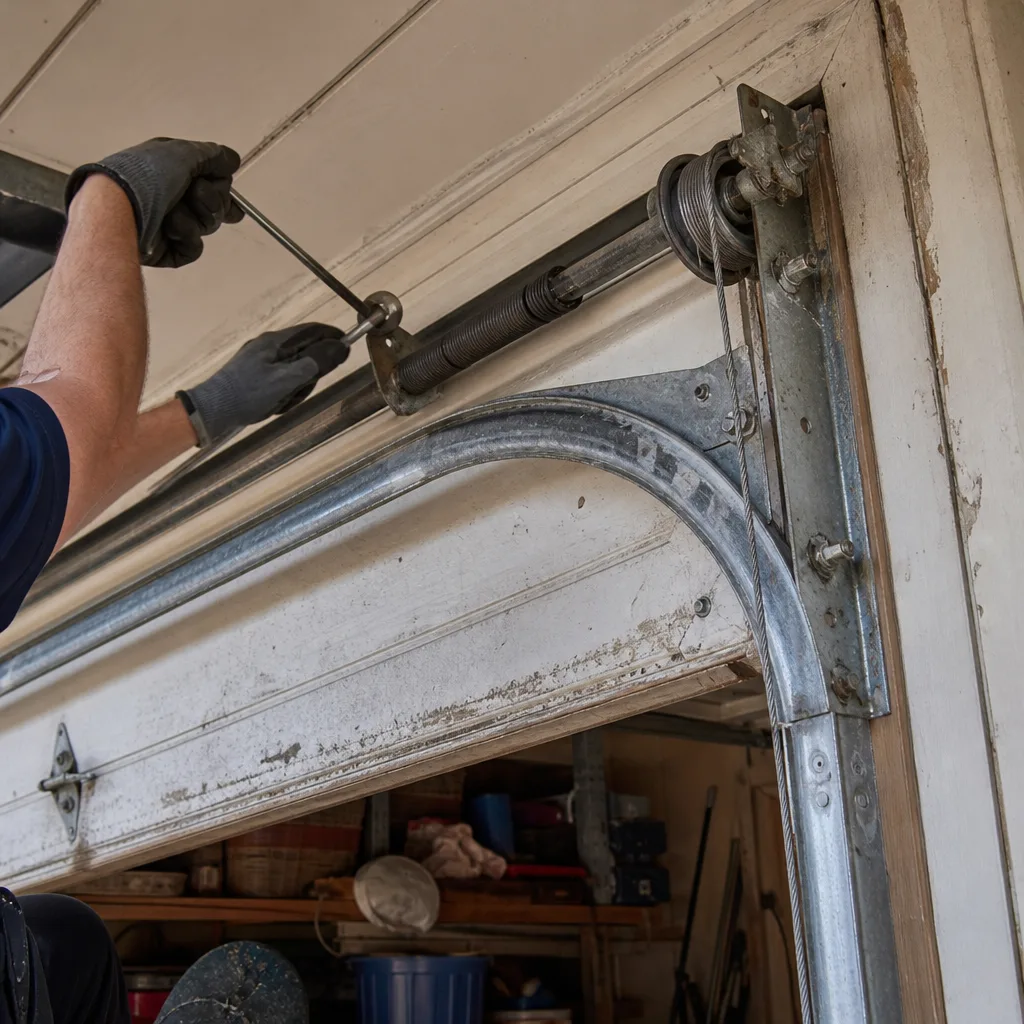 Before
 After
After