
Last updated October 17, 2026
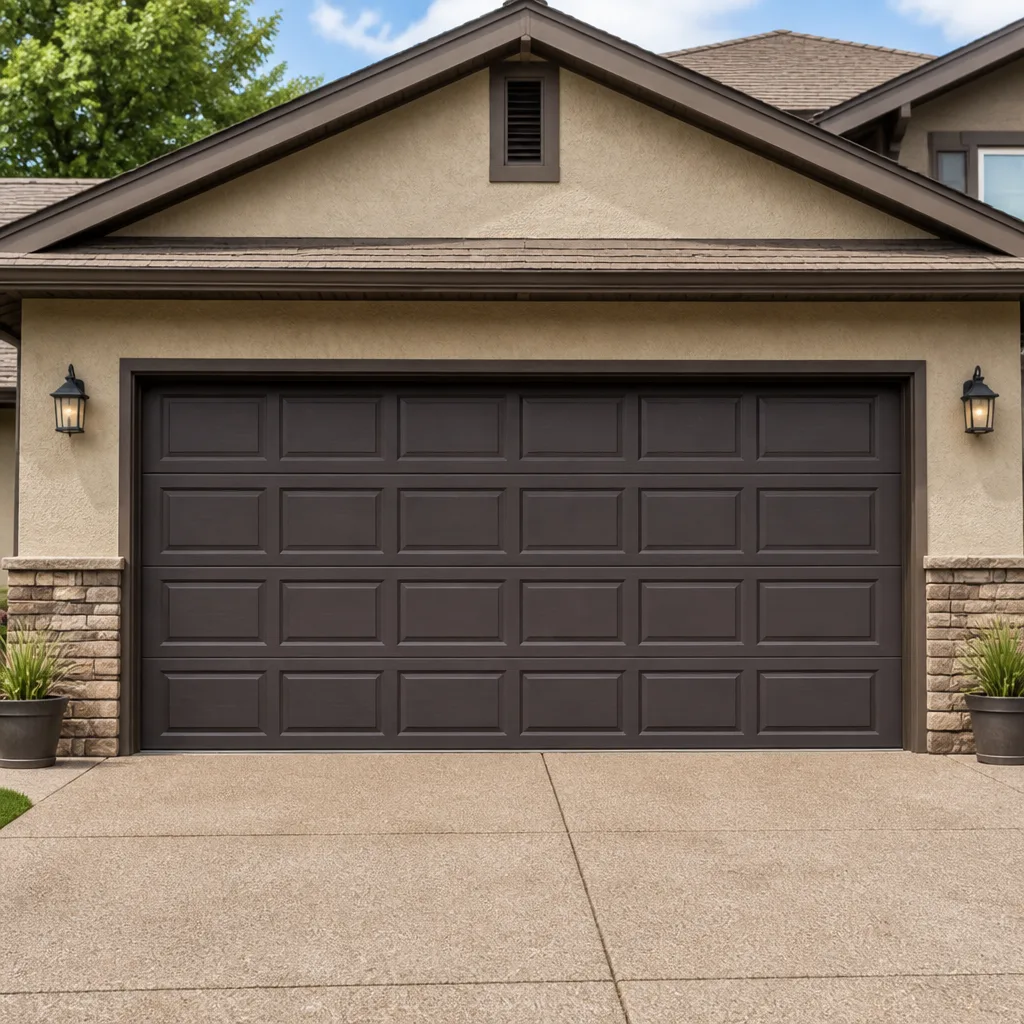 Raised-panel steel
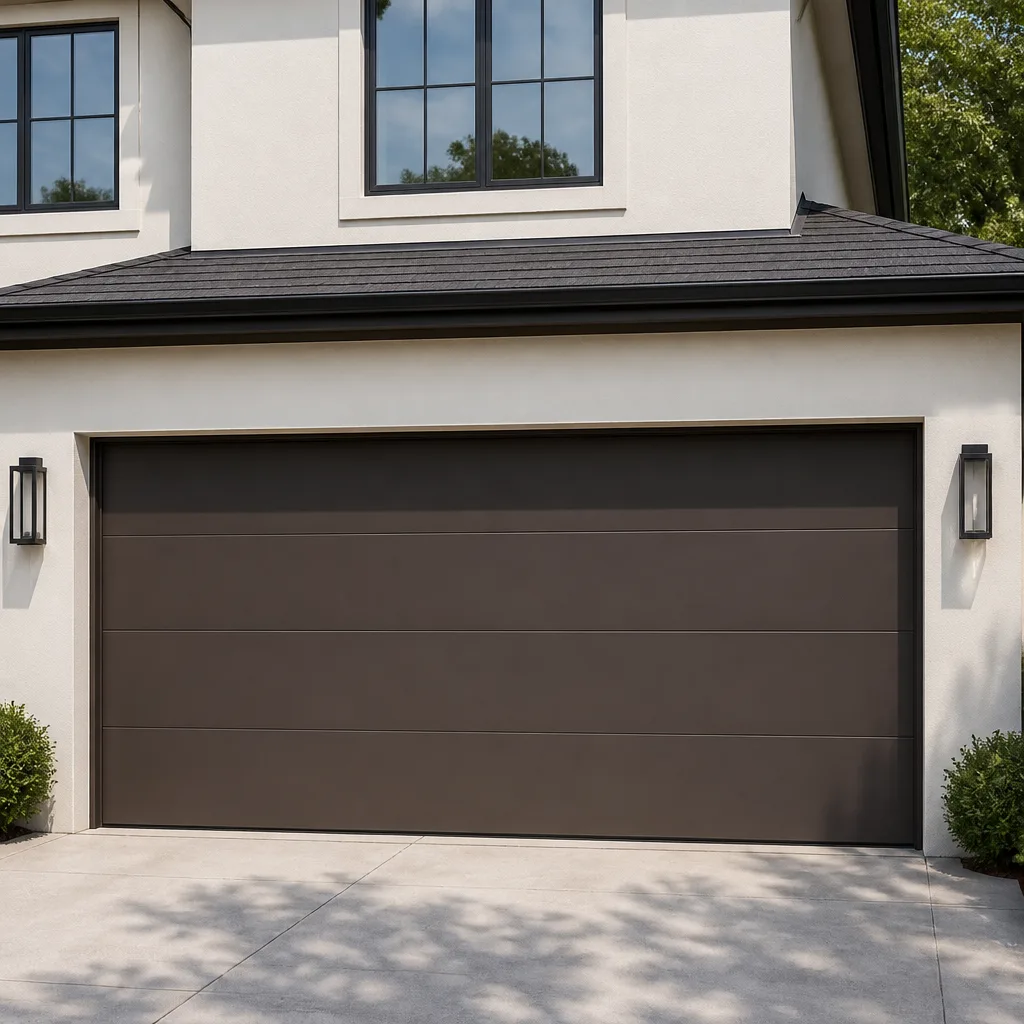 Modern flush
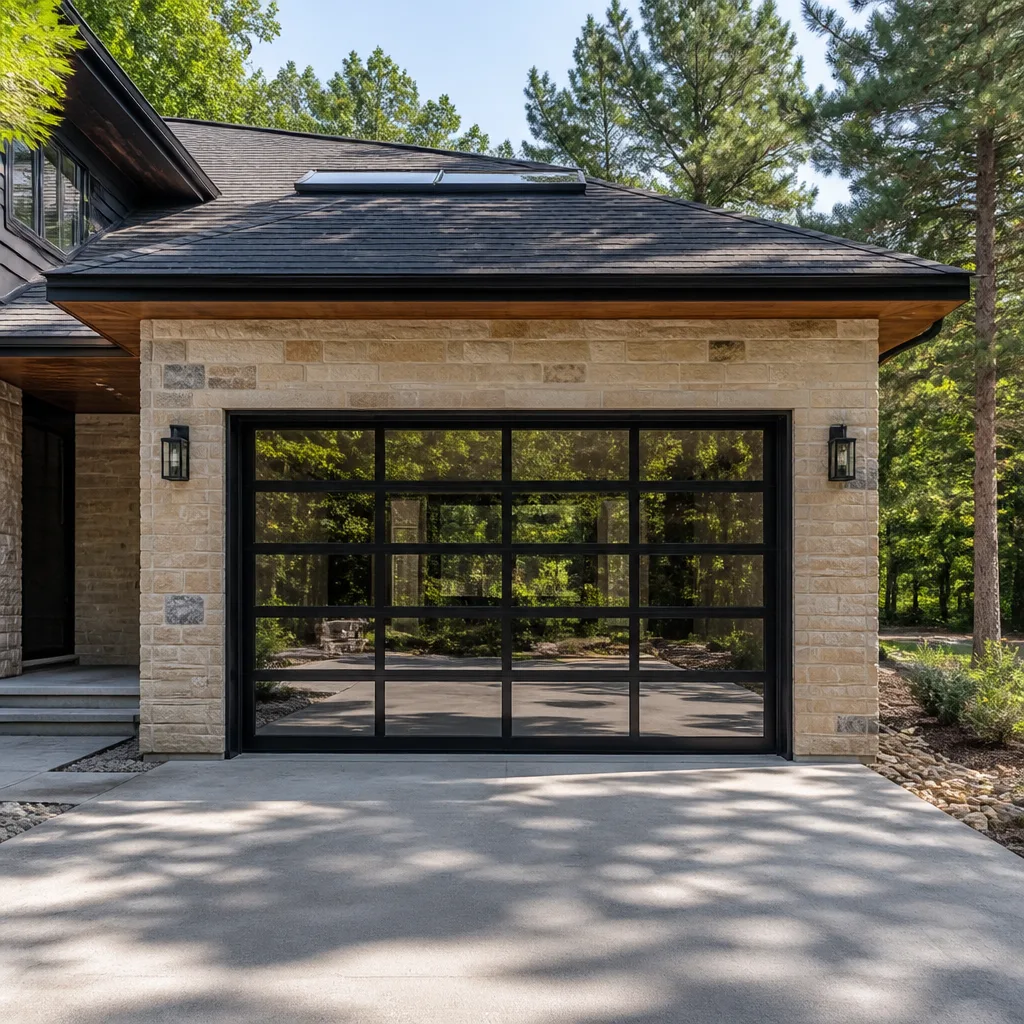 Full-view glass
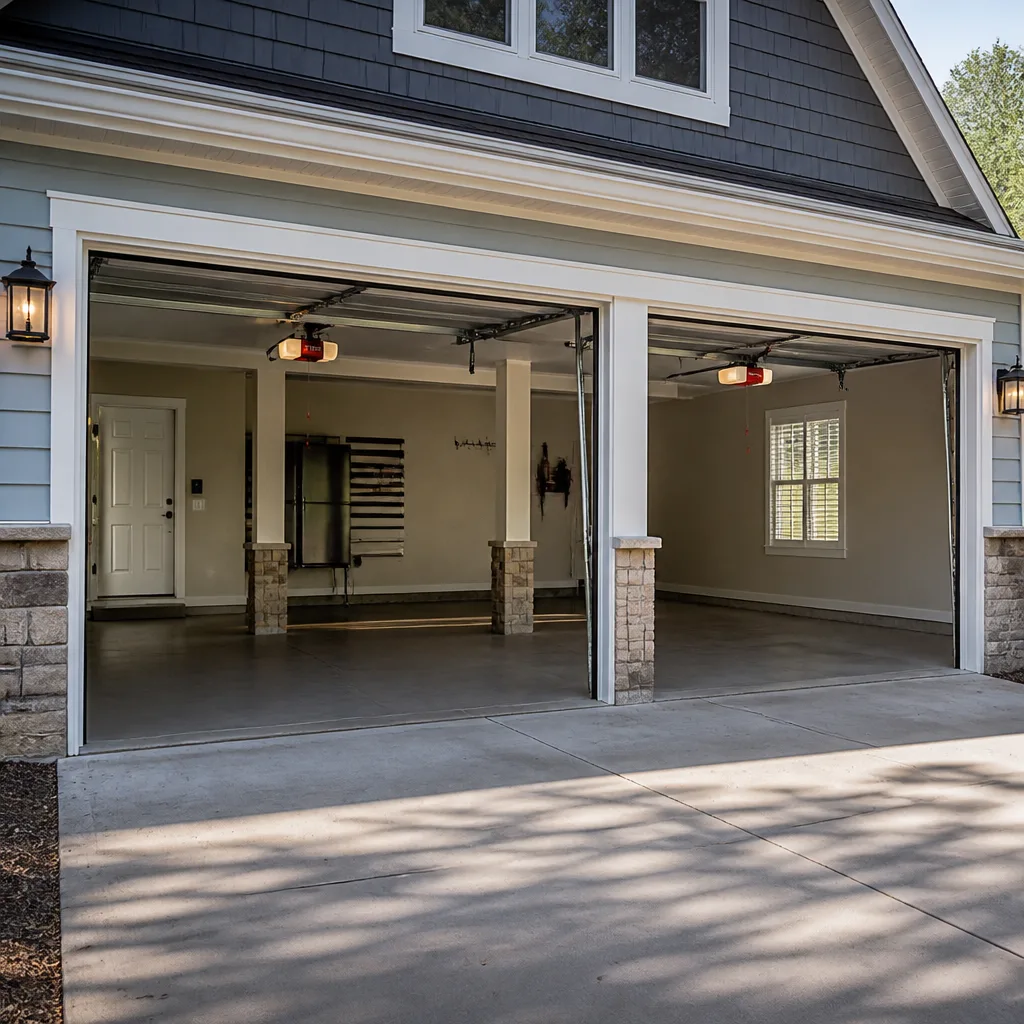 LiftMaster openers
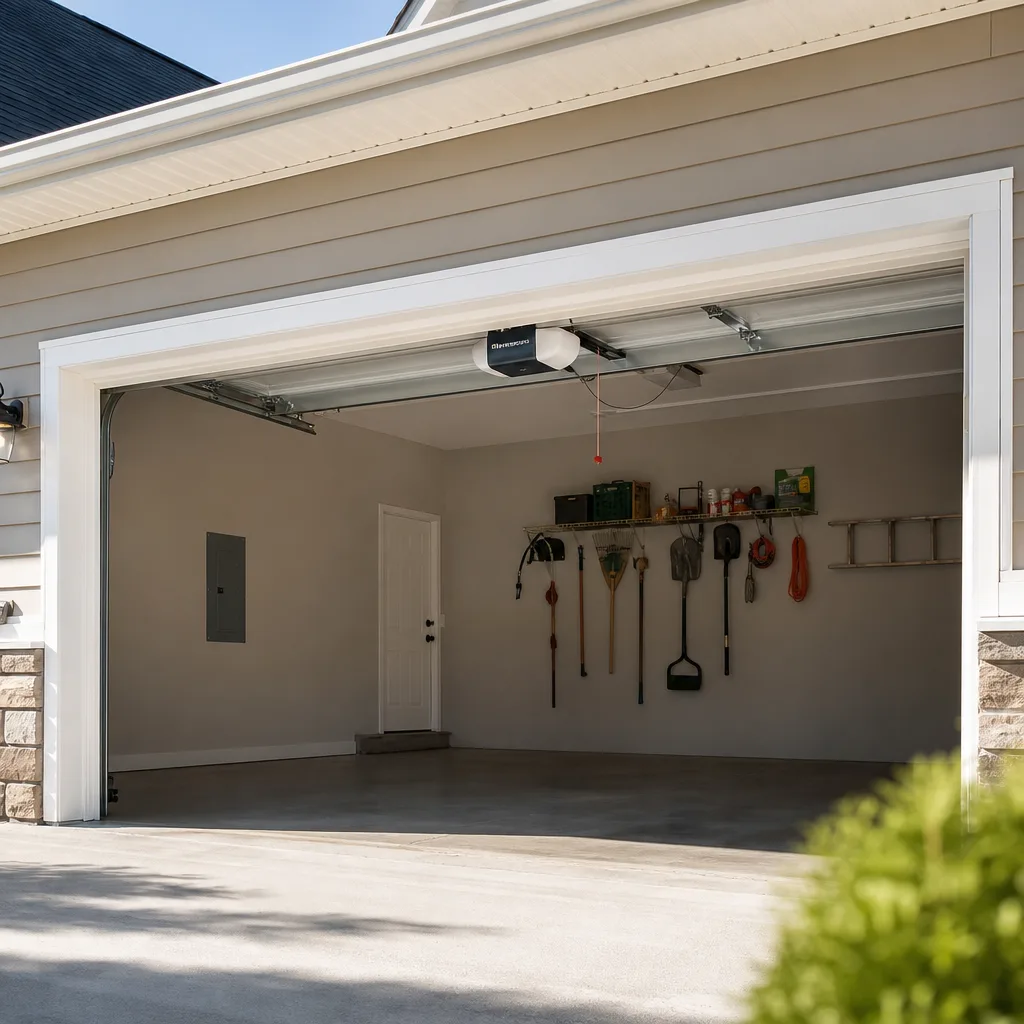 Chamberlain openers
Full 25-point door and opener safety check with every visit - springs, cables, rollers, tracks, and your LiftMaster or Chamberlain opener included
You get a price before we start. It does not change when the truck arrives.
Get your free estimateThe Complete Guide to Garage Door in Sacramento
The average Sacramento home has a garage door that accounts for roughly 30% of its front facade. Yet most homeowners spend more time choosing interior paint colors than understanding what’s behind that panel every single day. This guide explains how your garage door actually works, what it costs to maintain in the Sacramento climate, which decisions matter most, and how to spot trouble before it becomes an emergency. By the end, you’ll know more about your garage door than most Sacramento homeowners will ever learn, and you’ll know exactly what to ask any technician who walks onto your property.
Quick Answer
A garage door in Sacramento is the largest moving component of your home and the single biggest visual element on your front elevation. It needs three things to last: the right material for our Central Valley heat, a properly balanced spring system, and an opener matched to the door’s weight. Most Sacramento garage doors last 15 to 25 years, with spring replacement every 7 to 10 years, and the average repair call in our area runs between $120 and $350. Fernbrook Garage Doors Sacramento provides repair, installation, spring replacement, and opener service across the greater Sacramento area, with a written price confirmed before any work begins.
Styles & brands we work with
Table of Contents
- Understanding Your Garage Door: Anatomy 101
- How Sacramento’s Climate Affects Your Garage Door
- Materials, Insulation, and R-Value Explained
- Springs: The Part That Does the Heavy Lifting
- Garage Door Openers: Wall-Mount vs. Belt vs. Chain
- What Repairs and Replacements Cost in Sacramento
- How to Read Your Garage Door’s Age and Condition
- Sacramento HOAs and Garage Door Aesthetics
Understanding Your Garage Door: Anatomy 101
Most Sacramento homes have sectional garage doors made of four or five horizontal panels connected by hinges. Those panels ride in tracks along the ceiling and down the sides of the opening. A counterbalance system, almost always one or two torsion springs mounted above the door, does the actual heavy lifting. The opener is not what lifts the door. The springs carry the weight, and the opener simply guides the panels along the track. When someone says their opener “died” but the door won’t budge by hand either, the problem is usually a snapped spring, not the motor.
Here’s what every Sacramento homeowner should know about the main components:
- Panels: Steel, wood, fiberglass, or vinyl sections that form the door surface. Steel is by far the most common in the Sacramento market because it handles heat better than wood and costs less than fiberglass.
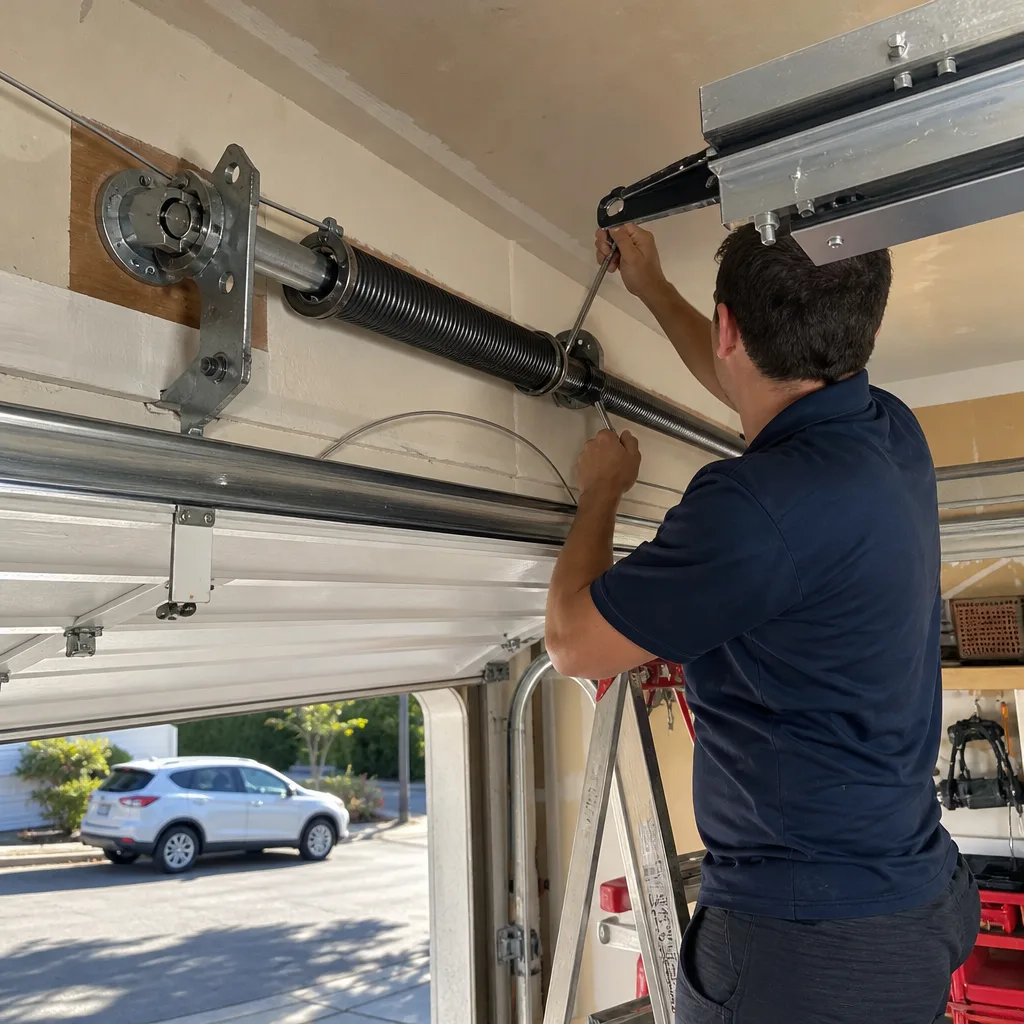
- Torsion springs: Mounted on a metal shaft above the door opening. These hold enormous tension and counterbalance the full weight of the door. Most Sacramento homes need two springs sized to the door’s exact weight.
- Cables: Steel cables connect the bottom of the door to the spring shaft. If a cable frays or snaps, the door can drop unevenly and jam.
- Track and rollers: Guide the door up and down. Rollers wear out after 7 to 12 years depending on use and humidity.
- Opener: The motor unit mounted on the ceiling or side wall. It moves the door but should never strain against it.
- Weatherstripping: Rubber seals along the bottom and sides. In Sacramento, these break down faster than most people expect due to prolonged heat exposure.
Fernbrook Garage Doors Sacramento home service area covers the entire city, from Land Park to Natomas to Elk Grove, and our technicians walk homeowners through every component before recommending any work.
How Sacramento’s Climate Affects Your Garage Door
Sacramento sits in the northern Central Valley, which means our garage doors face a specific set of environmental stresses that doors in coastal cities never deal with. Summer temperatures routinely exceed 100°F, and garage interiors in direct sun can reach 115°F or more in July. Winter brings tule fog, damp mornings, and occasional light frost. That combination of heat, UV exposure, and moisture cycles affects different materials in different ways.
Steel doors: The most common choice in Sacramento for good reason. Steel handles heat well and doesn’t warp. The weakness is the factory paint finish, which oxidizes and fades after 8 to 12 years of direct sun exposure, especially on west-facing garages in neighborhoods like Pocket and Greenhaven. Faded paint is cosmetic, but exposed steel underneath can eventually rust along panel edges where condensation sits during foggy winter mornings.
Wood doors: Beautiful but high-maintenance in our climate. Heat dries wood out, causing joints to separate and panels to crack. Tule fog adds moisture, which means wood doors in Sacramento need repainting or resealing every 3 to 5 years compared to 5 to 8 years in milder climates. We see wood rot most often along the bottom panel where sprinklers hit the door, a common pattern in neighborhoods with automatic irrigation.
Fiberglass doors: Less common in Sacramento, but they hold up reasonably well. The issue is that fiberglass panels can yellow and become brittle under prolonged UV exposure. In our experience, a fiberglass door facing southern sun will show visible degradation within 10 years.
The practical takeaway: Sacramento’s climate primarily attacks finishes and seals, not structure. A well-maintained steel door from a reputable manufacturer like Amarr or Clopay will usually last 20 years here. The maintenance that matters most is replacing bottom weatherstripping every 3 to 4 years and checking the balance of the door twice a year, because heat expands and contracts the metal parts just enough to change spring tension over time.
Materials, Insulation, and R-Value Explained
R-value measures thermal resistance: how well a material stops heat from moving through it. Higher R-value means better insulation. A basic single-layer steel garage door has an R-value around 6 to 8. A double-layer door with polystyrene insulation typically scores 9 to 12. A premium triple-layer door with polyurethane insulation can reach R-17 or higher.
Whether that insulation matters depends entirely on how you use your Sacramento garage:
- Attached garage, no temperature control: On a 105°F day, your garage will get hot no matter what door you install. Insulation slows the heat transfer but won’t stop it. R-8 to R-12 is usually adequate.
- Attached garage with a room above it: This is where insulation pays off. The bedroom over the garage, common in Natomas and Folsom new builds, stays noticeably cooler when the garage door below has R-12 or higher. Ceiling insulation helps, but the door is a major heat source.
- Detached workshop or converted garage: If you run a mini-split or portable AC in the space, you want R-13 minimum. A triple-layer polyurethane door from Clopay or Amarr makes a measurable difference in how hard that AC works.
Here’s the cost difference in plain numbers. A builder-grade single-layer steel door for a standard 16×7 opening in Sacramento runs about $900 to $1,200 installed. A double-layer insulated steel door runs $1,600 to $2,400. That extra $700 to $1,200 is the practical difference between a garage that hits 115°F by 2 p.m. and one that stays closer to 95°F on the same afternoon. If you use the garage as a workshop, gym, or kids’ play area, the insulated door typically pays for itself in energy savings within 4 to 6 Sacramento summers.
Springs: The Part That Does the Heavy Lifting
Every time you press the opener button, torsion springs above the door wind or unwind to lift what is often a 150 to 200 pound door. Most residential torsion springs are rated for 10,000 cycles, which translates to roughly 7 to 10 years of normal use in a home where the door opens twice a day. When a spring snaps, it sounds like a gunshot in the garage and the door will not lift, even if the opener motor runs fine.
In Sacramento, spring life is slightly shorter than in cooler climates. Heat causes metal fatigue faster, and homes on the west side of the city, where garages catch afternoon sun for hours, tend to need spring replacement on the earlier end of that 7 to 10 year range.
Our strong recommendation: if one spring snaps, replace both. The second spring is the same age, has the same cycle count, and is carrying the same load. Installing one new spring next to one old spring creates an imbalance that wears the new spring faster and leaves you with another service call within a year or two. A pair of standard torsion springs for a 16×7 door in Sacramento costs $250 to $380 installed, including labor and the service call.
Safety note: garage door torsion springs hold hundreds of pounds of tension. Attempting to remove or adjust one without proper winding bars and training can cause serious injury. This is one job where we tell every homeowner the same thing: call a professional. For a deeper dive on spring mechanics, pricing, and warning signs, read our dedicated guide on Garage Door Spring Repair in Sacramento.
Garage Door Openers: Wall-Mount vs. Belt vs. Chain
The opener choice matters more for daily comfort than most homeowners realize, and it’s one of the three decisions that are hard to undo later. The three main types are:
- Chain drive: Metal chain pulling the door. Loud, reliable, and inexpensive. Best for detached garages where noise doesn’t reach living spaces.
- Belt drive: Reinforced rubber belt instead of chain. Noticeably quieter, which matters when there’s a bedroom above the garage. Belt drive openers from Chamberlain and Genie are the most common choice for Sacramento homes with a room over the garage.
- Wall-mount (jackshaft): Mounted on the side wall next to the door, not on the ceiling. Frees up overhead space, runs very quietly, and works well in garages with low ceilings or storage racks. Costs more than ceiling-mounted units. LiftMaster dominates this category, and we install the brand regularly for Sacramento homes with converted garages.
The opener should be sized to the door. A single-car door works fine with a 1/2 horsepower motor. A double-car insulated door, which can weigh 200 pounds or more, needs 3/4 horsepower or more. Undersizing the opener means the motor strains constantly and burns out in 5 to 7 years instead of 10 to 12.
Modern openers come with battery backup, which matters in Sacramento during fall winds and winter storms when power flickers. MyQ connectivity from LiftMaster and Chamberlain lets you check door status from your phone and open it for deliveries, something our clients in Oak Park and Curtis Park ask about frequently now that package theft is a known issue.
What Repairs and Replacements Cost in Sacramento
Sacramento garage door repair pricing is relatively stable, but it varies by neighborhood and by the age of the home. Here are the ranges we see across the city in 2025:
- Spring replacement (pair): $250 to $380. Includes both springs, labor, and a safety inspection.
- Cable replacement: $140 to $220. Usually done as a pair to keep the door balanced.
- Opener replacement: $400 to $750 installed, depending on drive type and features. Wall-mount units run higher.
- Roller replacement: $120 to $180 for a full set. Nylon rollers with sealed bearings run quieter and last longer.
- Weatherstripping replacement: $80 to $150 for bottom seal and side seals.
- Full door replacement (16×7 steel): $1,600 to $3,500 installed. The range depends on insulation, window inserts, and brand.
- Track repair or realignment: $160 to $280. Usually needed after a door gets hit by a car or shifted by foundation movement.
Every Fernbrook Garage Doors Sacramento job starts with the same step: a written price before any work begins. No exceptions. You’ll know exactly what the repair costs, what parts we’re installing, and what the total invoice will be, all agreed before the first tool comes out. For a full breakdown of common repair scenarios and pricing, see our guide to Garage Door Repair in Sacramento.
How to Read Your Garage Door’s Age and Condition
You can learn a lot about your door before anyone touches it, and those observations will tell you whether a repair call is urgent or routine. Walk outside and look at your door from the street, then run through these checks:
- Check panel alignment: Stand at either end of the door and sight down the panel line. If the panels bow outward or sit unevenly, the door is either out of balance or the panels are fatigued from heat exposure. A common pattern in Sacramento is a slight outward bow on west-facing steel doors that have been baking in afternoon sun for a decade.
- Look at the spring shaft: Peer above the closed door from inside the garage. If you see a visible gap in a torsion spring, that spring is broken. If both springs look intact but the paint on them is flaking or rusted at the ends, they’re older. Most Sacramento homes with original springs from 2015 or earlier are due.
- Run your hand along the bottom seal: The rubber weatherstrip along the bottom edge should be pliable, not cracked or hard. In our climate, this seal usually fails after 3 to 4 years because heat bakes the rubber. A failed seal lets dust, rodents, and hot air in, and Sacramento summers provide plenty of all three.
- Open the door halfway and let go: A properly balanced door will stay roughly where you left it. If it drifts up or slams down, the springs are losing tension and need adjustment or replacement. This 30-second test catches 80% of the spring issues we see on service calls.
- Listen to the door move: Grinding, squealing, or thumping noises point to worn rollers, dry hinges, or a loose chain. Smooth and quiet is the goal, and modern nylon rollers from brands like Clopay or Genie make a dramatic difference over the old steel ones.
If any of these checks reveals a problem, call (279) 236-2640 and we’ll schedule a technician to take a proper look. Our team serves Sacramento from Antelope to Florin, and every visit starts with a written, no-obligation price.
Sacramento HOAs and Garage Door Aesthetics
Sacramento has a higher concentration of HOAs than most California cities of its size, especially in newer developments like Natomas, Pocket, and the communities along the Highway 50 corridor, so garage door permits, codes and inspections in CA are worth understanding before any project. If you live under an HOA, your garage door is not purely a personal choice. Most Sacramento-area HOAs require that garage doors match the original builder style, and many specify materials and colors in their CC&Rs.
That makes garage door aesthetics a financial decision, not just a personal one. Installing a door that violates HOA rules can lead to fines, forced replacement, or both. Before ordering any new door, pull out your HOA documents and check for:
- Approved door colors and whether repainting requires approval
- Whether carriage-style or wood-look doors are permitted
- Restrictions on window inserts
- Requirements that all doors on the street match a specific pattern
In practice, we see the most friction around two choices: homeowners wanting wood-look doors in a community that specifies flat steel, and homeowners painting their door a non-approved color. A good rule of thumb: if your Sacramento community was built after 1995, assume the HOA has an opinion about your garage door. We’re happy to help navigate those requirements, and our installation team at Garage Door Installation in Sacramento has worked with the major Sacramento-area management companies enough to know what typically passes review and what doesn’t.
Common Mistakes to Avoid
- Replacing only one spring: The second spring has the same cycle count and will snap soon. You’ll pay for two service calls instead of one, and the unbalanced door will wear out other parts faster.
- Ignoring a drifting door: A door that doesn’t hold position when stopped halfway is signaling a spring problem. Adjusting it early costs $100 to $180. Waiting until it snaps costs $250 to $380 and usually means a door that won’t open at all.
- Lubricating the wrong parts: Springs, hinges, and rollers need white lithium grease or silicone spray. Using WD-40 or heavy motor oil attracts dust and accelerates wear. In Sacramento’s dusty environment, this mistake shortens roller life noticeably.
- Skipping the bottom weatherstripping: A $15 seal prevents dust, pests, and hot air from entering your garage, and it can lower the temperature inside by 5 to 10 degrees in July. Most Sacramento homeowners don’t notice it’s failing until a flood of dust comes through.
- Buying the cheapest opener available: A $150 chain-drive opener with an undersized motor will be loud and short-lived. For a garage attached to living space, a belt-drive unit from Chamberlain or Genie is the better long-term choice.
- Painting or staining a door without prep: Sacramento sun will peel a bad paint job within two years. Proper cleaning, light sanding, and exterior-grade paint are non-negotiable on steel doors and especially on wood doors exposed to afternoon sun.
See the difference
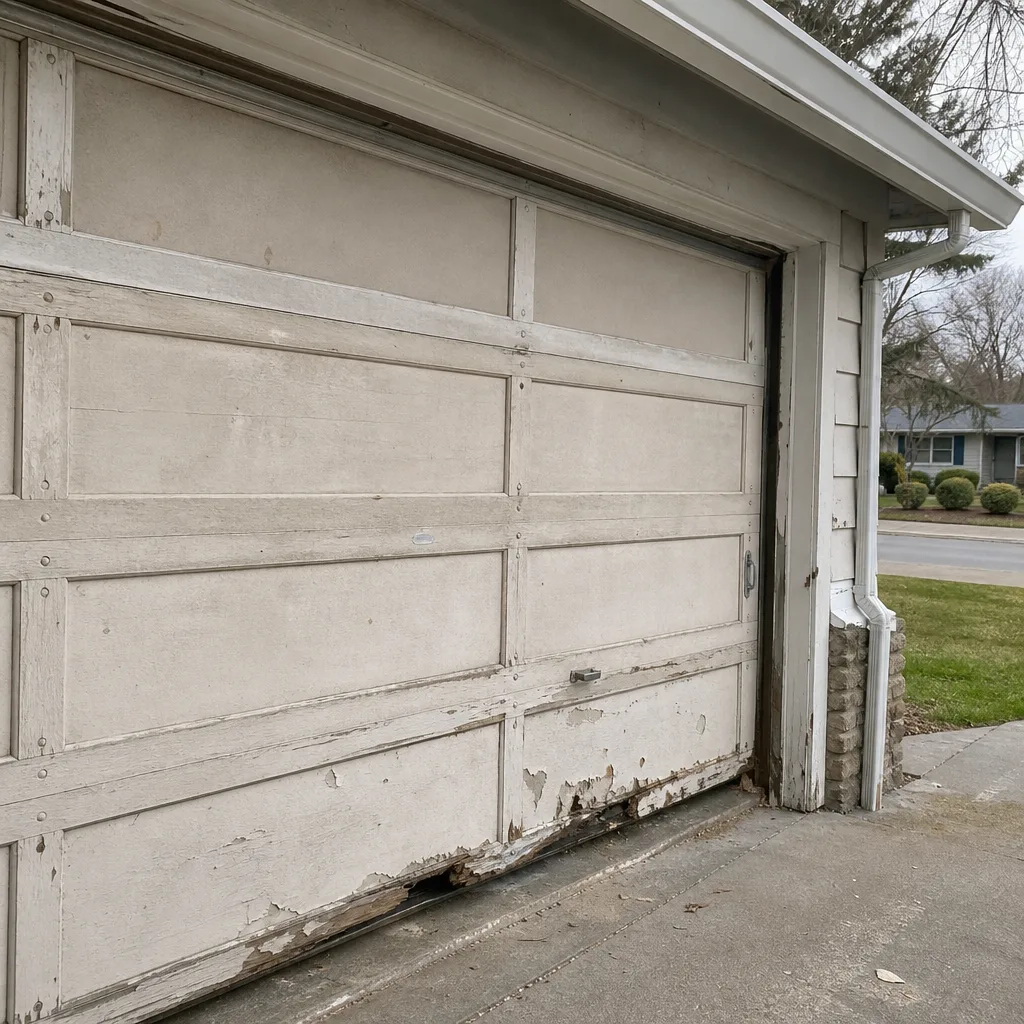 Before
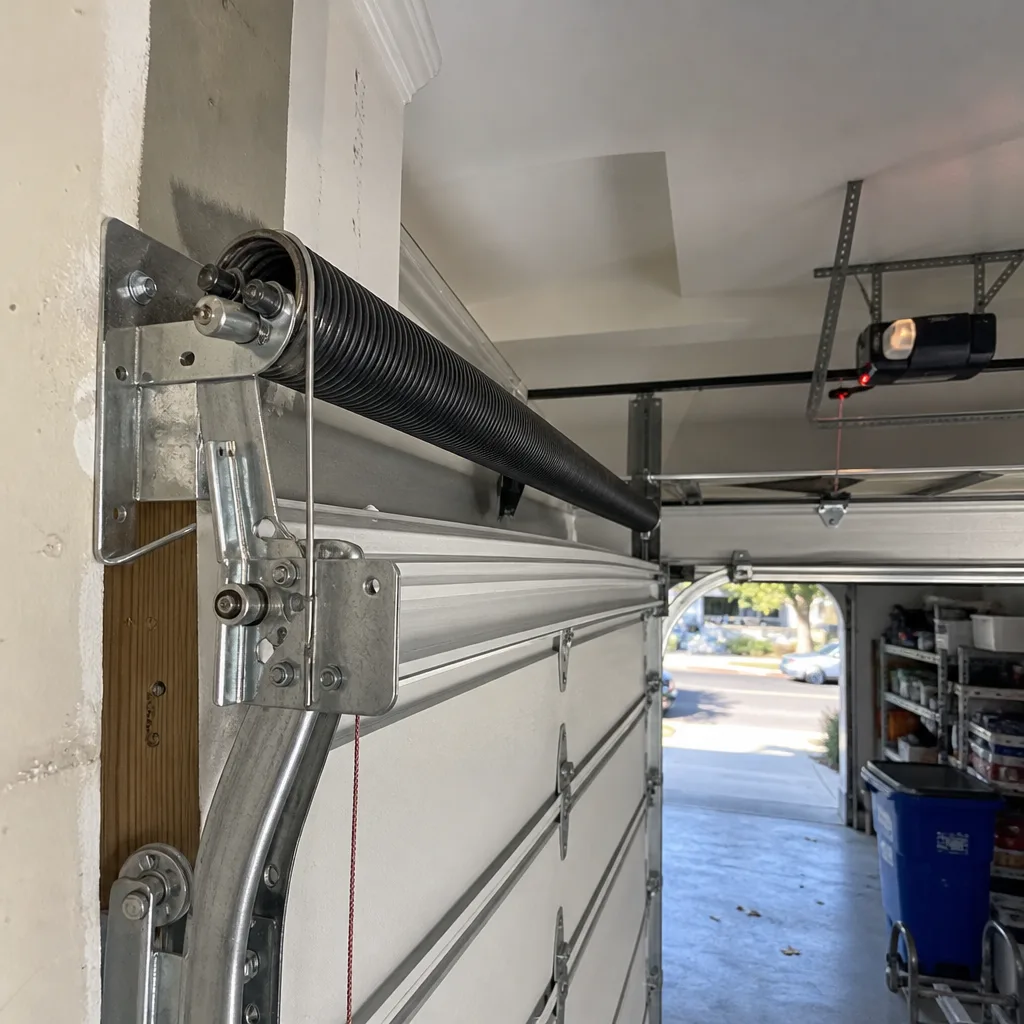 After
After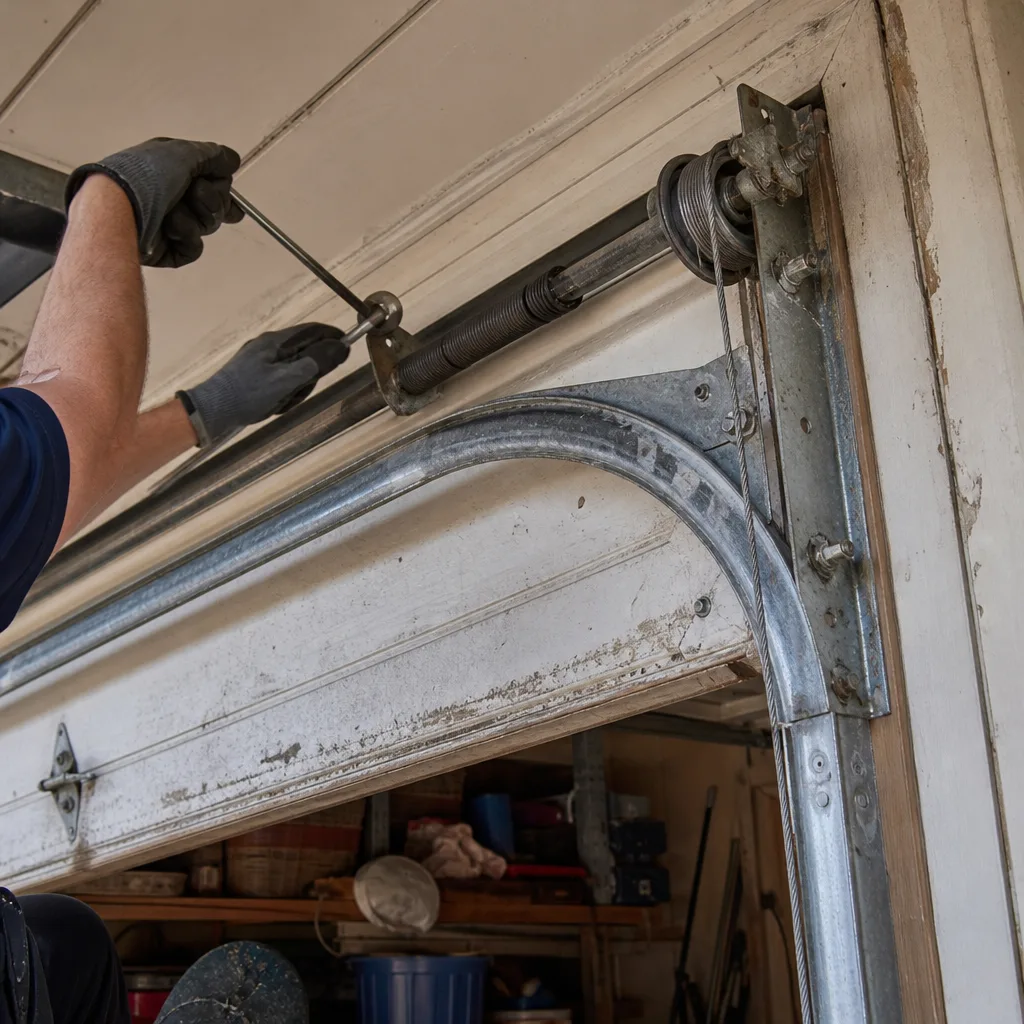 Before
 After
AfterWhen to Call a Professional
Some garage door work is safe to handle yourself: replacing weatherstripping, tightening loose hinge bolts, wiping down tracks to remove grime. But DIY vs professional garage door repair in Sacramento is a decision where anything involving springs, cables, or track realignment belongs with a trained technician. The tension in a torsion spring is enough to cause serious injury, and a misaligned door can drop without warning. If your door won’t open, makes a loud snap sound, hangs unevenly, or has visible fraying on the cables, stop using it and call. Fernbrook Garage Doors Sacramento offers free estimates in Sacramento, and our technicians are background-checked, uniformed, and trained on eight major brands including LiftMaster, Chamberlain, Genie, Clopay, Amarr, Wayne Dalton, Craftsman, and Raynor. Call (279) 236-2640 and a live person will answer, 24 hours a day, 7 days a week.
Frequently Asked Questions
Most Sacramento garage door repairs run between $120 and $350 depending on the issue. Spring replacement, the most common repair, is $250 to $380 for a pair. Opener replacement is $400 to $750 installed. Fernbrook Garage Doors Sacramento provides a written price before any work starts, so you’ll know the exact cost before we begin. Call (279) 236-2640 for a free estimate on your specific repair.
Torsion springs in Sacramento typically last 7 to 10 years, with homes on the west side of the city, where garages catch intense afternoon sun, trending toward the shorter end. Heat accelerates metal fatigue, which is why spring replacement is slightly more frequent here than in coastal California cities.
You can, and we recommend you don’t. The remaining spring has the same age and cycle count as the one that snapped, so it will fail soon. Replacing both at once costs less overall, keeps the door balanced, and avoids a second emergency call within months. For the full explanation, see our Garage Door Spring Repair in Sacramento page.
It depends on how you use the garage. An insulated door with an R-value of 12 to 17 makes a significant difference if there’s a bedroom above the garage, a workshop inside, or a home gym. For a detached garage used only for parking, insulation is less critical and an R-8 to R-12 door is usually sufficient.
Yes. Fernbrook Garage Doors Sacramento serves the entire greater Sacramento area, including Natomas, Land Park, Curtis Park, Pocket, Greenhaven, Arden, East Sacramento, and the surrounding communities. Our technicians arrive with shoe covers, drop cloths, and a written price in hand, and a live person answers our phone around the clock.
For Sacramento homes, we most often install belt-drive openers from Chamberlain or Genie for their quiet operation, and LiftMaster for wall-mount applications where ceiling clearance is limited or the garage has been converted to living space. The right choice depends on door weight, noise tolerance, and whether you want features like battery backup or smartphone control. We’re glad to walk through the options on a free estimate call.
The Bottom Line
Your garage door is the largest moving assembly in your Sacramento home, the single biggest visual element on your front elevation, and a mechanical system that works hard every single day in a climate that punishes cheap materials and skipped maintenance. The three decisions that matter most are material, insulation level, and opener type. Get those right and the door will serve quietly for two decades. Ignore the springs and weatherstripping, and you’ll be calling for emergency service in July when the door refuses to open. Sacramento’s combination of 100°F summers, tule fog winters, and HOA density means a garage door is not a set-it-and-forget-it purchase. It’s a home system with a lifespan, and a little attention now prevents a lot of expense later. For more guides & resources, explore our blog, or if something feels off with your door, call (279) 236-2640. A live person answers, the price is written before work begins, and the technician leaves shoe covers on the floor, not footprints.
Written by Jesse Calder, Owner at Fernbrook Garage Doors Sacramento, serving Sacramento since 2002.