
Last updated October 17, 2026
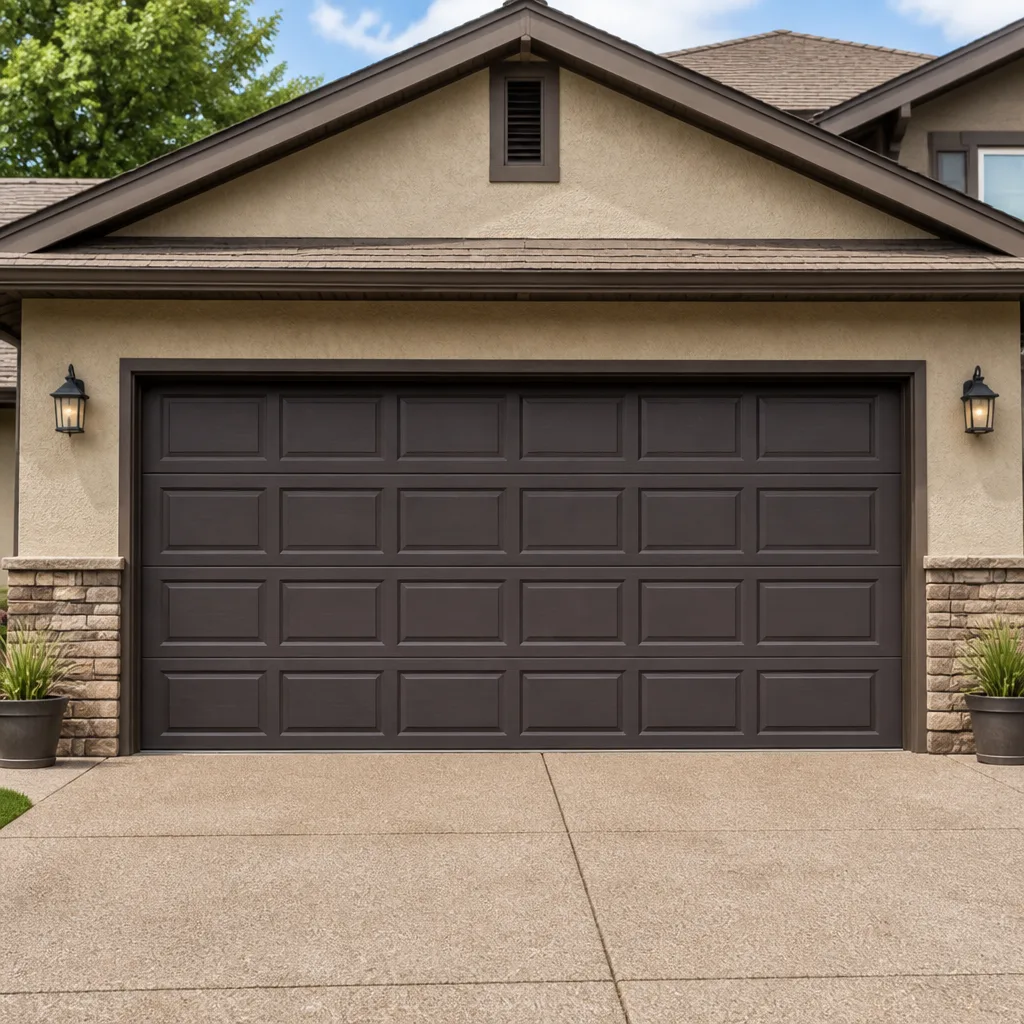 Raised-panel steel
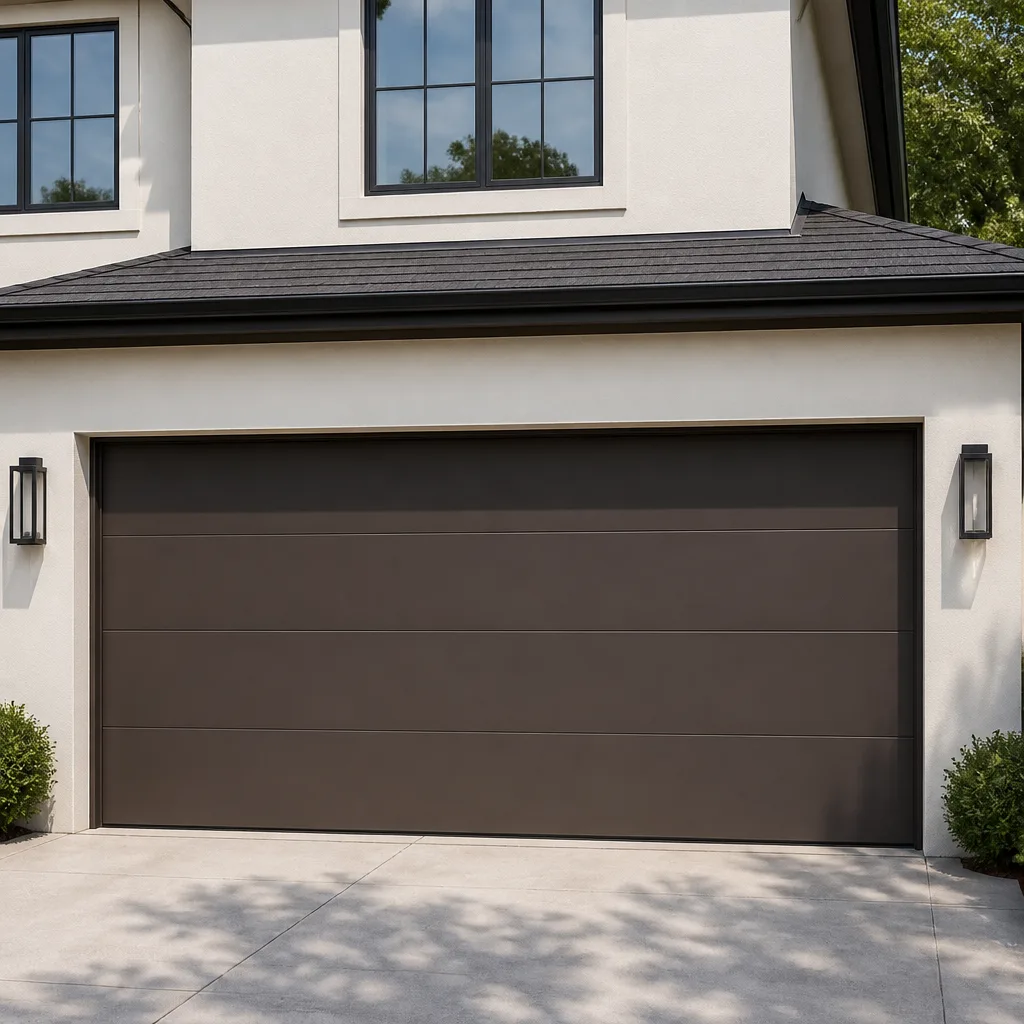 Modern flush
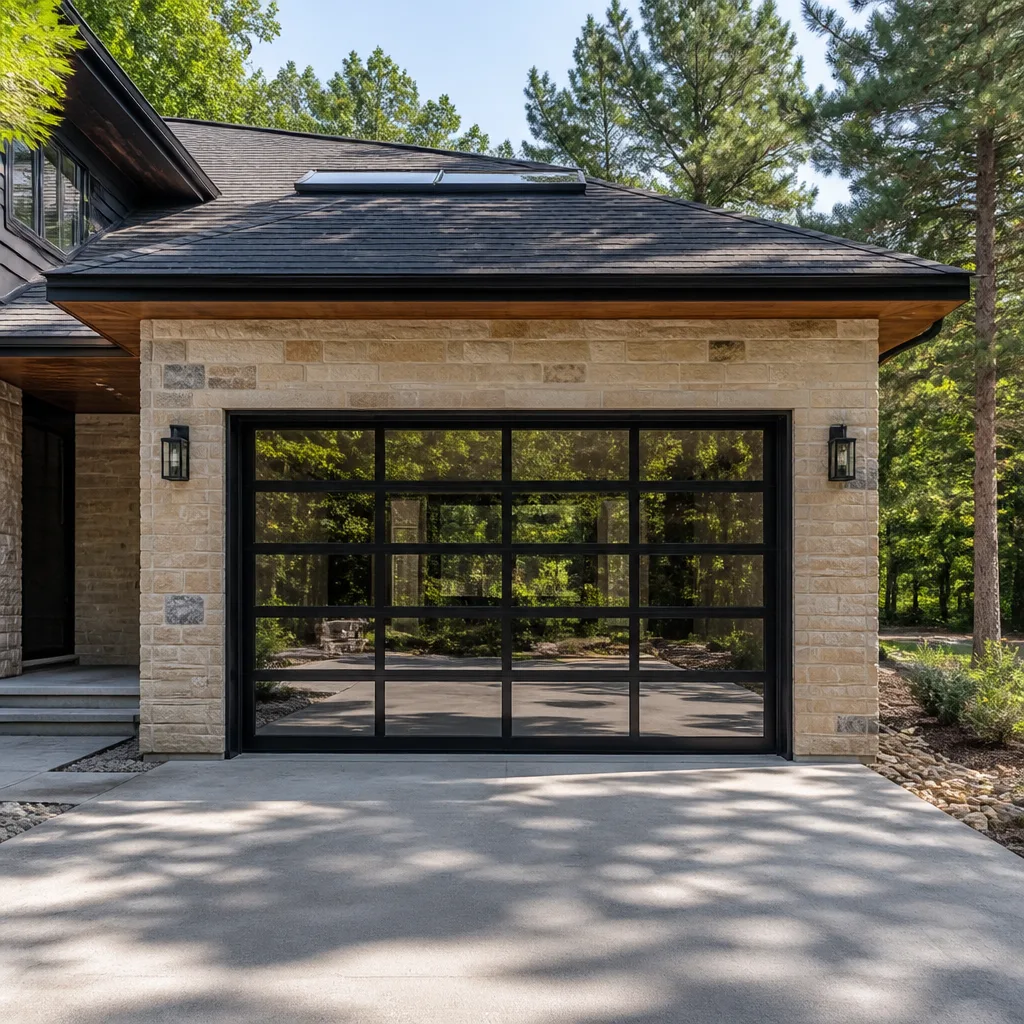 Full-view glass
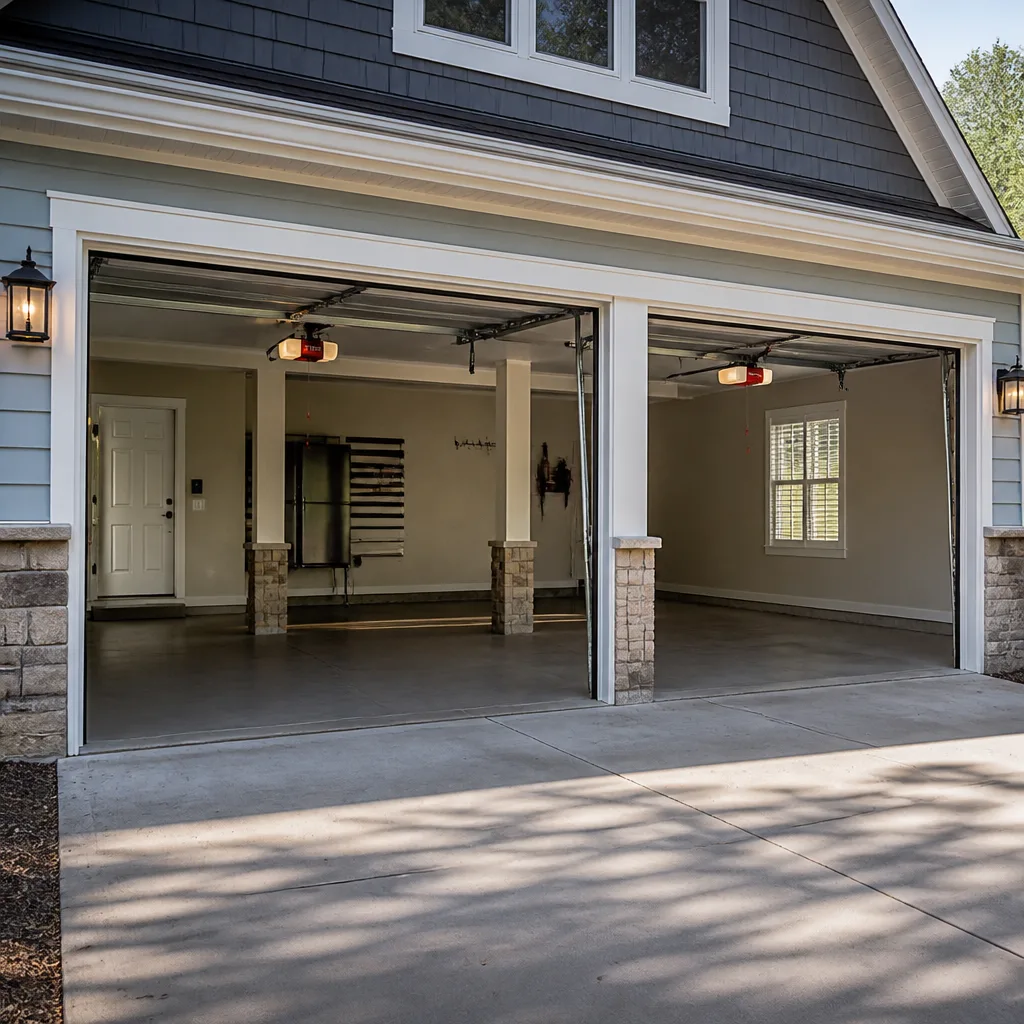 LiftMaster openers
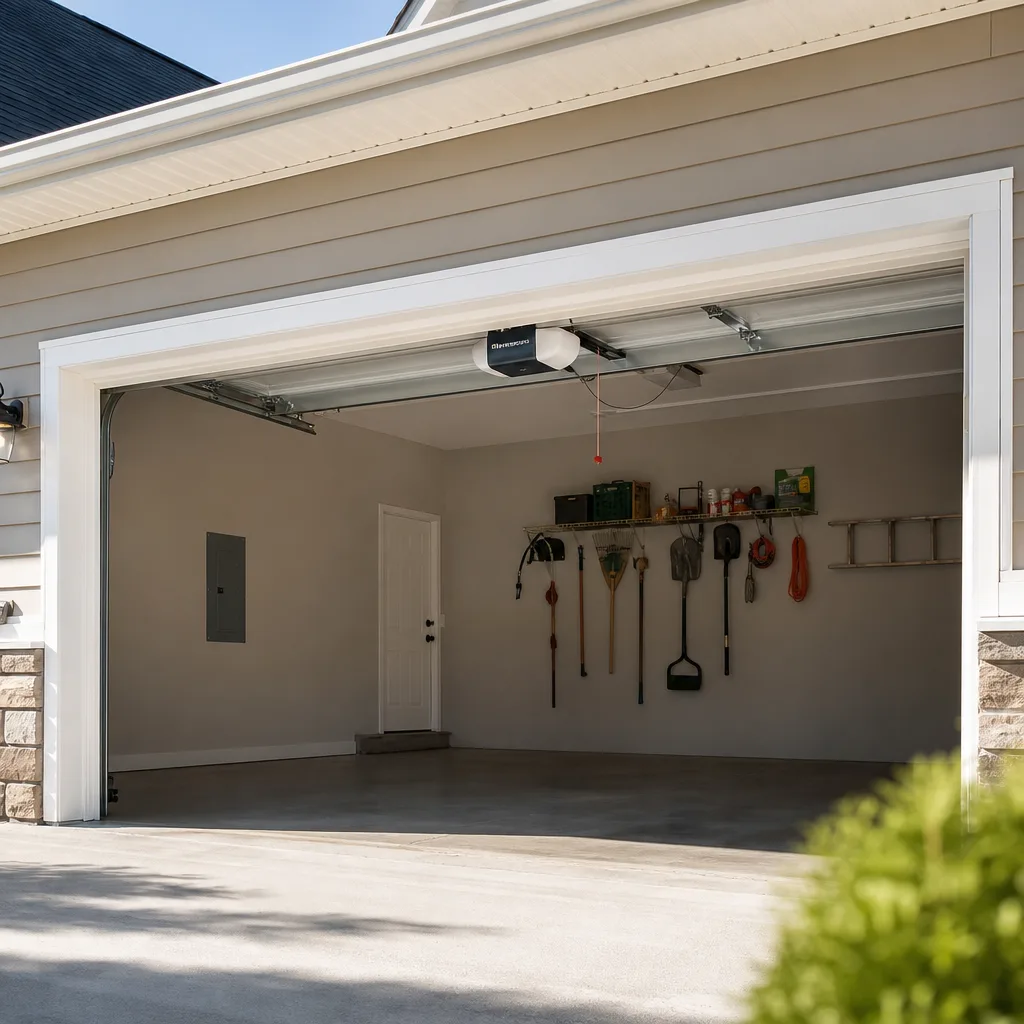 Chamberlain openers
Full 25-point door and opener safety check with every visit - springs, cables, rollers, tracks, and your LiftMaster or Chamberlain opener included
You get a price before we start. It does not change when the truck arrives.
Get your free estimateGarage Door Repair Maintenance Checklist for Sacramento Homeowners
Of the garage door spring failures Fernbrook technicians respond to in Sacramento, the majority show clear warning signs that appeared weeks or months before the door stopped working: visible rust at the coil ends, uneven cable tension, a grinding sound on reversal, a door that starts to drift when released from the opener. The failure itself is almost never sudden. A maintenance checklist only helps if it’s looking at the right things, in the right season, with the right degree of caution. This guide is built from the patterns our technicians actually see across Sacramento, organized by what a careful homeowner can do themselves versus what requires our Garage Door Repair services and a trained hand with a torsion bar cradle.
Quick Answer
A complete Sacramento garage door maintenance routine has five seasonal tasks a homeowner can safely do (lubricate rollers and hinges with heat-rated lubricant before May, test auto-reverse sensitivity monthly, inspect weatherstripping after the dust-heavy months, check cables by eye, log every observation) and four tasks that should always be left to a trained technician (torsion spring replacement, cable replacement, track realignment, opener rail tension adjustments). In our Sacramento service area, a door that gets this level of attention typically outlives the average by five to seven years before any major component needs replacing.
Styles & brands we work with
Table of Contents
- The Homeowner-Safe Checklist: 7 Tasks You Can Do This Weekend
- Leave This Alone: 4 Tasks That Belong to a Technician
- Sacramento Timing: When to Do Each Task (and Why the Season Matters)
- How to Test Auto-Reverse Sensitivity the Correct Way
- Sacramento Dust, Heat, and Your Weatherstripping
- The Garage Door Log: What to Record and Why It Matters at Resale
- Products That Hold Up in Sacramento Heat (and Ones That Gum Up)
- Common Mistakes to Avoid
- When to Call a Professional
- Frequently Asked Questions
The Homeowner-Safe Checklist: 7 Tasks You Can Do This Weekend
We’ve organized this list by what a homeowner can genuinely handle without special tools or risk of injury. Each task takes minutes, costs almost nothing, and prevents the failure patterns we see most often in garage door repair calls across Sacramento. None of these require you to touch a tensioned spring, and we’ve noted the one task where you should stand clear even while checking.
- Lubricate the rollers, hinges, and bearing plates: Apply a heat-rated silicone or lithium spray to the metal rollers (not nylon roller wheels, which need no lubricant), hinge pins, and the bearing plate above the spring line. You’ll hear the door quiet down immediately if lubrication was the issue.
- Test the balance: Pull the emergency release cord with the door closed. Lift the door manually to waist height. It should stay put. A door that drifts up or slams down has a spring tension problem – do not attempt to adjust it yourself.
- Check the auto-reverse: Place a 2×4 flat under the door’s path and close it. The door should reverse within two seconds of touching the board. We detail the full test below.
- Inspect cables by eye only: Look at the cables running from the bottom brackets up to the drum. You’re checking for frayed strands, rust, or uneven coiling on the drum. If you see any of those, the cable is near failure. Step away and call a technician.
- Clean the tracks: Wipe the vertical tracks with a dry cloth. Do not lubricate tracks. Grease in the track attracts Sacramento dust, which turns to sludge by July.
- Test the photo eyes: With the door open, place a paper towel roll in the path of the beam and press the close button. The door should not close. Check that both eyes are aligned and their lenses wiped clean of dust.
- Listen for changes: Open and close the door twice. Note any new grinding, popping, or grinding-on-reversal sounds in your log. A consistent rhythm that changes over time is a warning sign that appears weeks ahead of most spring failures.
Each of these takes five to ten minutes. Done together, they’re a 90-minute Saturday project with a coffee break in the middle. The point is consistency: a door that gets this routine every quarter is a door that rarely surprises anyone in the middle of a Sacramento August morning.
Leave This Alone: 4 Tasks That Belong to a Technician
Here’s the honest part of any maintenance guide: there are tasks on a garage door that are safe for a homeowner, and there are tasks that have killed experienced professionals. The line between them is not always obvious from the outside. A torsion spring, for example, stores between 130 and 180 pounds of torque in its wound state. When it releases unexpectedly – from a slipped winding bar or an improvised tool – that energy transfers instantly. Our technicians have seen the aftermath of do-it-yourself spring attempts in every corner of Sacramento. It’s never worth the risk.
Task 1: Torsion spring replacement or adjustment
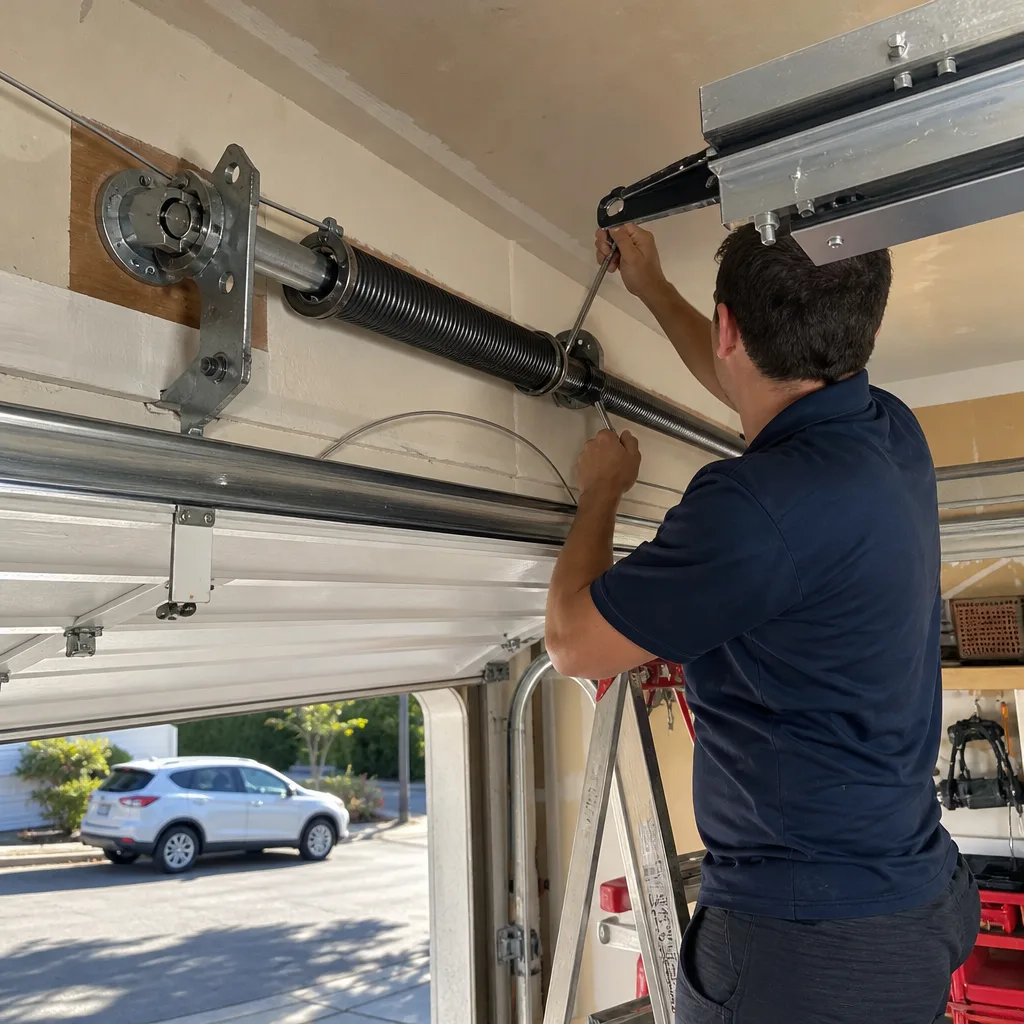
A torsion spring is wound to match the exact weight of your door. Adjusting it requires knowing the door weight, the spring wire gauge, and the correct number of quarter-turns for your specific spring’s dimensions. Getting any of these wrong leaves the door dangerously out of balance, even if it opens once. Getting the winding bar placement wrong can release all stored energy at once. If your door is drifting, slamming, or the spring is visibly rusted, leave it alone and call a Sacramento spring specialist. The inspection is the safe part. The repair is not.
Task 2: Cable replacement
Cables carry the same tension as the spring when the door is up. They run through pulleys and around drums with sharp edges that can fray a cable over time. A frayed cable can snap without warning, and the recoil has enough force to blind or lacerate. You can inspect cables by eye. You cannot safely replace them without releasing spring tension first – which is a technician’s job.
Task 3: Track realignment or bolt tightening
Garage door tracks in Sacramento garages are often mounted to wood framing that expands and contracts through our dry-wet-dry seasons. A track that’s out of alignment will bind the rollers, which puts uneven load on the spring and cables. Realigning a track seems simple: loosen the bracket, tap the track, retighten. The risk is that the track is under tension from the door’s weight when the door is closed. If you loosen the wrong bolt at the wrong height, the door can shift and pin you. Let a technician handle anything that requires removing or loosening the track brackets.
Task 4: Opener rail and chain/belt tension
Openers use either a chain or a belt on a rail above the motor. When that belt or chain sags, the door jerks or hesitates mid-travel. Adjusting tension means working above your head with the opener powered, and over-tightening a chain or belt can snap it and send the rail crashing down. This is a specific repair we handle during installation and repair calls across the city, with the rail properly supported before any adjustment is made.
The rule we give every homeowner: if a part stores tension, moves under power, or sits above your head with the weight of the door attached, it’s a technician task. The money you save doing it yourself is never worth the injury that’s one slip away. Fernbrook’s written-price policy means you know the cost before you agree to anything – and an inspection costs nothing to schedule.
Sacramento Timing: When to Do Each Task (and Why the Season Matters)
Sacramento has two seasons that matter for garage door maintenance, and they’re not the ones a national checklist would name. We don’t prepare for ice storms here. We prepare for 105°F heat that melts cheap lubricant, and for the dust that settles on every horizontal surface from June through October.
The critical window for lubrication is April, before the summer heat arrives, not after. A good heat-rated silicone spray applied in April holds up through the worst of July and August. The same product applied in late June to a door already coated in dust just creates a paste. We’ve seen Sacramento doors in Land Park, East Sacramento, and Pocket-Greenhaven where the rollers were so gummed up by July that the opener was straining against its own hardware.
Weatherstripping needs attention twice: once in late fall to check for cracks after the first big dust season, and once in early spring to check for damage from winter rain. The bottom seal on a Sacramento garage door takes direct sun in the afternoon on west-facing homes, and that UV exposure dries out the rubber in three to five years. A cracked bottom seal lets in dust in summer and rodents in fall – both problems we see across the county.
The auto-reverse test is monthly, year-round, with one Sacramento-specific note: test it after any major temperature swing. Heat expands the metal in the opener’s travel mechanism enough to change reverse sensitivity by a few pounds of pressure. A door that passed the test in March can fail it in August. That change matters most for households with small children or pets.
How to Test Auto-Reverse Sensitivity the Correct Way
Auto-reverse is the safety system that stops and reverses your garage door when it hits something on the way down. Federal safety standards and California building code require two separate reverse functions on every opener manufactured after 1993: a mechanical reverse that triggers on contact with an object, and a photoelectric reverse triggered by the beam across the door opening. Testing both correctly takes five minutes and a 2×4.
The mechanical reverse test
- Place a flat 2×4 (the 2-inch side facing up) on the floor directly under the center of the door’s path.
- Close the door using the wall button.
- The door should contact the board and reverse to the fully open position within two seconds of contact.
- If the door does not reverse, or takes longer than two seconds, the opener’s force setting needs adjustment or the opener needs service.
The photo eye test
- With the door open, place a paper towel roll or similar object in the path of the beam, on either side.
- Press the close button. The door should not begin closing at all.
- Wave your hand through the beam while the door is closing from the open position. The door should reverse immediately.
- Check photo eye alignment: both lenses should face each other with no visible gap in the beam. Most openers have a small LED that stays solid when aligned and blinks when out of line.
California building codes also require that photo eyes be mounted no higher than 6 inches above the garage floor. If your photo eyes are higher than that – we still see this on older doors in some mid-century Sacramento garages – they will not detect low objects or animals in the door’s path. That’s a code violation and a safety issue, and it’s one of the simplest fixes a technician can make during a routine visit.
The pressure-sensitivity setting is the one part of this system we recommend leaving alone. Most openers made by LiftMaster, Genie, and Chamberlain have two dials on the back or side of the motor housing: one for up-force, one for down-force. Turning the down-force dial too high will make the door pass the 2×4 test but fail in the real world, where the resistance is a child’s foot, not a block of wood. If your door fails either test, call us before adjusting anything. The correct fix is a calibrated setting, not a guessed one.
Sacramento Dust, Heat, and Your Weatherstripping
Weatherstripping is the least glamorous part of a garage door and the one that affects your home in ways that have nothing to do with the door. A dried-out bottom seal lets dust, leaves, and hot air into the garage. In Sacramento’s summer, that hot air seeps into any rooms above or beside the garage, which forces the AC to work harder. In the fall, the same gap is an open invitation for rodents moving in from outside. We’ve replaced bottom seals in North Sacramento where the old seal had crumbled into chunks, and the homeowner’s energy bill dropped noticeably the next summer.
Inspect your bottom seal by running a hand along the inside edge while the door is closed, at floor level. You’re feeling for gaps, cracks, or brittleness. The seal should feel slightly pliable, not hard. If you see daylight under the door in the middle but not at the edges, the seal is compressed or the floor has settled. Both are common in Sacramento’s clay-heavy soil, which swells during winter rain and shrinks in summer, shifting slabs by fractions of an inch over years.
Side and top weatherstripping take less abuse but still dry out in the heat. Run your finger along the inside of the side seals and look for any point where the seal pulls away from the track or jamb. A one-inch gap at the top corner is all it takes for wasps to build a nest in the upper track – a Sacramento-specific problem that shows up in our service calls every spring.
Replacing the bottom seal is a job many homeowners can do themselves. The retainer channel that holds the seal either slides out from the side of the bottom panel or unscrews, depending on the door brand. Amarr, Wayne Dalton, and Clopay doors all use slightly different retainers, so match the new seal to the existing channel rather than buying a universal bulb seal and hoping it fits. If you’re unsure, snap a photo of the old seal’s profile and bring it to any garage door supply counter, or text it to us and we’ll identify it. The wrong seal will fall out on the first close.
The Garage Door Log: What to Record and Why It Matters at Resale
Most Sacramento homeowners buy a home with a garage door and never think about that door again until it stops opening. The door has no service history, no record of parts replaced, no note that the spring was replaced in 2019 or that the opener was new in 2021. Then the door fails, and the homeowner doesn’t know if they’re looking at a $180 spring or a $1,200 opener replacement.
A simple log fixes that. Keep it in a plastic sheet protector taped to the inside of the garage door or on the wall beside the opener. One page is all you need.
- Date, what was done, who did it, parts replaced, cost.
- Spring replacement date and an approximate cycle rating: Springs are rated in cycles (one cycle = one open and close). Standard springs last roughly 10,000 cycles, which is 7 to 10 years of average use. Knowing when your spring was installed tells you when the next one is due – before it fails.
- Opener install date and model number: Opener warranties vary by model. A LiftMaster with a lifetime motor warranty has different coverage than a basic Genie.
- Lubrication dates: Quarterly, April being the critical one. Note the product used.
- Any odd sound you noticed and the date you noticed it: We’d rather hear about a noise in March than be called for a dead spring in July.
At resale, this log is the kind of documentation that makes a Sacramento listing stand out. It shows the next owner exactly what they’re buying, which in a market where inspectors often skip the garage door entirely, is more than most homes offer. We’ll even fill in the log during our service visits when you ask, with the part numbers written out legibly.
Products That Hold Up in Sacramento Heat (and Ones That Gum Up)
Silicone-based lubricants for garage door hardware are the right choice in Sacramento because they stay stable up to 450°F and do not attract dust the way oil-based products do. A silicone spray applied to hinges, rollers, and bearing plates in April will still be performing in August. Lithium grease is a decent alternative, but it’s a wetter product and our heat turns it tacky. We see doors in Rosemont and Tahoe Park where well-meaning homeowners used WD-40 – which is a solvent, not a lubricant – and the door ran dry and loud within a month.
Avoid any lubricant that drips. A dripping petroleum product off the rail will land on your car hood, and in a 103°F garage, that drip bakes into the clear coat. The cleaner products leave a dry film that does not run. For nylon rollers, skip lubrication entirely. The nylon wheel runs on a sealed bearing that needs no added product, and spraying it just creates a film that gathers dust.
The brands we trust in this heat are the ones we install every week: Fernbrook Garage Doors Sacramento home carries full parts kits for LiftMaster, Genie, and Chamberlain openers, and our technicians are trained on Clopay, Amarr, and Wayne Dalton door hardware from the rail to the spring. Manufacturers don’t design their doors for one specific climate, which means the products you choose matter more in Sacramento than in a coastal market where temperatures stay mild.
Common Mistakes to Avoid
- Using WD-40 as a garage door lubricant: WD-40 is a solvent and rust inhibitor, not a long-term lubricant. It cleans the hinge pin, then dries out, leaving the metal running metal-on-metal. Use a heat-rated silicone spray instead.
- Lubricating the track: Tracks need to stay dry and clean. Grease in the track catches dust from Sacramento’s summer air and turns to grinding paste by July. Wipe, don’t spray.
- Ignoring a noisy door because it still opens: The grinding sound during reversal is often the first audible sign that a spring or bearing plate is wearing. That sound in March is a $200 fix. The same sound ignored until June can be a $500 repair with an emergency dispatch.
- Adjusting spring tension with vice grips and a screwdriver: Torsion springs are not adjusted with improvised tools. The winding cone and rods are designed to specific dimensions for a reason. One slip releases enough force to break bone.
- Replacing weatherstripping without checking the retainer style: Universal seals rarely fit. A seal that falls out of the retainer on the first cycle is wasted money and a trip back to the hardware store.
- Skipping the photo eye test because the mechanical reverse works: The photo eye is the only reverse mechanism that protects against a person or pet under a closing door. Test it monthly, not once a year.
- Leaving the ladder stored against the garage door tracks: Sacramento garages are tight, and the track is often the default ladder spot. A leaning ladder bends the track gradually, which then binds the rollers and puts uneven load on the springs. Store ladders flat against a wall or hanging from hooks.
When to Call a Professional
Call a technician when the inspection finds any of these: visible spring rust, frayed cable strands, a door that drifts when released, a door that fails either auto-reverse test, a track with a visible bow or gap, or an opener that makes any sound you haven’t heard before. These are not negotiations. Each one is a mechanical problem that will get worse, not better, and several of them involve stored tension that’s genuinely dangerous to release.
Fernbrook Garage Doors Sacramento offers free estimates in Sacramento – call (279) 236-2640. Every visit starts with a written price before any work begins, and an inspection costs nothing to schedule.
Frequently Asked Questions
Lubricate every three months, with the crucial application in April before summer heat arrives. A heat-rated silicone spray applied in April holds up through August. Skipping the April window means applying lubricant to already-dusty hardware, which creates paste, not protection. Call (279) 236-2640 if you’d like us to handle the seasonal maintenance during a free estimate visit.
Spring failure, driven by two local factors: the dry summer heat that accelerates rust on older springs, and Sacramento’s hard water from irrigation overspray that mineralizes the coil ends. Most spring failures show warning signs – rust, uneven door movement, a grinding sound – before the final break. We replace more springs in July and August than any other months.
No. Torsion springs hold 130 to 180 pounds of stored torque in their wound state, and releasing that energy through an improvised tool is how serious injuries happen. Garage door spring repair in Sacramento for a standard residential door typically runs $180 to $340 including parts, and our technicians do the job with the proper cradle and rods, not vice grips. The inspection is the part you can do. The replacement belongs to someone trained.
A full maintenance visit – lubrication, balance check, auto-reverse test, weatherstripping inspection, and a written report – typically costs $75 to $150 in Sacramento. Fernbrook’s written-price policy means you’ll know the exact number before any work starts. Call (279) 236-2640 for a free estimate and we’ll quote your door specifically.
Repair is the better choice when the door panels are structurally sound and the issue is a spring, cable, roller, or opener component. Replacement makes sense when panels are cracked from sun damage, the door is more than 25 years old, or you want insulation in a door that lacks it. Sacramento’s heat makes an insulated door worth the upgrade if your garage is attached to the house. We walk through both options during a free estimate.
Yes. Our technicians are trained on LiftMaster, Chamberlain, Genie, Clopay, Amarr, Wayne Dalton, Craftsman, and Raynor. Whether your door is a 30-year-old steel rail or a newer belt-drive opener, we stock the parts for most repairs on the truck. Call (279) 236-2640 and a live person will answer, day or night.
The Bottom Line
Garage door maintenance in Sacramento comes down to five homeowner-safe habits: lubricate quarterly with the April application being critical, test auto-reverse monthly, inspect weatherstripping after dust season, check cables by eye only, and write down everything in a garage log. Leave torsion springs, cables, track realignment, and opener rail tension to trained professionals. A door that gets this consistent attention will run quieter, last five to seven years longer, and rarely summon a 7 a.m. emergency on a 105°F August morning. For more guides & resources, visit our blog. Fernbrook Garage Doors Sacramento is here for the technician tasks, with written pricing and a live person on the phone any hour you call.
Written by Jesse Calder, Owner at Fernbrook Garage Doors Sacramento, serving Sacramento since 2002.
See the difference
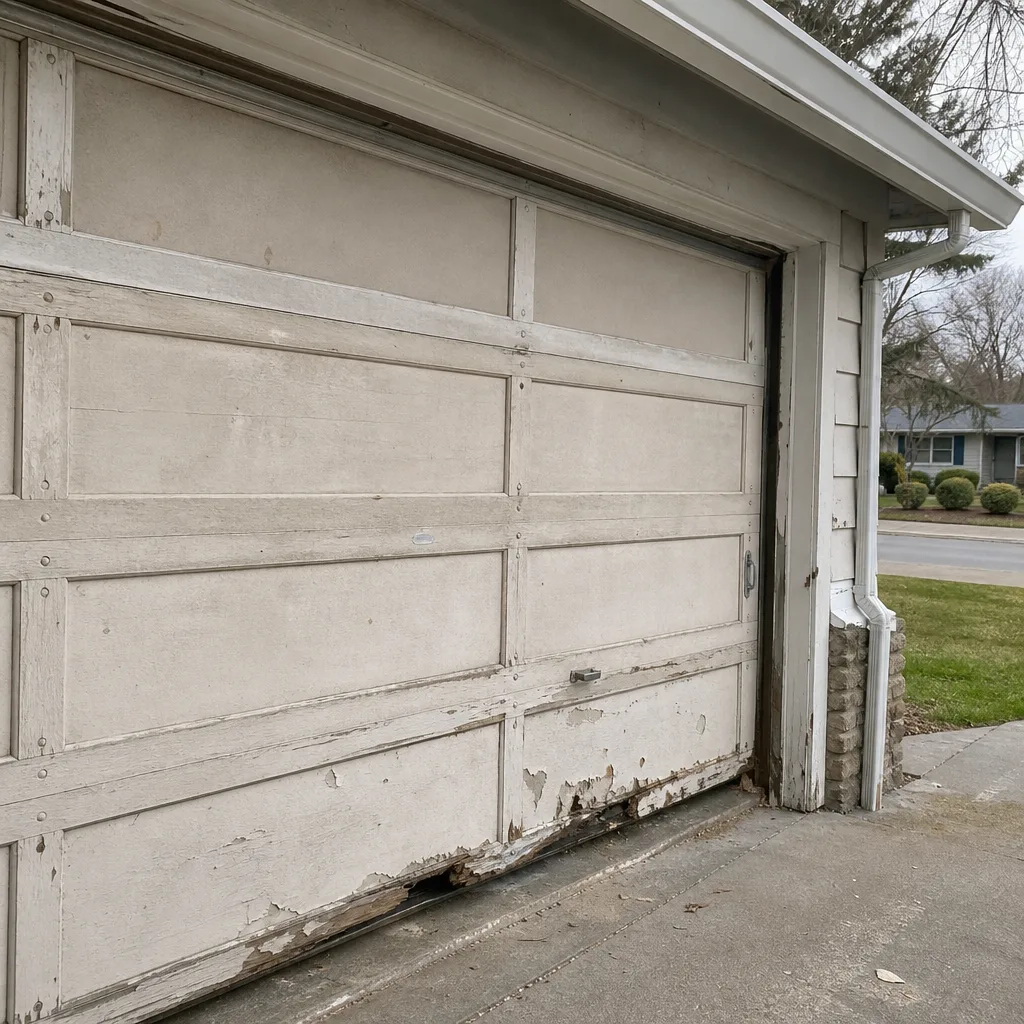 Before
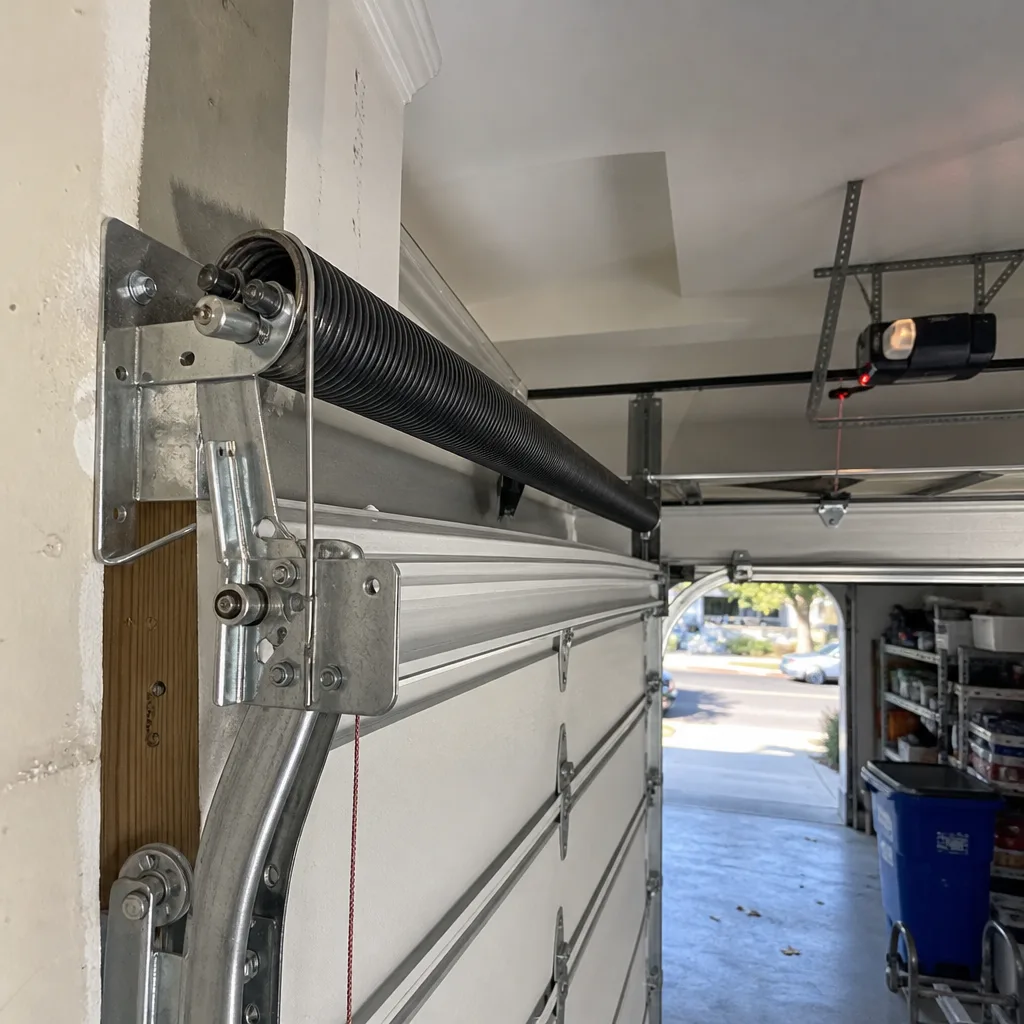 After
After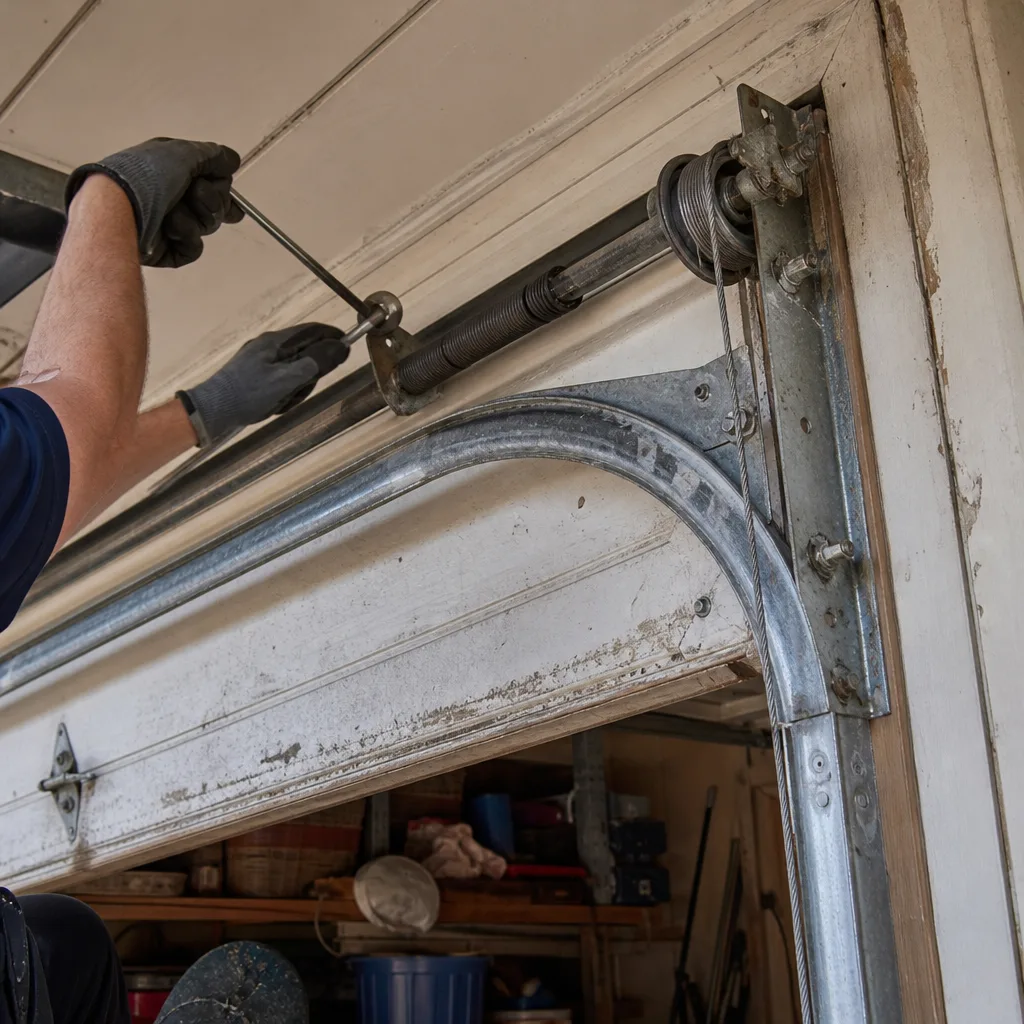 Before
 After
After