
Last updated October 17, 2026
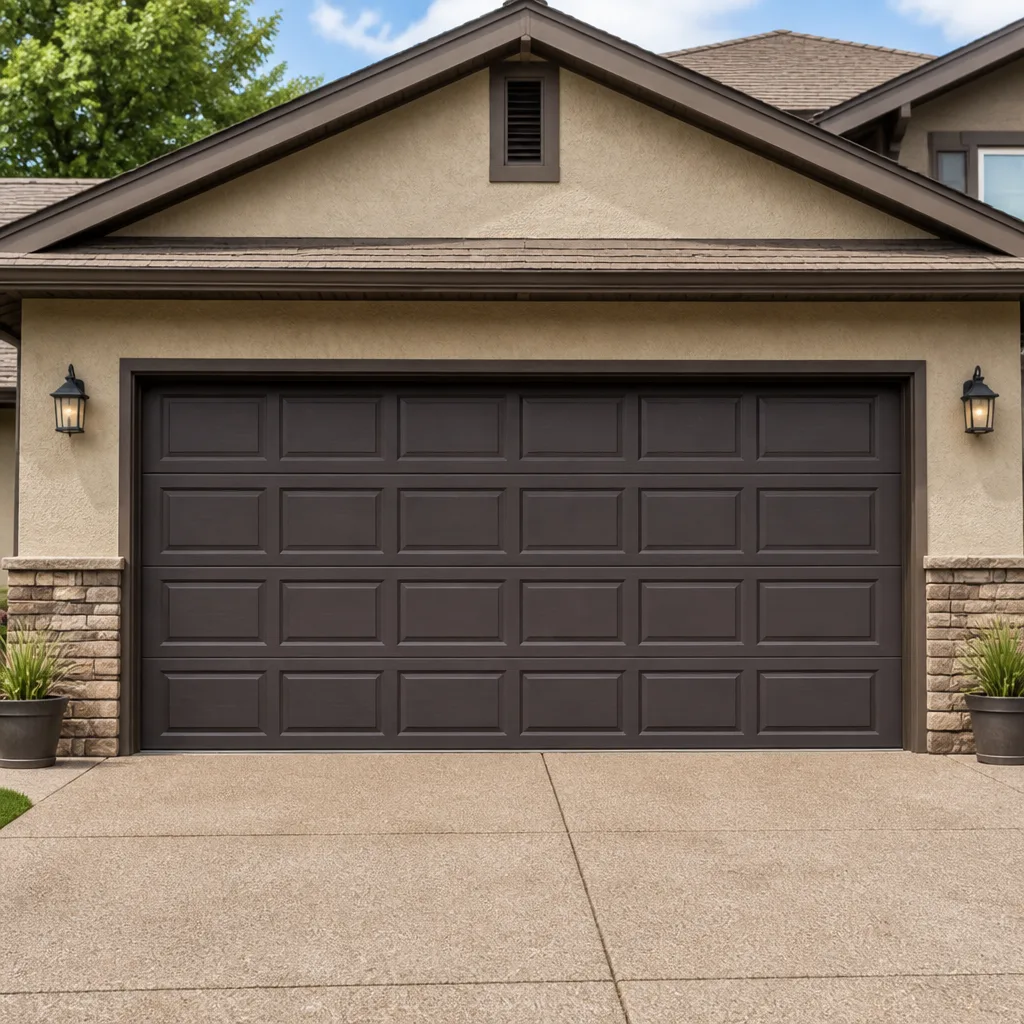 Raised-panel steel
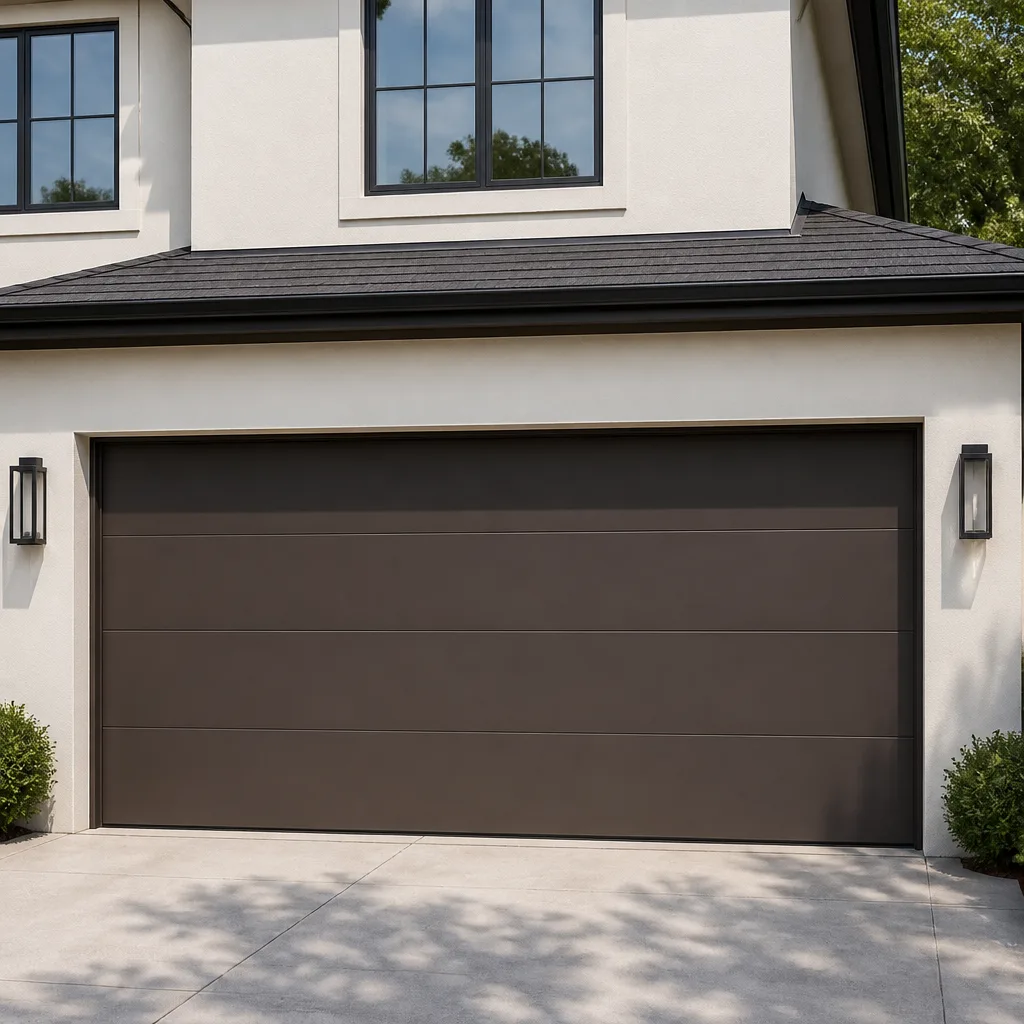 Modern flush
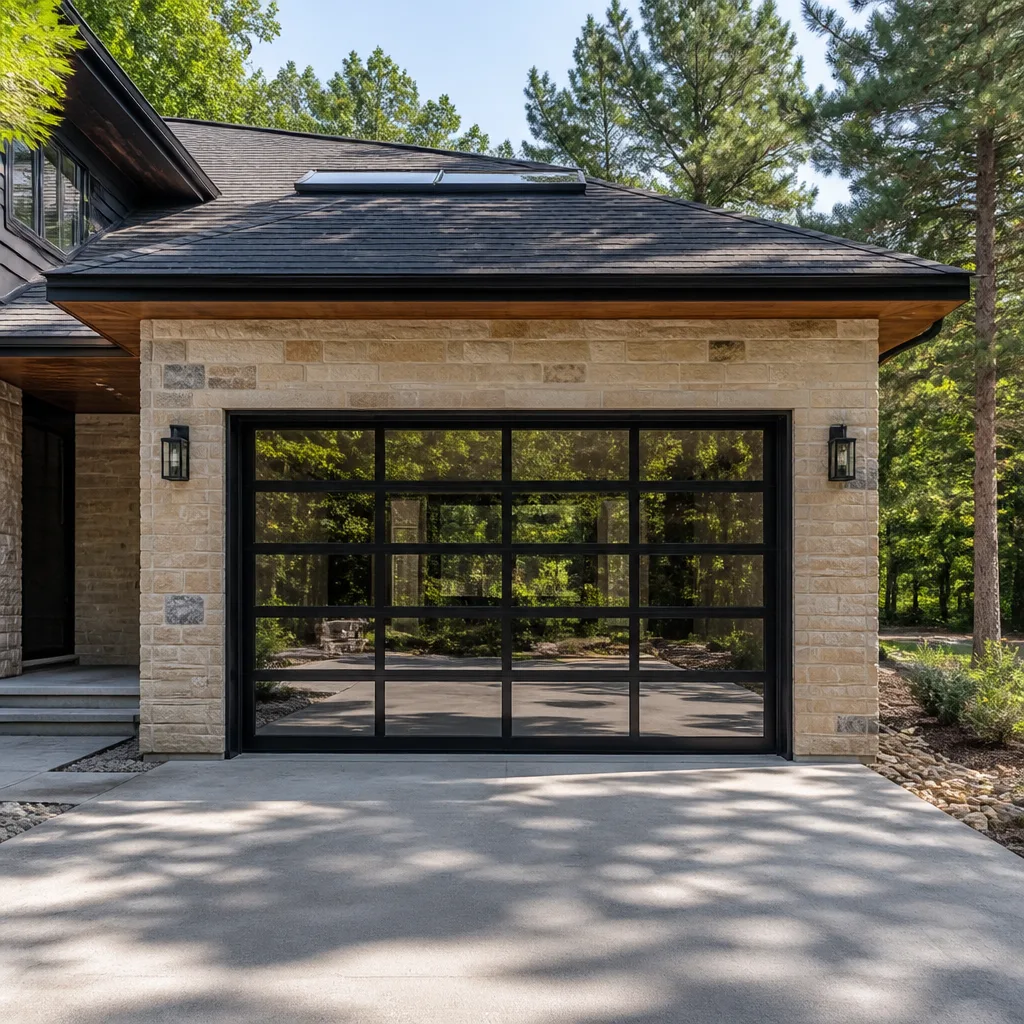 Full-view glass
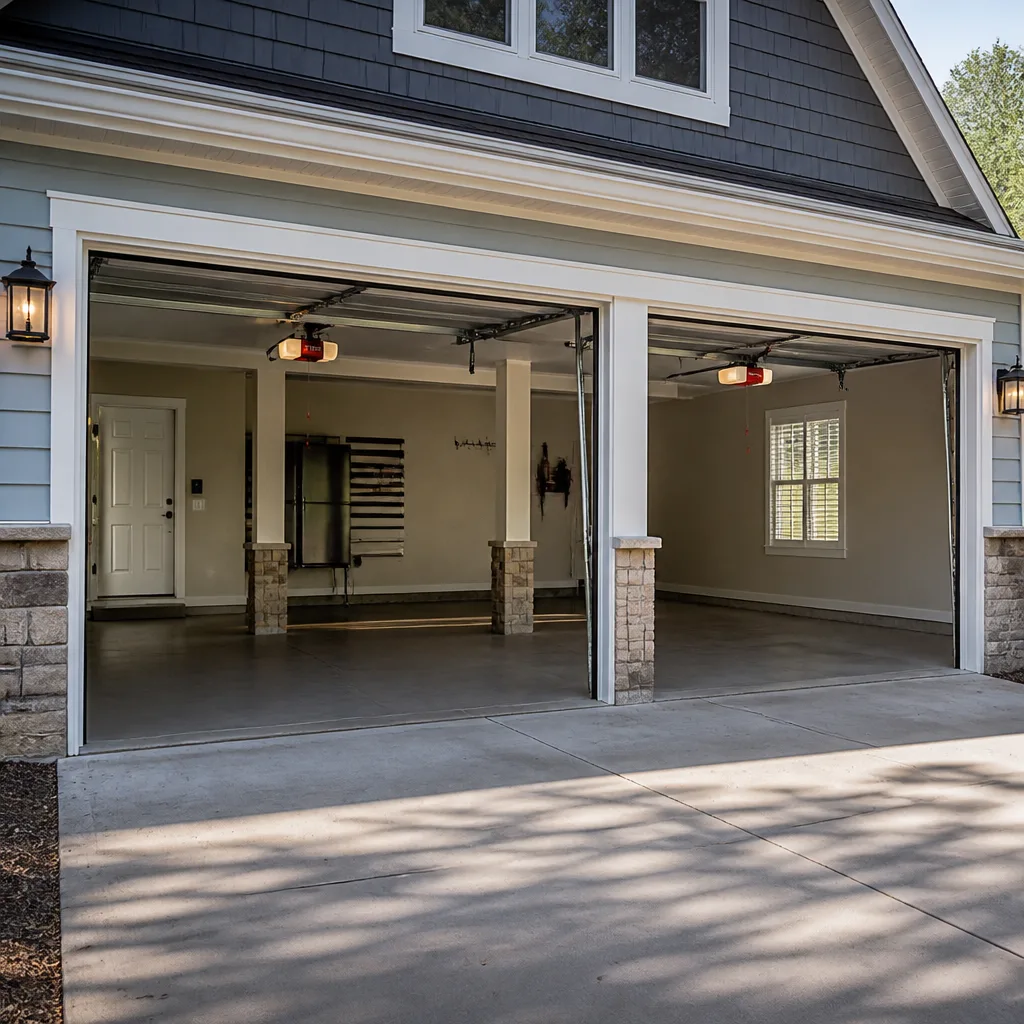 LiftMaster openers
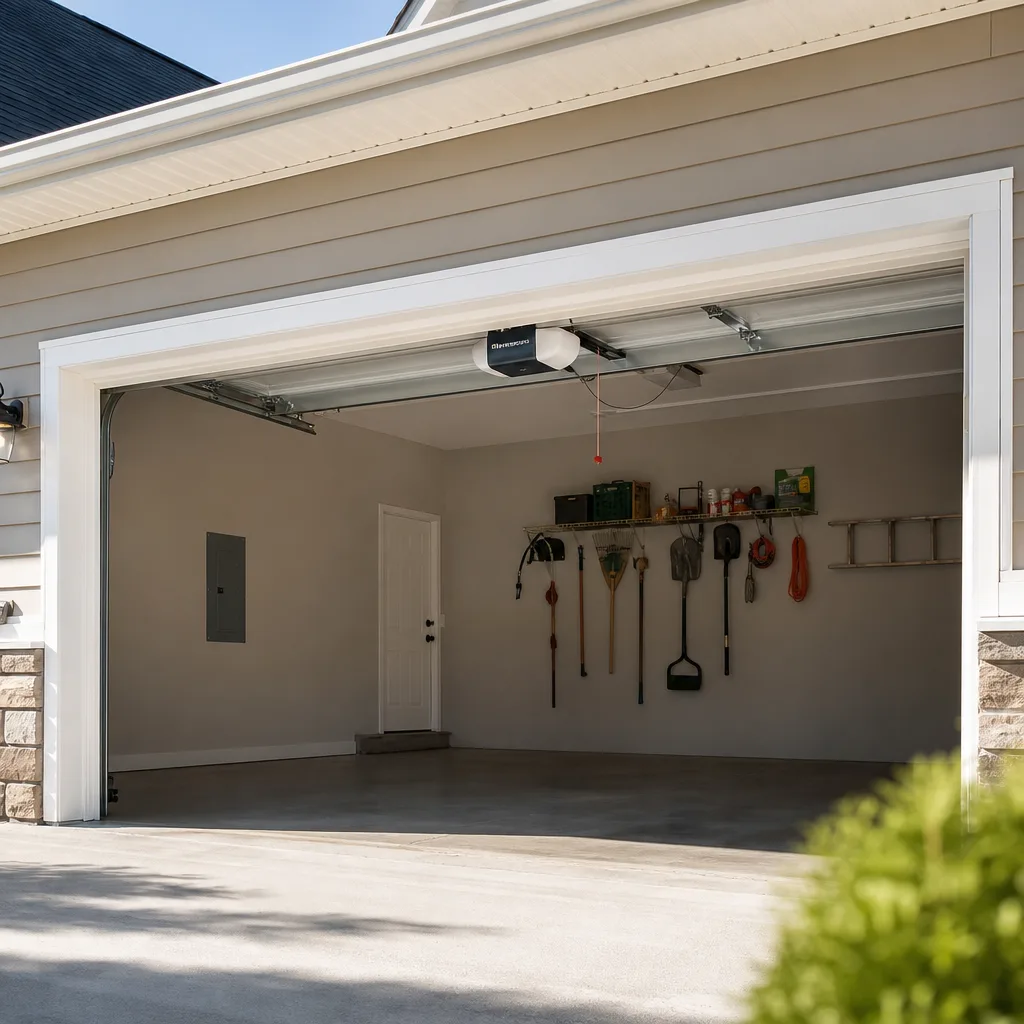 Chamberlain openers
Full 25-point door and opener safety check with every visit - springs, cables, rollers, tracks, and your LiftMaster or Chamberlain opener included
You get a price before we start. It does not change when the truck arrives.
Get your free estimateGarage Door Permits, Codes & Inspections in CA: What You Need to Know
Most Sacramento homeowners assume any garage door work triggers a permit. The reality is closer to the opposite. A spring replacement, panel swap, or opener repair rarely requires a building permit anywhere in California, including the City of Sacramento. But there is a specific, narrow list of jobs that do require one: new door installations, some opener replacements in older homes, and anything that touches the fire-rated wall between an attached garage and living space. Those permitted jobs are also the ones some contractors quietly skip, because a permit adds a day or two and an inspection visit. Here is precisely what Sacramento requires, what the inspector checks, and how the rules apply to your house.
Quick Answer
Most garage door repairs in Sacramento, including spring replacement and panel repair, do not require a building permit. A permit is required for installing a new garage door, for adding or upgrading a garage door opener in homes built before 2005 (Sacramento County amendments), and for any modification to the fire-rated wall between an attached garage and living space. When a permit is required, it costs roughly $85 to $140 in the City of Sacramento, involves one rough-in inspection, and typically takes 3 to 7 business days from application to sign-off.
Styles & brands we work with
Table of Contents
- Which Garage Door Work Requires a Permit in Sacramento (and Which Does Not)
- California Title 24 Energy Code and Garage Doors
- Fire-Rated Door Requirements for Attached Garages
- What Happens During a Garage Door Rough-In Inspection
- Opener Replacement Rules in Older Sacramento Homes
- How Unpermitted Garage Door Work Surfaces During a Home Sale
- Common Mistakes to Avoid
- Frequently Asked Questions
Which Garage Door Work Requires a Permit in Sacramento (and Which Does Not)
A homeowner in Sacramento called our office in March after a contractor told her she needed a $600 permit for a broken spring. She did not. That conversation happens more often than it should, and it is the reason we put this Garage Door Warning Signs: A Sacramento Homeowner’s Reference Guide together. The City of Sacramento follows the California Residential Code (CRC) with local amendments. Section R105.2 lists work exempt from permits. Garage door spring replacement and panel repair fall under that exemption because they are considered ordinary repairs. The test the city applies is whether the work alters the structure, the electrical system, or the fire separation.
Here is the straightforward breakdown for Sacramento:
- Garage door spring replacement: No permit. Springs are a wear item. Replacing torsion or extension springs does not change the door’s size, weight rating, or the opening it serves. The work is classified as maintenance under CRC R105.2.2.
- Garage door panel replacement: No permit, provided the existing track, hinges, and opener remain in place. Swapping a dented or weather-damaged panel restores the original condition of the door. It does not create new construction.
- Garage door opener repair or replacement (homes built 2005 or later): No electrical permit needed, because the circuit and outlet already exist. The opener plugs into a standard 120V receptacle. The city does not require a permit to replace a plug-in appliance.
- Installing a brand-new garage door (new opening or full door replacement that changes framing): Permit required. If the rough opening is being cut, enlarged, or reframed, the city classifies this as structural work under CRC R301 and R602. A building permit is mandatory.
- Full door replacement in the same opening, same size: This is the gray area. If the door is a direct same-size swap with no framing changes, the City of Sacramento generally treats it as ordinary repair and does not require a permit. However, several surrounding jurisdictions in Sacramento County, including Citrus Heights and Rancho Cordova, take a stricter reading and may require a permit for any full door replacement. Confirm with the building department before you schedule the work.
- Modifying, cutting into, or removing any portion of the garage-to-house shared wall or ceiling: Permit required. That wall is a fire separation assembly under CRC R302.5. Any penetration must be properly sealed with approved fire-rated materials, and the city will want to inspect it.
The simplest way to verify for your address is to call the City of Sacramento Building Division at (279) 236-2640 and ask. The counter staff answer this exact question daily. You do not need a contractor, an appointment, or a fee to ask whether your specific job is exempt. If you are in unincorporated Sacramento County, the number is (279) 236-2640. The five minutes it takes to call is less expensive than discovering later that a skipped permit has become a closing problem.
One more thing worth knowing: all of this applies to work done on your own home. If a contractor tells you a permit is not needed for a job that is on the required list, the obligation still lands on you as the property owner. The city’s position is that the owner is responsible for ensuring required permits are pulled, even when a licensed contractor does the work. You can read the full text of CRC R105 online through the California Building Standards Commission website. See Section R105.1 for when permits are required and R105.2 for the exemption list.
California Title 24 Energy Code and Garage Doors
The California Energy Commission’s Title 24, Part 6 code applies to garage doors in two specific situations, and neither one affects a standard spring repair or panel replacement. Understanding the distinction will save you from paying for an upgrade that is not actually required in Sacramento, as explained in our Garage Door Repair Maintenance Checklist for Sacramento Homeowners.
When Title 24 applies: New construction and additions. If you are building a new home in Sacramento, or adding a new attached garage to an existing home, the garage door must meet Title 24’s mandatory insulation requirements. For climate zone 12, which is the Sacramento Valley, an attached garage door that separates conditioned from unconditioned space needs a minimum R-value of R-6. In practice, this means the builder installs a factory-manufactured insulated garage door, typically a steel sandwich-construction door from a manufacturer like Clopay or Amarr, with thermal breaks and bottom weatherstripping that meets the code’s air-infiltration limits. The energy compliance document, usually prepared with CBECC-Res software, lists the specific door model and R-value.
When Title 24 does not apply: Replacement doors on existing homes. If you are swapping a 1994 single-layer steel door on your Land Park home for a new insulated door, Title 24 does not require the upgrade. The code’s mandatory measures apply at the time of new construction or permitted alterations that trigger the energy compliance path. A same-size door replacement on an existing home does not trigger Title 24 review, even if you choose to upgrade to an insulated model voluntarily. Many Sacramento residents do choose insulated doors for comfort reasons, since summer garage temperatures in the Sacramento Valley routinely exceed 110°F, and an uninsulated metal door turns the garage into a convection oven that bleeds heat into any room above it. But the choice is yours, not the code’s.
The one scenario to watch: if you pull a permit for a structural modification, such as enlarging a garage opening, the project may trigger a Title 24 review as part of the permit application. In that case, the building department will ask for an energy compliance document, and your door specification must meet the zone 12 requirements. A Fernbrook technician can tell you the R-value of any door we install and whether it satisfies the code for your specific project. For most Sacramento homeowners, the short version is this: existing home, same-size door, no permit triggered, no Title 24 obligation.
Fire-Rated Door Requirements for Attached Garages
This is the section that matters for insurance claims, home sales, and family safety, and it is the one most Sacramento homeowners have never heard explained clearly. The fire separation between an attached garage and living space exists because a garage fire burns hot and fast, and the wall is what gives your family time to get out. California Residential Code Section R302.5 governs this separation, and it applies to your home even if you never pull a single permit.
For the wall itself: the garage side must be covered in minimum 1/2-inch gypsum board (drywall), taped and finished, with no holes larger than what is needed for a single outlet or switch box that is fire-rated. If the garage ceiling has living space above, the ceiling needs 5/8-inch Type X drywall.
For the door between the garage and living space: it must be a solid wood door at least 1-3/8 inches thick, a solid core steel door, or a listed 20-minute fire-rated door. It must have a self-closing mechanism. The threshold must be raised or the floor sloped so that gasoline vapors and spilled liquids cannot run into the living space. No doors or windows may connect the garage directly to a bedroom.
For the exterior garage door itself: here is what surprises people. The residential code does not require the main vehicular garage door to be fire-rated, even on an attached garage. A standard steel garage door is accepted because the exterior door does not need to hold back a fire coming from inside the garage; the fire separation requirement applies to the shared wall and the pedestrian door, not the vehicle door. However, the vehicle door must not create a penetration in the fire-rated wall. The framing, trim, and any rough opening modifications must preserve the integrity of the separation. If a contractor enlarges the garage door opening, the new header and framing must be designed and inspected to maintain the structural and fire requirements.
The practical consequence for Sacramento homeowners: when a garage door is installed on an attached garage, the inspector’s job includes checking that the work did not damage or compromise the fire wall. If the installation crew cut through drywall, left a gap around the framing, or removed fire-blocking, the inspection will fail. This is one of several reasons we send background-checked, trained technicians for every Fernbrook installation in Sacramento rather than piece-rate day labor. The fire wall is invisible until a fire, an inspection, or a buyer’s home inspector looks behind the trim.
What Happens During a Garage Door Rough-In Inspection
If your project does require a permit, the rough-in inspection is the main event. It happens after the door is installed but before the trim, weatherstripping, and finish work conceal the important details. The inspector is looking at the bones of the installation: the framing, the anchorage, the fire separation, and the opener.
Expect the inspection to last 15 to 30 minutes. Here is what the inspector checks, in the order they typically walk through it:
- Permit card and plans: The permit must be posted visibly on the site, and the approved plans must be available. The inspector matches the work to the plan. Any deviation from the approved plan is a failed inspection.
- Framing and header: The rough opening dimensions match the plan. The header is the specified size (in Sacramento, for wide openings over 9 feet, this often means a built-up or engineered header). King studs, jack studs, and anchor bolts are correct and intact.
- Fire separation: On an attached garage, the inspector looks for any new penetrations in the shared wall, any missing drywall on the garage side, and any gap between the garage and living space that was not sealed with approved fire-rated caulk or foam.
- Door anchorage: The track brackets are anchored into framing, not just drywall. The inspector looks for minimum fasteners per manufacturer specification and correct lag bolts into studs.
- Opener wiring and outlet: The opener receptacle is a single (dedicated) outlet, GFCI protected where the code requires, and the wiring is secure and not pinched. The inspector tests the auto-reverse and the photo-eye sensors if the opener is installed at the time of inspection.
- Weatherstripping and threshold: Bottom seal is in contact with the slab, and the vapor barrier or flexible gasket meets the energy code requirements triggered by the permit.
You can schedule the inspection through the City of Sacramento’s Citizen Portal at https://portal.cityofsacramento.org or by calling the Building Division. Inspections are generally scheduled on the next business day, and you can request a morning or afternoon window, though the two-hour arrival window is typical. The inspector does not need the homeowner present for every type; the contractor can meet the inspector. However, for a garage door rough-in, we recommend the homeowner or a representative be present, since the inspector often points out small corrections that are easier to communicate in person.
In unincorporated Sacramento County, the permitting and inspection process runs through the County’s Building Permits and Inspections Division. The rough-in inspection for a garage door follows the same checklist, and the county allows you to request a specific day, though not a specific time. One correction we see regularly on county inspections involves the bottom seal: the county verifies that the seal matches the slab variance, since many Sacramento County homes sit on slabs with slight settling after decades of Central Valley clay soil movement.
We have walked through roughly 80 garage door inspections in the Sacramento area over the years, and the failure rate on first inspection for work done by untrained installers is meaningful. The two most common reasons for a failed inspection are missing fire sealant where the track brackets penetrate the shared wall, and bottom seals that do not contact the slab across the full width. Both are simple to correct, but both delay the final sign-off by at least one inspection cycle.
Opener Replacement Rules in Older Sacramento Homes
This is the most frequently missed permit trigger in the Sacramento area, and it catches homeowners because the requirement comes from a local amendment rather than the state code. The City of Sacramento and Sacramento County both adopted an amendment requiring a permit for the installation or replacement of a garage door opener when the existing opener was installed before 2005 and is hard-wired, plug-connected to an ungrounded circuit, or controls a door in a garage connected to a pre-1970 structure.
The reason is practical. Homes built in Sacramento before the mid-1990s often have garage circuits that were not designed for the continuous load of a modern opener, and many pre-1970 Sacramento homes have ungrounded two-prong wiring in the garage. A new LiftMaster or Chamberlain opener with battery backup, smart connectivity, and a DC motor draws a different type of load than the 1989 Genie it replaces. The permit requirement gives the city a chance to verify that the electrical supply is safe for the new appliance.
What this means for your home: if your Sacramento house was built before 2005 and you are replacing the opener, call the building department and describe the installation. The counter staff will tell you whether your specific address triggers the amendment. If it does, the permit is an electrical permit, costs roughly $60 to $90 in the city, and the inspection verifies the circuit, the outlet grounding, the dedicated-circuit requirement, and the opener’s auto-reverse safety feature. The inspection usually happens after the opener is installed.
You can sidestep the permit question entirely by choosing an opener that plugs into the existing grounded outlet and does not require circuit changes. Most modern openers from LiftMaster, Chamberlain, and Genie are designed for this. The permit requirement is not triggered by the brand or the opener features; it is triggered by the condition of the existing electrical supply. A quick phone call resolves it. The building department is not trying to catch you; they are trying to keep an old ungrounded circuit from powering a 1/2-horsepower motor that draws current for 15 seconds at a time, hundreds of times a year.
How Unpermitted Garage Door Work Surfaces During a Home Sale
A Sacramento homeowner had a new garage door installed without a permit. Two years later, during an insurance claim after a break-in, the unpermitted installation complicated the claim. The permit would have cost $85 and one inspection visit. This is not a hypothetical; it is a case we saw in Sacramento. The insurer’s position was not that the door caused the break-in, but that the unpermitted work made it harder to establish the pre-loss condition of the home, which delayed the claim resolution. It resolved eventually, but the homeowner spent weeks on the phone instead of a week waiting for a permit.
California law requires sellers to disclose material facts about a property on the Transfer Disclosure Statement (TDS) and the Seller Property Questionnaire (SPQ). The SPQ includes a specific question about whether all modifications and improvements were made with required permits. A homeowner who installed a garage door without a permit and then answers “yes” to that question has committed a disclosure violation that can be the basis for a post-sale lawsuit. Most homeowners answer honestly, which means the unpermitted door becomes a negotiation point. Either way, it surfaces.
A Sacramento buyer’s home inspector will flag an unpermitted garage door during the standard inspection. The signs are identifiable: track brackets mounted with the wrong fasteners, rough opening dimensions that differ from the original plans on file with the county recorder, a door model that was not available the year the previous door was ostensibly installed, or missing fire-stopping in the gap between the garage and the house. The inspector notes “apparent unpermitted work; recommend verification with building department.” From there, the buyer can demand a retroactive permit, a price credit, or both.
The retroactive permit path is not simple in Sacramento. The city and county both allow “as-built” permits for some categories of work, but a garage door installed without inspection may require partial disassembly so the inspector can verify the framing, anchorage, and fire separation that are now hidden behind trim. A door that took two hours to install may take two days to bring into compliance after the fact. The sequence matters: a permit pulled before the work costs less and takes less time than a permit chased after the work.
This is not offered as a scare tactic. Most unpermitted garage door work never gets noticed. But the specific conditions that make it get noticed, a home sale, an insurance claim, a neighbor’s complaint about construction noise that brings the city out, are the conditions the homeowner cannot predict when they skip the permit. The permit is insurance against a process problem, not a safety problem, and it costs about what a single spring replacement costs in Sacramento.
If you are buying a house in Sacramento and the inspection flags the garage door, call the building department directly and ask what records exist for the address. If no permit is on file and the door appears newer than 2010, you have a negotiation point. If you are selling, the cleanest move is to disclose and let the buyer decide. The second cleanest is to pull the as-built permit before you list. Our team has helped Sacramento sellers document existing door installations for disclosure packages, and the work usually costs less than the price credit a buyer would ask for at the table. See our How to Hire a Garage Door Contractor in Sacramento: A Step-by-Step Guide for more on choosing qualified help.
Common Mistakes to Avoid
- Paying for a permit you do not need. A spring replacement, panel swap, or opener repair on a post-2005 home does not require a permit in Sacramento. Some contractors charge permit fees on exempt work. Ask for the written permit fee and the city receipt before paying.
- Skipping the permit on full door replacement in Citrus Heights or Rancho Cordova. These jurisdictions enforce a stricter reading than the City of Sacramento. A door swap that is exempt in Midtown may require a permit in Citrus Heights. Check with the local building department by address, not by rumor.
- Ignoring the pre-2005 opener rule. The Sacramento County amendment on opener replacement in older homes is the most commonly missed requirement we see. A 60-second phone call before you buy the opener clears it up.
- Allowing any contractor to cut into the fire wall. Running a wire, a conduit, or a sensor through the garage-to-house wall without approved fire sealant is a code violation regardless of whether a permit was pulled. Inspect the seal after any work that touches the shared wall, even low-voltage work.
- Assuming the Title 24 insulated door rule applies to your replacement. It does not, for most existing Sacramento homes. The mandatory R-6 requirement applies to new construction and additions, not to a same-size door swap on a home built in 1988.
- Concealing an unpermitted installation during a sale. The SPQ question is specific, and a “yes” answer under penalty of perjury converts a code issue into a legal problem. Disclose, or pull the as-built permit before listing.
- Waiting until after the work is finished to discover the inspection requires the trim removed. The rough-in inspection happens before finish work. If your contractor schedules the inspection after they have already sealed and trimmed everything, the inspector may require partial removal. Sequence the inspection correctly from the start.
Frequently Asked Questions
No. Garage door spring replacement is classified as ordinary repair under CRC Section R105.2.2, and the City of Sacramento does not require a permit for spring work, regardless of whether it is torsion or extension springs. Most Sacramento spring replacements are completed same-day with no building department involvement. Call (279) 236-2640 for an exact spring replacement quote in Sacramento, and we will confirm in writing whether your specific job needs a permit before any work starts.
A building permit for a garage door installation in the City of Sacramento typically runs between $85 and $140, depending on the project valuation, plus any plan check fees if the project requires a structural review. Sacramento County permits run in a similar range. The permit fee itself is modest; what costs more is the inspection scheduling time and the responsibility to get the work done correctly the first time. Fernbrook’s written price includes the named permit fee as a line item when a permit is required, so you see the exact number before we begin.
It usually does not block the sale outright, but it becomes a disclosure and negotiation issue. The seller must answer the SPQ question about permitted improvements honestly, and a buyer’s inspector will often flag a door that appears newer than the permits on file. The buyer can then request a retroactive permit or a price credit. A retroactive as-built permit in Sacramento often requires partial disassembly so the inspector can see the framing and fire separation.
For homes built in 2005 or later, generally no, because the opener plugs into an existing grounded receptacle and the city treats it as a plug-in appliance replacement. For older Sacramento homes, the city and county have a local amendment that may require an electrical permit if the existing circuit is ungrounded, undersized, or hard-wired. Call the building department with your address to verify before you schedule the replacement. Our technicians can also tell you on-site whether your existing circuit is likely to trigger the requirement.
The shared wall between your garage and living space must be covered in minimum 1/2-inch drywall on the garage side, with 5/8-inch Type X on the ceiling if living space sits above. The pedestrian door from garage to house must be solid wood at least 1-3/8 inches thick or a listed 20-minute door, with a self-closer. The main vehicle garage door does not need to be fire-rated, but the installation must not create new penetrations in the fire wall. Any new opening through that wall requires approved fire sealant and, if structural, a permit.
For a straightforward same-size door installation, the City of Sacramento typically issues the permit over the counter or within 1 to 2 business days through the Citizen Portal, and the rough-in inspection can usually be scheduled for the next business day. Total time from application to sign-off for an uncomplicated job is 3 to 7 business days. Sacramento County timelines are similar, though inspection windows are typically assigned by day rather than by time block. More complex jobs, like enlarging an opening, add plan check time.
See the difference
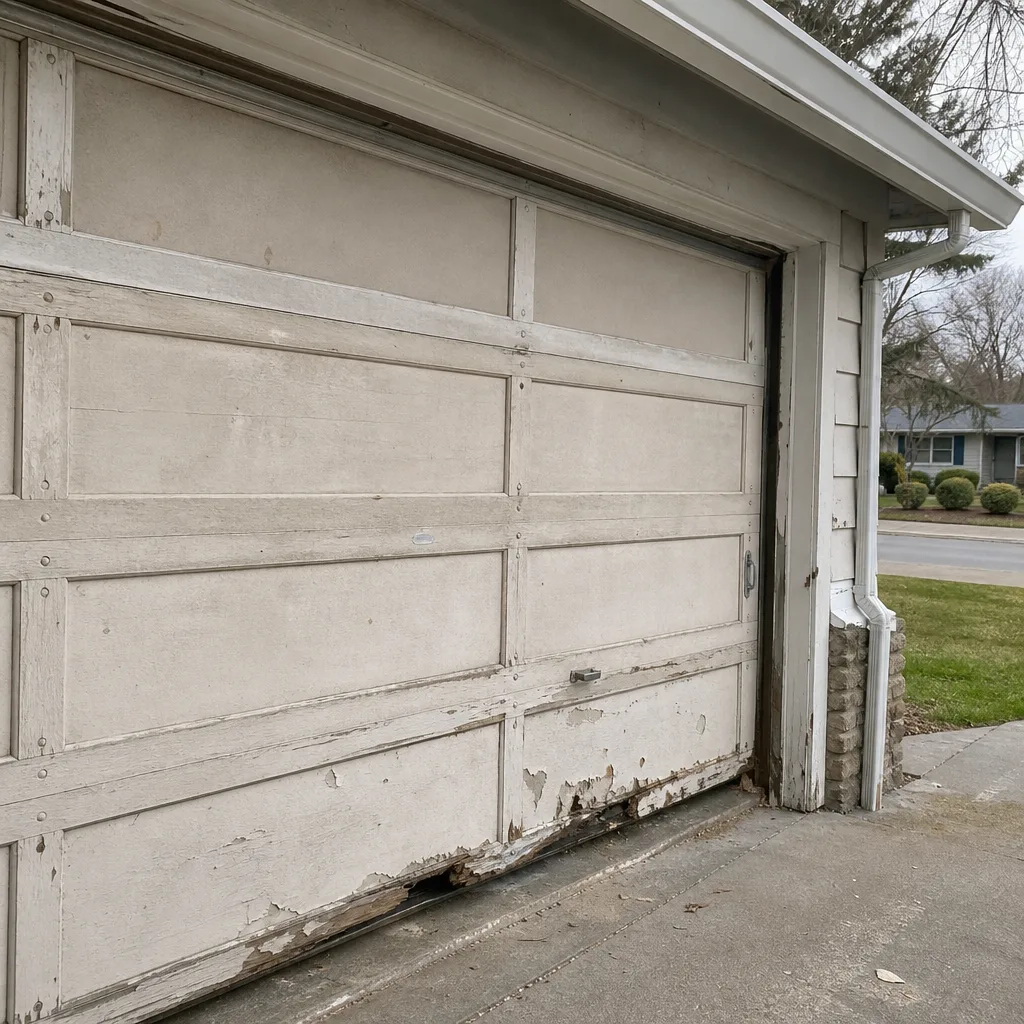 Before
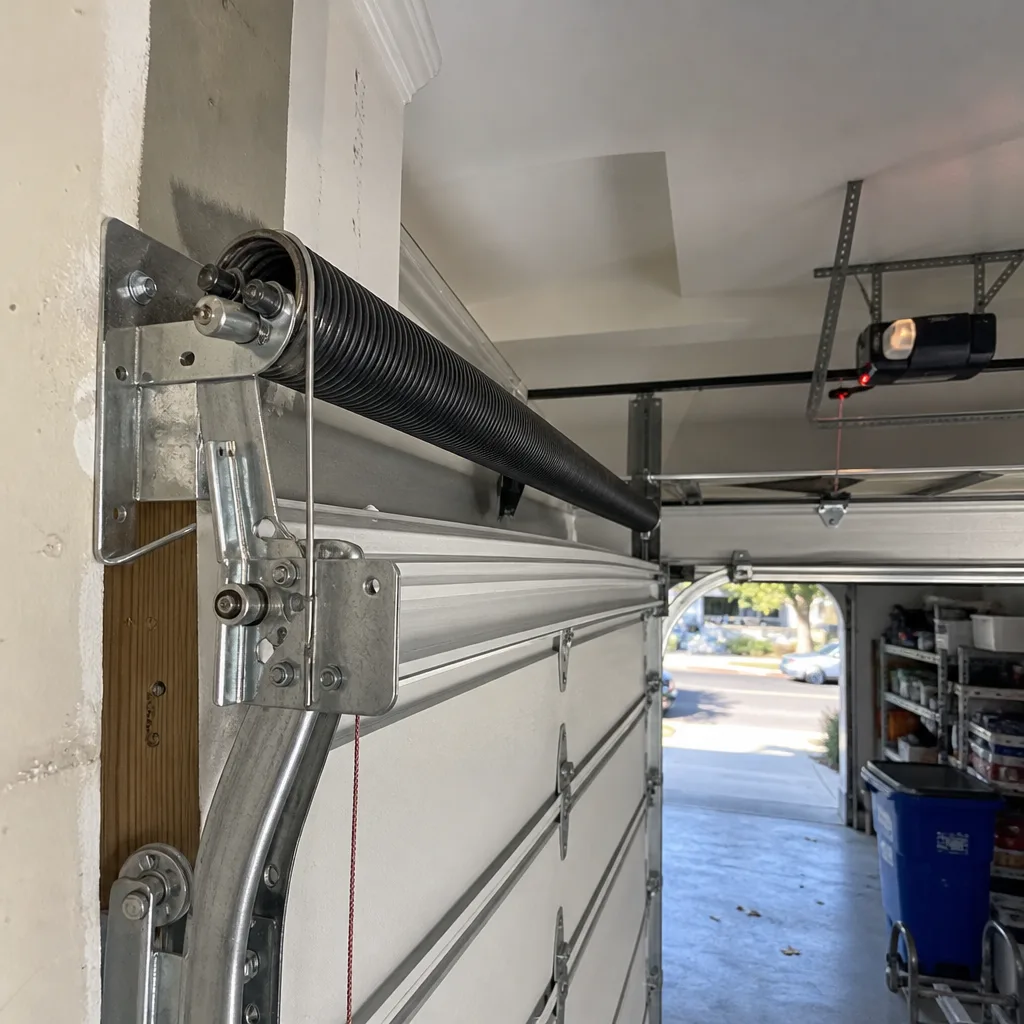 After
After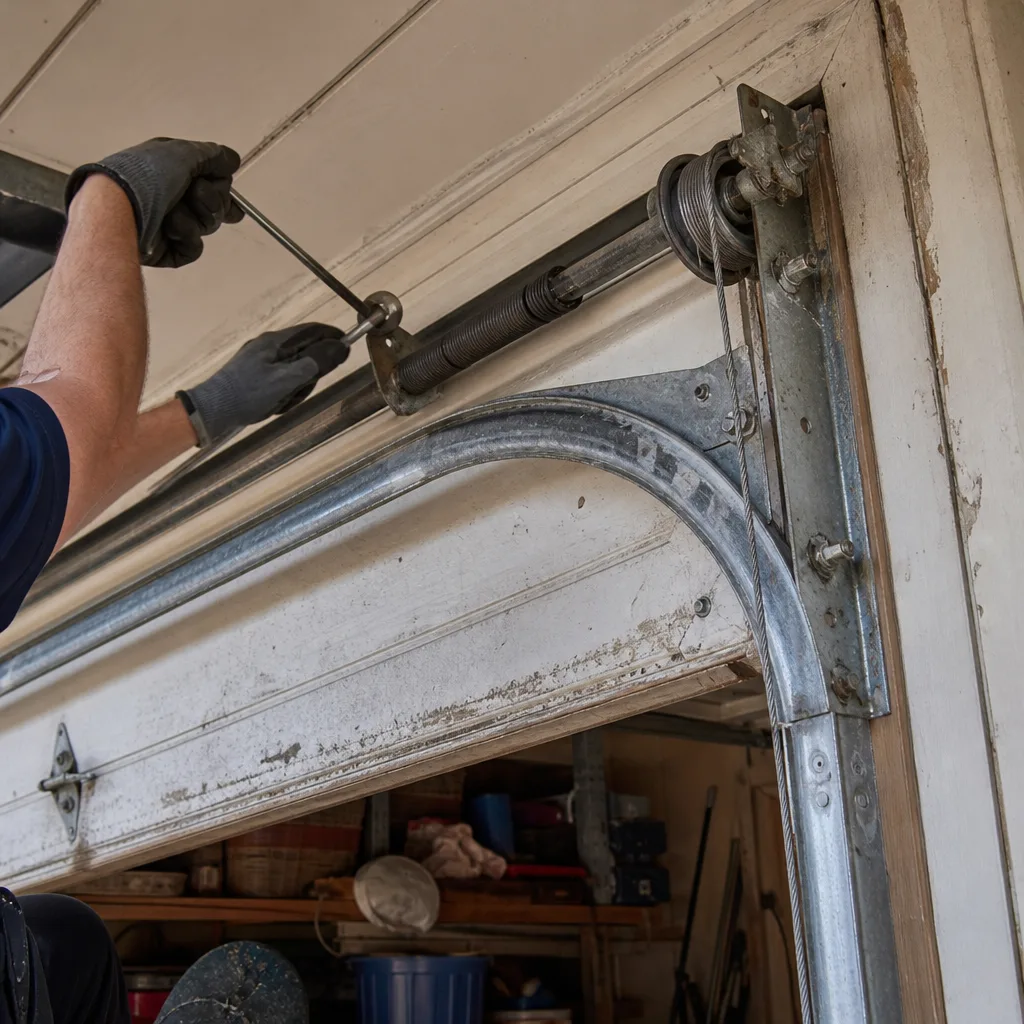 Before
 After
AfterWhen to Call a Professional
Call a professional when the garage door work touches the fire wall, the rough opening framing, or an older electrical circuit. Those are the three areas where a mistake in Sacramento costs real money and real delay: a failed inspection, a retroactive permit, a buyer’s credit demand. If the job involves installing a new door, replacing an opener in a pre-2005 home, or any situation where you are not certain whether the work is exempt, having a licensed contractor who knows the local amendment language is worth more than the labor savings of winging it. Fernbrook Garage Doors Sacramento offers free estimates in Sacramento, and our written price includes the permit fee as a named line item whenever a permit applies. Call (279) 236-2640 to talk through your specific project, and we will tell you honestly whether the city wants to be involved. If your door project is bigger than a permit question, see our Garage Door Installation in Sacramento page for the full breakdown of new door options and what a same-size replacement involves.
The Bottom Line
California’s garage door permit requirements are narrower than most Sacramento homeowners fear. Repairs, springs, panels, and most opener swaps are exempt. New installations, pre-2005 opener replacements, and fire-wall modifications are not. The permit costs less than a spring replacement, the inspection is quick, and the alternative, an unpermitted installation surfacing during a sale or a claim, is more expensive than the $85 and one visit it would have taken to do it right the first time. Know which category your job falls into before the work starts. If you are not sure, make the call or browse our more guides & resources.
For more on how we handle repairs in Sacramento, see Garage Door Repair in Sacramento, or Garage Door Spring Repair in Sacramento for the most common repair we perform. You can also visit the Fernbrook Garage Doors Sacramento home page to see our full range of services and the Cedarwell Care Promise spelled out.
Written by Jesse Calder, Owner at Fernbrook Garage Doors Sacramento, serving Sacramento since 2002.